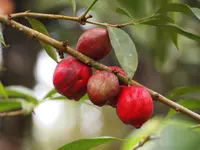
Snow bush Care (Breynia disticha)

Also known as: Ice Cream Bush, Snow-on-the-Mountain, Sweetpea bush, Leaf-flower, Foliage-Flower
Snow bush

About Snow bush

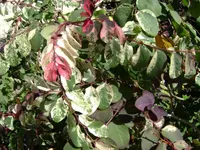
Snow bush, Breynia disticha, is a compact tropical shrub valued for its finely textured foliage splashed with white, pink, and green. It is often grown as an ornamental hedge, container specimen, or accent plant, especially in warm and frost-free climates.

In its native Pacific and Asian habitats, it grows as a small, branching shrub with many slender stems and dense leaves. The showy variegation depends on good light, so placement is important.

This plant prefers bright light, moderate moisture, and well-draining soil, which makes indoor culture a bit more demanding. Understanding how to care for Snow bush helps keep its foliage full and colorful over time.

Main Plant Requirements

Care Difficulty

Moderate Care

Light Preference

Partial Sun

Water Requirements

Moderate Water

Temperature Preference

Tropical / Frost Sensitive

Hardiness Zone

10–11

Soil Texture

Loamy, Sandy, Organic-rich

Soil pH

Acidic (5.5–6.5), Slightly acidic (6.5–7.0)

Soil Drainage

Moist but well-drained

Fertilization

Light (every 4–6 weeks)

Get Personalized Care Plan

Scan your plant to receive care tips personalized for your specific plant

Available on iOS and Android

How to Care for the Snow bush

Breynia disticha prefers bright, gentle light to maintain strong variegation without leaf scorch.

  • Outdoors, give 3–5 hours of soft morning sun with bright filtered light the rest of the day; avoid harsh western or midday sun that can burn Snow bush leaves.
  • Tolerates light partial shade, but dense shade reduces pink and white coloring and leads to leggy, sparse growth.
  • In hot summers, shift exposure to more dappled shade; in cooler seasons, allow a bit more direct morning sun to support vigor.

This shrub prefers evenly moist, well‑drained soil and reacts quickly to extremes in watering.

  • Water when the top 3–5 cm of soil feels dry, soaking the root zone thoroughly, then let excess drain away to prevent root rot.
  • In warm growing seasons, expect more frequent watering; in cooler months, allow a slightly deeper dry interval while avoiding bone‑dry soil.
  • Signs of overwatering include yellowing, mushy leaves and sour-smelling soil; crisp leaf edges and drooping stems indicate the need to water Breynia disticha.

This plant thrives in warm, frost-free conditions and dislikes sudden temperature swings.

  • Ideal growth occurs at 65–80°F (18–27°C); plants stay actively growing and hold variegation best in this range.
  • Tissue damage often starts below 40°F (4°C), and hard frost can kill stems, so protect or move plants before cold snaps.
  • Handles short heat spells up to about 90–95°F (32–35°C) if soil moisture is stable and foliage receives some shade during the hottest hours.

This species appreciates moderately high humidity and reacts quickly to very dry air.

  • Aim for 50–70% humidity; it tolerates brief dips lower but leaf edges may crisp in heated, dry rooms.
  • Watch for curling, browning tips, and leaf drop as signs that Snow bush is under humidity stress.
  • Increase humidity by grouping plants, using a small humidifier nearby, or placing the pot on a pebble tray above (not in) water.

Breynia disticha prefers airy, fast-draining soil that still retains moderate moisture.

  • Use a loose, loamy mix with plenty of organic matter and added drainage materials to prevent waterlogging.
  • Combine roughly 50% all-purpose potting mix with 25% perlite and 25% pine bark or coarse sand to improve aeration.
  • Keep pH slightly acidic to neutral, around 6.0–7.0, avoiding strongly alkaline or salty substrates that can stunt growth.
  • Avoid dense clay, compacted mixes, or pots that stay wet for more than 2–3 days, which encourage root rot.

This shrub is well suited to container growing when given stable, well-drained conditions.

  • Choose a pot 2–4 in wider than the root mass to allow lateral spread without creating a large, soggy soil reservoir.
  • Select a heavy ceramic or clay container in windy or exposed spots to counterbalance its branching, top-heavy form.
  • Raise the pot slightly on feet or spacers so drainage holes stay clear and excess water can exit quickly after watering.

Breynia disticha responds well to light, consistent feeding during the warm growing season for good foliage color.

  • Use a balanced liquid fertilizer (such as 10-10-10) at 1/2 strength every 4–6 weeks from spring through late summer.
  • Alternatively, apply a slow-release balanced fertilizer or a thin layer of compost on the soil surface in spring.
  • Skip feeding in winter or dormancy, when growth slows, to avoid weak, leggy shoots and salt buildup.
  • Water before and after fertilizing Snow bush to reduce root burn and help nutrients move into the root zone.

Pruning Breynia disticha maintains a dense, bushy form and renews colorful foliage.

  • Best time for structural pruning is late winter to early spring, before vigorous new growth begins.
  • Remove dead, diseased, or crossing stems first, cutting back to healthy wood with clean, sharp hand pruners.
  • Thin out crowded interior branches to improve light penetration and airflow, encouraging fuller growth.
  • Lightly tip back long shoots during the growing season to keep a compact shape and control height.

Container-grown plants benefit from occasional repotting to keep roots healthy and growth balanced.

  • Check for roots circling the pot, pushing out of drainage holes, or noticeably slowed growth as cues to repot.
  • Plan repotting or outdoor transplanting for spring, when active growth helps the plant recover from disturbance.
  • Move up only 1 pot size, using a well-draining mix, and keep the root ball as intact as possible.
  • Water thoroughly after planting, then keep soil evenly moist and shaded from harsh sun for 7–10 days to limit transplant shock.

Breynia disticha is most often propagated from semi-ripe stem cuttings.

  • Take 8–12 cm semi-ripe cuttings in late spring to midsummer from non-flowering shoots.
  • Remove lower leaves, dip the cut end in rooting hormone, and insert into a moist, free-draining propagation mix.
  • Maintain 70–80°F warmth, high humidity, and bright, indirect light until roots form in several weeks.
  • Seed propagation is possible but slower; provide warmth and consistently moist, not waterlogged, seed mix.

This species is frost-sensitive and needs thoughtful winter management in cooler climates.

  • In regions below USDA zone 10, grow Snow bush in containers so it can be moved indoors before frost.
  • Maintain indoor temperatures above 55°F with bright, indirect light and slightly reduced watering in winter.
  • For in-ground plants in marginal climates, add a 5–8 cm mulch layer over the root zone to moderate soil temperature.
  • Avoid cold drafts and sudden temperature swings, which can cause leaf drop and stress.

Care Tips

Color maintenance

Rotate the pot by 90° every 1–2 weeks so all sides receive similar light, which keeps foliage coloration even and prevents one-sided, leggy growth when growing Snow bush.

Dense hedge shaping

For bushier, screening growth outdoors, lightly shear the outer 2–3 cm of new shoots several times per growing season rather than doing one heavy prune, which encourages many short, colorful side branches.

Stem renewal

Every 1–2 years, selectively cut a few of the oldest, woody stems back to 10–15 cm above the soil to stimulate fresh, vigorous canes and maintain a compact framework.

Container root management

When roots circle densely at the pot edge, root-prune by slicing off about 1–2 cm of the outer root mat and replanting into fresh mix to prevent the plant from becoming pot-bound and declining.

Preventive pest checks

Inspect the undersides of leaves and young stems weekly for scale and spider mites, wiping with a damp cloth or using a gentle insecticidal soap at the first signs to avoid leaf drop and stunted growth.

Common Pests and Diseases

Spider mites

This pest thrives on Breynia foliage in warm, dry conditions and causes fine speckling, dull leaves, and webbing on stems and undersides of leaves. Severe infestations can lead to leaf drop and general decline.

Solution

Rinse the plant thoroughly with a strong but gentle stream of water, focusing on leaf undersides, then repeat every few days until activity subsides. Increase humidity around the plant, prune heavily infested shoots, and use insecticidal soap or horticultural oil labeled for spider mites, ensuring full coverage and repeating as directed.

Scale insects

These insects attach tightly to stems and leaf veins, appearing as small bumps that suck sap and excrete sticky honeydew. Symptoms include yellowing leaves, stunted new growth, and sooty mold developing on the honeydew.

Solution

Physically remove scales on light infestations using a cotton swab dipped in rubbing alcohol, then prune out heavily affected twigs. For broader outbreaks, wash the plant with a mild soapy solution, let it dry, and apply horticultural oil to thoroughly coat stems and leaf undersides, repeating treatments according to label directions.

Mealybugs

This pest appears as white, cottony clusters in leaf axils, along stems, and sometimes on roots, feeding on sap and weakening the plant. Symptoms include distorted new foliage, sticky honeydew, and eventual leaf drop if untreated.

Solution

Isolate the plant, then dab visible mealybugs with cotton swabs dipped in rubbing alcohol and gently wipe away residues. Follow with a thorough spray of insecticidal soap or neem oil, paying attention to hidden crevices, and repeat weekly until no new insects appear.

Leaf spot

This disease causes irregular brown, tan, or dark purple spots on leaves, sometimes with yellow halos, which can coalesce and cause premature leaf drop. Symptoms include a thinning canopy and reduced vigor, especially in dense, shaded plantings or in overly wet conditions.

Solution

Remove and discard affected leaves promptly and avoid overhead watering to keep foliage as dry as possible. Improve air circulation by thinning dense growth, water at the base in the morning, and if spotting continues, apply a copper-based or other labeled fungicide according to instructions.

Sooty mold

This disease is a secondary problem that develops as a black, powdery coating on leaves and stems where honeydew from sap-sucking insects accumulates. Symptoms include reduced photosynthesis, dull foliage, and a generally dirty appearance of the plant.

Solution

First control the underlying pests such as scale, mealybugs, or aphids to stop new honeydew production. Once pests are reduced, gently wash affected leaves and stems with lukewarm water and a mild soap solution, then rinse thoroughly so the plant can resume normal light absorption and growth.

Interesting Facts

Natural color variegation

Snow bush naturally develops irregular pink, white, and green variegation on its leaves, caused by differences in chlorophyll distribution between tissues rather than by viral infection or damage.

Shrub of Pacific islands

This species is native to islands of the southwest Pacific, including New Caledonia and Vanuatu, where it typically grows as a small shrub in coastal or lowland habitats.

Dioecious flowering shrub

Breynia disticha has separate male and female plants (it is dioecious), with small, inconspicuous flowers that rely mainly on small insects for pollination rather than showy petals to attract pollinators.

Botan icon

Did you know?

Breynia disticha was historically placed in the family Euphorbiaceae but is now classified in Phyllanthaceae after molecular studies showed that many former euphorb genera formed a distinct evolutionary lineage.

FAQs about Snow bush

Yellowing leaves usually result from inconsistent watering, root stress, or low light. Check for soggy or compacted soil, poor drainage, or extended shade. Correct these first, then trim worst-affected leaves to redirect energy to healthy growth.

Grow Healthy Plants with Botan Care

Keep your plants happy and healthy with plant identification, disease detection, and easy care guidance.

Botan plant care app — identify plants on mobile

Explore More Plants