Billbergia amoena Care

Billbergia amoena

About Billbergia amoena

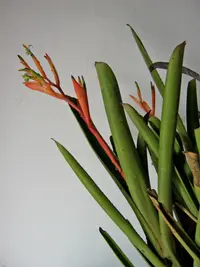
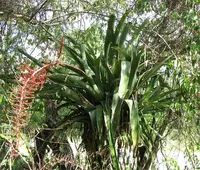
Billbergia amoena is an evergreen bromeliad that forms narrow, upright rosettes with arching, strap-shaped leaves and showy, tubular flowers. It is often grown as an ornamental container plant indoors or in frost-free outdoor gardens.

In its native range of Brazil, it grows as an epiphyte, anchoring to trees rather than rooting deeply in soil. This growth habit makes it relatively adaptable and suited to life in pots or mounted displays.

Billbergia amoena is considered moderately easy to maintain when basic needs are met. It prefers bright, indirect light, moderate moisture, and a free-draining mix, which helps guide how to care for Billbergia amoena.


Main Plant Requirements

Care Difficulty

Moderate Care

Light Preference

Partial Shade

Water Requirements

Moderate Water

Temperature Preference

Tropical / Frost Sensitive

Hardiness Zone

10–11

Soil Texture

Sandy, Loamy, Organic-rich

Soil pH

Acidic (5.5–6.5), Slightly acidic (6.5–7.0)

Soil Drainage

Well-drained

Fertilization

Light (every 4–6 weeks)

Get Personalized Care Plan

Scan your plant to receive care tips personalized for your specific plant

Available on iOS and Android

How to Care for the Billbergia amoena

This bromeliad prefers bright, indirect light with some gentle direct sun for best color and flowering.

  • Provide 3–5 hours of soft morning sun with filtered or dappled light the rest of the day; avoid strong afternoon sun in hot summers.
  • Tolerates partial shade, but foliage may lose color and flowering may reduce if grown in less than 2–3 hours of bright light.
  • In very bright climates, use 30–50% shade cloth or place under high tree canopy to prevent leaf scorch on Billbergia amoena.
This species prefers lightly moist conditions with excellent drainage and a filled central cup, not constantly wet soil.

  • Water when the top 2–4 cm of soil feel dry, letting excess drain away; never allow the pot or planting site to sit in standing water.
  • Keep the central cup (rosette) about half full with fresh water, flushing it every 1–2 weeks to prevent stagnation and mosquito larvae.
  • In cooler months reduce watering frequency, watching for soft, collapsing leaves from overwatering or crisp, curling tips from underwatering in Billbergia amoena.
This bromeliad grows best in warm, frost-free conditions typical of subtropical and mild temperate climates.

  • Aim for 65–80°F (18–27°C) for active growth, with slightly cooler nights promoting stronger color and flowering response.
  • Protect from cold below 40°F (4°C); brief dips to 35°F (2°C) may be tolerated, but freezing causes leaf damage and can kill the rosette.
  • Tolerates short heat waves up to about 95°F (35°C) if shaded from harsh midday sun and given good air movement to prevent heat stress.

This bromeliad prefers moderately humid air but adapts to typical indoor levels if not kept too dry.

  • Aim for 40–60% humidity to keep leaves firm and bloom color lasting longer.
  • It tolerates brief drier air, but prolonged <30% causes leaf tip browning and dull, curling foliage.
  • Increase humidity with a nearby pebble tray, grouping plants, or a room humidifier rather than misting the rosette.

Billbergia amoena grows best in a very loose, airy, fast-draining mix that mimics epiphytic conditions.

  • Use a blend such as 50% fine orchid bark, 25% perlite or pumice, and 25% light potting mix or coco coir.
  • Ensure water drains through in seconds; the mix should feel springy and never compact or muddy after watering.
  • Aim for slightly acidic to neutral pH around 5.5–7.0, which supports nutrient uptake without leaf burn.
  • Avoid heavy clay, peat-dense, or garden soil that stays wet, as this quickly leads to root and basal rot.

This species is well suited to container growing due to its compact, vase-forming rosettes.

  • Choose a squat, wider pot rather than a deep one, as the shallow root system focuses stability near the surface.
  • Use a heavier ceramic or clay pot if the rosette becomes top-heavy, to reduce tipping risk when the inflorescence appears.
  • Leave some open surface around the plant in the pot so offsets can form and anchor without crowding the central rosette.

This bromeliad benefits from light, targeted feeding during active growth but tolerates modest nutrient levels.

  • Use a balanced liquid fertilizer (around 10-10-10) at 1/4–1/2 strength, applied to the soil, not into the central cup.
  • Feed Billbergia amoena every 4–6 weeks in spring and summer while growth is active.
  • Stop or reduce feeding to 1 light dose in fall and avoid fertilizing in winter dormancy.
  • Alternatively, use a slow-release, low-dose fertilizer in spring, avoiding excess salts that can burn roots.

Pruning focuses on grooming and renewing growth rather than shaping this rosette-forming bromeliad.

  • After flowering, cut the spent flower stalk at the base with clean, sharp scissors or pruners.
  • Remove dead, damaged, or dried leaves whenever seen to improve air flow and reduce disease risk.
  • Thin out old, declining rosettes once offsets are established, which maintains form and encourages vigorous pups.
  • Disinfect tools before and after use to limit spread of fungi or bacteria.

Repotting is infrequent because this bromeliad prefers slightly tight conditions in its pot or clump.

  • Plan to repot every 3–4 years or when roots circle the container and growth slows noticeably.
  • Best timing is late spring to early summer, when Billbergia amoena is actively growing and recovers faster.
  • Use a small pot only 2–3 cm wider, filled with a very well-drained mix such as orchid bark with coarse perlite.
  • Water lightly after repotting, keep in bright, indirect light, and avoid heavy feeding for 2–3 weeks to limit stress.

Division of offsets is the most reliable method for increasing plants of this bromeliad at home.

  • Separate pups in late spring or early summer once they reach about 1/3–1/2 the size of the parent rosette.
  • Use a clean, sharp knife or pruners to cut pups with some roots attached, then let cuts dry for a few hours.
  • Plant divisions in a coarse, free-draining mix and keep slightly moist, not wet, in bright, indirect light.
  • Maintain warmth around 70–80°F and moderate humidity to support rooting and new leaf growth.

This bromeliad is frost-sensitive and needs protection in regions with cold winters.

  • Move container plants indoors before temperatures drop below 45°F and place in bright, indirect light.
  • Keep indoor temperatures around 60–75°F and avoid cold drafts from windows or doors.
  • Reduce watering in winter, letting the mix dry slightly, and keep the central cup only lightly filled or dry in cool rooms.
  • In mild climates, grow outdoors only in frost-free, sheltered spots with good drainage.

Care Tips

Offset management

Remove well-sized offsets with a clean, sharp knife when they are about one-third to one-half the height of the parent rosette, then pot them individually to maintain an attractive, uncluttered clump and encourage vigorous new growth.

Tank water hygiene

Rinse out the central leaf tank every 2–4 weeks with room-temperature water and then refill lightly, which helps prevent stagnation, salt buildup, and mosquito breeding in indoor conditions.

Pot weighting

Place a few clean stones or clay shards at the bottom of lightweight pots to reduce top-heaviness and keep the plant stable, especially when the rosette becomes tall and offsets form on one side.

Controlled outdoor time

Move plants outdoors only in mild, frost-free weather and place them under bright, dappled shade such as under a tree canopy, then bring them back indoors before temperatures drop below about 55°F to support healthy, compact growth.

Bloom cycle planning

After flowering, leave the fading rosette in place until offsets are well developed, then gradually remove the old rosette and repot the pups so that caring for Billbergia amoena follows the plant’s natural life cycle and keeps the display looking fresh.

Common Pests and Diseases

Mealybugs

This pest appears as small white cottony clusters tucked into leaf bases and the central tank of the rosette. Symptoms include sticky honeydew, sooty mold growth, and overall decline in vigor.

Solution

Isolate the plant, then flush the leaf axils and central cup with a strong but gentle stream of lukewarm water and allow excess to drain fully. Follow with spot treatment using cotton swabs dipped in isopropyl alcohol on visible insects, and repeat weekly until no new mealybugs appear; for larger infestations, use a systemic insecticide labeled for bromeliads and improve air circulation around the plant.

Scale insects

These insects form hard, dome-shaped brown or tan bumps on leaves and at the base of the rosette, often around the lower, older foliage. Symptoms include yellowing patches, poor growth, and sticky residue on leaves or nearby surfaces.

Solution

Physically scrape or wipe off scale with a soft cloth or fingernail, then thoroughly rinse the plant, including the tank and leaf undersides. Apply a horticultural oil or insecticidal soap labeled for bromeliads, repeating every 7–10 days for several cycles, and reduce excess fertilizer that can encourage soft, scale-prone growth while following suitable Billbergia amoena care instructions.

Tank bromeliad rot

This disease affects the central water-holding cup when water remains stagnant and contaminated, leading to soft, foul-smelling tissue and collapse of inner leaves. Symptoms include browning at the base of the rosette and a sour odor from the tank.

Solution

Immediately empty the central cup, trim away any mushy or discolored leaves with sterile tools, and allow the plant to dry slightly with good airflow before refilling the tank. Refill only with clean, fresh water, change it frequently, avoid letting water sit for long periods in cool or low-light conditions, and consider using a copper-free fungicide if rot continues to spread.

Leaf spot (fungal/bacterial)

This disease causes small water-soaked spots that enlarge into brown or tan lesions, often with a yellow halo, especially on older or shaded leaves. Symptoms include cosmetic damage, premature leaf death, and in severe cases a thinning rosette.

Solution

Remove and discard affected leaves, then keep foliage dry as much as possible and avoid overhead watering late in the day. Increase spacing and airflow around the plant, keep the tank water clean, and if spotting progresses, apply a copper-free fungicide labeled safe for bromeliads according to product directions.

Aphids

These insects cluster on emerging flower spikes and tender leaf bases, sucking sap and causing distortion, sticky honeydew, and attraction of ants. Symptoms include curled or misshapen new growth and reduced flower quality.

Solution

Rinse the plant thoroughly with a firm stream of water, focusing on flower stalks and concealed leaf bases, and repeat as needed. If aphids persist, use insecticidal soap or a neem-based product labeled for ornamental bromeliads, ensuring good coverage but avoiding application in intense direct sun to prevent leaf burn.

Interesting Facts

Tank-forming rain collector

This species forms a tight rosette that creates a central water tank, which in its native Atlantic Forest habitat can hold rainwater and organic debris that support small invertebrates and provide nutrients to the plant.

Color-shifting foliage

The leaves of this species often show stronger pink to red tones when exposed to higher light levels, an adaptation linked to protective pigments called anthocyanins that help reduce light stress.

Epiphytic lifestyle preference

In the wild, this bromeliad commonly grows as an epiphyte on tree branches in warm, humid forests in Brazil, anchoring its roots mainly for support rather than for absorbing large amounts of nutrients from soil.

Botan icon

Did you know?

The floral bracts and flowers of this species can remain showy for several weeks, providing an extended display that helps attract pollinators such as hummingbirds in its native range.

FAQs about Billbergia amoena

This species usually blooms once a year in late spring or summer. The colorful bracts can remain attractive for 4–8 weeks, while the individual flowers are short-lived, often lasting only a few days.

Grow Healthy Plants with Botan Care

Keep your plants happy and healthy with plant identification, disease detection, and easy care guidance.

Botan plant care app — identify plants on mobile

Explore More Plants