Root space planning
Use a very deep, wide container or plant in an open ground area away from paving and pipes, as the taproot and lateral roots expand quickly and need room to anchor the tall canopy safely.

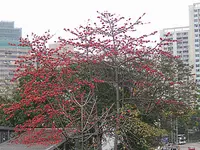
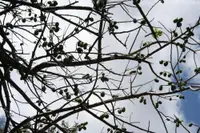
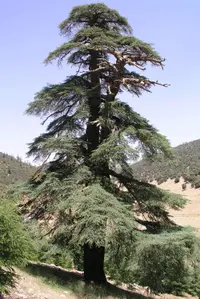
The red silk cottontree, Bombax ceiba, is a deciduous tropical tree known for its striking red flowers that appear on bare branches before new leaves. It forms a tall, upright canopy with a straight trunk, often armed with stout conical spines when young.
This species is native to South and Southeast Asia, where it grows in warm, seasonal climates and open forests. It is generally robust but needs space, strong light, and warmth, so it is not suited to small indoor settings.
For those learning how to care for red silk cottontree, it prefers full sun, a well-drained soil, and moderate moisture, tolerating short dry periods once established.

Care Difficulty
Moderate Care

Light Preference
Full Sun

Water Requirements
Moderate Water

Temperature Preference
Tropical / Frost Sensitive

Hardiness Zone
10–12

Soil Texture
Sandy, Loamy, Organic-rich

Soil pH
Acidic (5.5–6.5), Slightly acidic (6.5–7.0)

Soil Drainage
Well-drained

Fertilization
Minimal (feed rarely)
Scan your plant to receive care tips personalized for your specific plant
Available on iOS and Android
Bombax ceiba grows best as a sun-loving tree in warm climates.
Bombax ceiba prefers a clear wet–dry rhythm rather than constantly moist soil.
This deciduous tree thrives in warm, frost-free to near-frost-free conditions.
Bombax ceiba tolerates a wide humidity range but grows best with moderate ambient moisture.
Bombax ceiba prefers loose, deep, well-drained soil that stays slightly moist but never waterlogged.
This species can adapt to container growing when given a stable, well-drained setup.
Bombax ceiba responds well to light, consistent feeding during the warm growing season.
Pruning Bombax ceiba is mainly for safety, structure, and clearance rather than size control.
Bombax ceiba is usually grown in the ground, so focus on planting young trees correctly and minimizing transplant shock.
Bombax ceiba is most commonly propagated from seed, with cuttings used less often for specialized purposes.
Bombax ceiba is a frost-sensitive tropical tree that needs protection in cooler climates.

Plant Health Check
Not sure what's wrong with your plant? Check your plant's health inside the app.
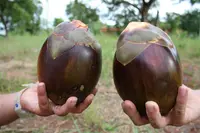
The woody fruits dry and split open to release silky fibers that help seeds travel long distances by wind, an adaptation that allows this tree to colonize open, disturbed habitats across tropical Asia.
This species is deciduous in the dry season, dropping its leaves before flowering to reduce water loss and make its bright red blossoms more visible to pollinators such as birds and bats.
The large red flowers produce abundant nectar and sturdy stamens, providing both energy-rich food and perching support for visiting birds that transfer pollen between trees.

Armed with stout conical thorns on its young trunk and branches, this tree gains mechanical protection against large herbivores, an adaptation especially useful in open savanna and roadside environments where browsing pressure can be high.
This species typically flowers in late winter to early spring on bare branches before new leaves emerge. The large, waxy red blooms are rich in nectar and highly visible, making the tree very attractive in the landscape and to wildlife.
Keep your plants happy and healthy with plant identification, disease detection, and easy care guidance.