rocketsalad Care (Eruca vesicaria)

Also known as: Garden Rocket, Salad Rocket, Arugula, Rocket, Gaden Eruca
rocketsalad

About rocketsalad

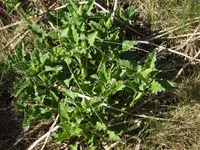
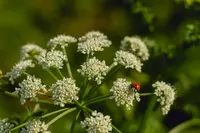
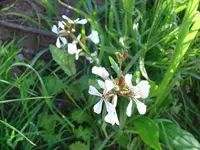
Rocketsalad, also called arugula, is a fast-growing leafy annual grown mainly for its peppery edible leaves. It belongs to the mustard family and is commonly used fresh in salads and as a garnish. Eruca vesicaria forms a loose rosette of deeply lobed green leaves and sends up slender flowering stems with small white to pale yellow flowers. It originates from the Mediterranean region but is now widely cultivated in home gardens and containers. The plant grows quickly, tolerates cool conditions, and is generally easy to manage if given sun, regular moisture, and well-drained soil, which makes it simple to learn how to care for rocketsalad.

Main Plant Requirements

Care Difficulty

Easy Care

Light Preference

Full Sun

Water Requirements

Regular Water

Temperature Preference

Cool Climate

Hardiness Zone

6–9

Soil Texture

Sandy, Loamy, Organic-rich

Soil pH

Acidic (5.5–6.5), Slightly acidic (6.5–7.0)

Soil Drainage

Moist but well-drained

Fertilization

Light (every 4–6 weeks)

Get Personalized Care Plan

Scan your plant to receive care tips personalized for your specific plant

Available on iOS and Android

How to Care for the rocketsalad

Eruca vesicaria produces the best leaf quality with cool conditions and consistent direct light.

  • Provide 4–6 hours of direct sun daily, ideally gentle morning sun and early afternoon light, especially in spring and fall.
  • In hot summers, use light afternoon shade or filtered sun to prevent leaf scorch and overly bitter flavor in rocketsalad.
  • Plants tolerate partial shade (around 3–4 hours sun) but yield smaller, looser leaves; growth slows markedly in dense shade.

Eruca vesicaria prefers steady soil moisture without waterlogging for tender, fast growth.

  • Water when the top 2–3 cm of soil feels dry; the soil below should feel slightly moist but never soggy.
  • Ensure well-drained, crumbly soil; standing water or a sour smell indicates overwatering and root stress, while limp, wilting leaves that recover after watering signal dryness.
  • In cooler seasons watering needs drop, but in hot, windy weather check soil daily and increase frequency as evaporation accelerates.

This cool-season leaf crop grows best in mild temperatures and degrades in strong heat.

  • Aim for 50–70°F (10–21°C) for vigorous growth and good flavor; leaves stay more tender within this range.
  • Plants tolerate light frosts down to about 25°F (-4°C), but hard freezes below this can damage or kill foliage and growing points.
  • Growth slows above 80°F (27°C); sustained heat over 85°F (29°C) encourages bolting and bitter leaves, so use shade or timing to cooler seasons.

Eruca vesicaria grows well in typical outdoor humidity and rarely needs special humidity control.

  • Aim for ambient humidity around 30–60%, which suits rocketsalad in most home gardens.
  • Plants tolerate relatively dry air but may wilt faster and bolt earlier in hot, arid conditions.
  • Humidity stress shows as limp leaves and rapid soil drying; use light mulching or closer spacing to slightly buffer moisture loss.

Eruca vesicaria prefers light, well‑structured soil that drains freely yet holds consistent moisture.

  • Use a loose loam or sandy loam with plenty of fine organic matter so roots expand easily and anchor firmly.
  • In raised beds or containers, mix roughly 60% garden soil, 30% compost, and 10% coarse sand or perlite for drainage.
  • Target a slightly acidic to neutral pH of 6.0–7.0, adjusting with garden lime or elemental sulfur only when a soil test suggests it.
  • Avoid compacted clay, waterlogged spots, or soil heavily enriched with fresh manure, which encourages lush but bitter foliage and root problems.

This species is well suited to container growing for repeated leafy harvests.

  • Choose a container at least 15–20 cm deep so the fibrous root system can spread without overheating near the surface.
  • Use a relatively wide pot to allow close spacing of several plants, which shades the substrate and slows evaporation.
  • Select a breathable material like unglazed terracotta if overwatering is a concern, but switch to plastic in hot, windy sites to reduce moisture loss.

Eruca vesicaria grows fast and benefits from light, consistent feeding in nutrient-poor soils.

  • Use a balanced liquid fertilizer (e.g., 10-10-10) at 1/2 strength for caring for rocketsalad in containers or poor garden beds.
  • Feed every 2–3 weeks during active growth in spring and early summer, especially with repeated harvests.
  • In rich soil, rely mainly on compost or well-rotted manure mixed in before sowing.
  • Stop feeding or greatly reduce applications in late fall and winter when growth slows or plants are ending their cycle.

Pruning Eruca vesicaria is simple and mainly supports continuous leaf production and hygiene.

  • During active growth, pinch or cut outer leaves at the base to encourage bushier, compact plants.
  • Remove yellowing, damaged, or pest-affected leaves promptly with clean scissors to limit disease spread.
  • In late season, cut back spent flowering stems if seed is not required, improving bed tidiness.
  • Harvest before plants become tall and spindly to maintain leaf quality and reduce lodging.

Eruca vesicaria is usually grown as a short-lived annual and is more often transplanted than repotted.

  • Transplant seedlings when they have 2–3 true leaves and roots just fill, but do not circle, a cell or pot.
  • Move plants outdoors in spring once soil is workable and cool, spacing them to avoid crowding and competition.
  • Use loose, well-drained soil and plant at the same depth as in the tray to minimize transplant shock.
  • Water thoroughly after transplanting, then keep soil evenly moist and shaded from strong midday sun for several days.

New Eruca vesicaria plants are almost always raised from seed rather than from cuttings or division.

  • Sow seeds in early spring or late summer directly in the garden or in trays for transplanting.
  • Provide cool to mild temperatures (50–70°F) and consistent moisture for rapid germination.
  • Cover seeds very lightly, about 0.5 cm deep, as they need some light but also soil contact.
  • Thin crowded seedlings to allow airflow and stronger growth, or transplant extra seedlings carefully.

This annual is generally grown in cool seasons and needs minimal winter care in mild climates.

  • In regions with light frost, plants often survive under a loose mulch layer that moderates soil temperature.
  • Hard freezes below about 25°F can kill foliage, so use row covers over low hoops for added protection.
  • Container plants in very cold areas can be moved into an unheated but frost-free greenhouse or cold frame.

Care Tips

Succession sowing

Sow a small patch every 10–14 days rather than all at once so you always have young, tender leaves instead of a single flush that bolts quickly.

Heat and bolt management

As weather warms, switch to partial afternoon shade and harvest more frequently, removing any flower stalks at the base to slow bolting and extend the picking window.

Targeted slug control

Place low, rough barriers such as copper tape or grit around beds or containers and hand-pick slugs at dusk, since young rocketsalad seedlings are especially vulnerable to chewing damage.

Dense cut-and-come-again

Sow seeds a bit closer than usual and harvest by shearing leaves 3–4 cm above the crown so plants regrow multiple times from the same row.

Cool-season container use

Use wide, shallow containers and move them to the coolest bright spot available, such as an east-facing patio or balcony, to make growing rocketsalad more reliable through mild winter and shoulder seasons.

Common Pests and Diseases

Flea beetles

This pest chews many small round holes in young leaves, often giving foliage a shot‑holed or sieve‑like appearance and slowing growth.

Solution

Use floating row covers to exclude adults from young plants, keep surrounding areas free of weed hosts, and apply a fine layer of horticultural diatomaceous earth or a spinosad-based product to foliage and soil surface if damage is heavy.

Cabbage aphids

These insects cluster on stems and leaf undersides, sucking sap and causing curled, distorted, and sticky leaves that may attract sooty mold.

Solution

Rinse colonies off with a firm stream of water, remove heavily infested leaves, encourage natural enemies like lady beetles, and, if needed, use insecticidal soap or a light horticultural oil, ensuring full coverage of leaf undersides.

Downy mildew

This disease causes yellow, pale, or angular spots on the upper leaf surface with fuzzy gray‑white growth on the undersides, especially in cool, humid conditions.

Solution

Improve airflow with wider spacing, water at soil level in the morning, remove and discard affected leaves, and avoid overhead irrigation; in recurrent cases, use an appropriate copper or phosphorous acid fungicide following label directions.

White rust

This disease produces small white blister‑like pustules on the undersides of leaves, often paired with yellow spots on the upper surface and general leaf distortion.

Solution

Remove and destroy infected leaves promptly, avoid overhead watering, rotate away from brassica crops for at least 2–3 years, and keep beds free of volunteer rocketsalad plants and brassica weeds that can harbor the pathogen.

Leaf spot complex

Symptoms include small dark, water‑soaked or tan spots that may enlarge and merge, reducing usable foliage and sometimes causing premature leaf drop.

Solution

Reduce leaf wetness by watering at the base, improve spacing and airflow, promptly remove heavily spotted leaves, and use a copper-based fungicide if spots spread rapidly, especially in warm, wet weather common when growing rocketsalad outdoors.

Interesting Facts

Pungency from glucosinolates

The sharp, peppery taste comes from glucosinolates, sulfur-containing compounds typical of the Brassicaceae, which are broken down by the enzyme myrosinase when the leaves are chewed or chopped.

Mediterranean winter annual

This species is naturally adapted to Mediterranean climates, where it grows mainly as a cool-season annual, germinating in autumn and completing its life cycle before summer heat and drought intensify.

Early leafy vegetable crop

Eruca vesicaria has been cultivated as a leafy vegetable since ancient times in parts of the Mediterranean and West Asia, and it remains an important traditional ingredient in regional salads and cooked dishes.

Botan icon

Did you know?

The species produces small, elongated siliques (a type of dry fruit typical of the mustard family) that split open along two seams to release seeds, a seed-dispersal strategy shared with other Brassicaceae but with pod shape and seed arrangement characteristic enough to help distinguish it from closely related wild rocket species.

FAQs about rocketsalad

The leaves, young stems, and flowers are edible and commonly eaten raw or lightly cooked. Older leaves taste stronger and more peppery. Harvest frequently to keep flavor mild and encourage new tender growth for salads and garnishes.

Grow Healthy Plants with Botan Care

Keep your plants happy and healthy with plant identification, disease detection, and easy care guidance.

Botan plant care app — identify plants on mobile

Explore More Plants