


5 min read · 11 Sept 2026
Top 5 Best Indoor Plants for Air Quality
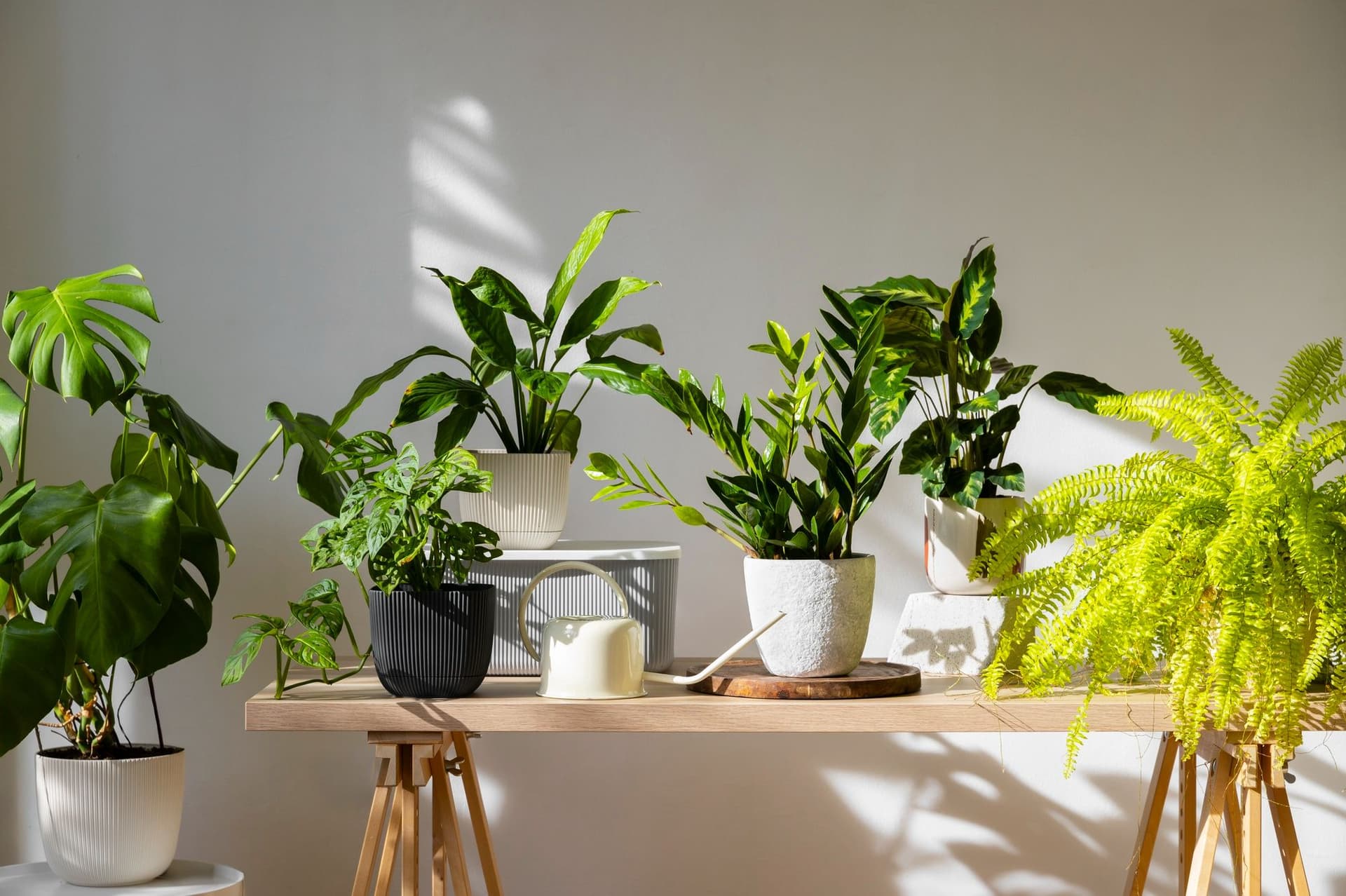
Indoor plants can make a room feel fresher thanks to their air-purifying qualities. Here are 5 of the most suitable choices for your routine and living space.
Plant Recommendations


Azalea grows best in partial shade, with bright filtered light and a few hours of gentle morning sun.

Light Preference
Partial Shade
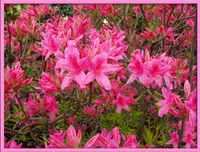
Deciduous azaleas in this group are commonly grown from woodland-edge genetics, where light is bright but broken by trees and shrubs. They may receive cooler morning sun, then protection from the hottest afternoon rays. In gardens, that pattern supports dense growth and flower bud formation without leaf scorch. The preferred light is partial shade with filtered light and gentle morning sun.
Rhododendron 'Rosy Lights' needs about 6–8 hours of bright filtered light daily, including 2–4 hours of gentle direct morning sun.
Strong afternoon sun is risky, especially in hot climates, and can scorch leaves or fade blooms.
Light shade is tolerated, but flowering is usually weaker if the site stays dim most of the day.
Eastern exposure or high, open shade usually gives the safest balance of direct sun and protection.
Excess light usually appears after harsh afternoon sun or sudden exposure.
Leaves may develop pale tan or whitish areas on the sun-facing side, especially after a heat spike.
Brown, dry marks can appear where direct sun hits the same leaves for several hours.
Blooms may lose color faster when Rhododendron 'Rosy Lights' receives hot direct sun during midday or afternoon.
Leaves may curl or look dull during intense sun, then improve when light softens.
Move the plant to partial shade or add overhead filtering. Make the change gradually if the plant has been in a brighter site for several weeks.
Too little light most often affects growth and flowering. Changes can be gradual.
Rhododendron 'Rosy Lights' may produce sparse blooms if it sits in deep shade during the bud-forming season.
Stems can become longer with wider spaces between leaves as growth reaches toward brighter areas.
New shoots may angle strongly toward the brightest gap instead of growing evenly.
New leaves may stay smaller and thinner when light remains weak through active growth.
Choose a brighter partial-shade site with morning sun or open filtered light. Avoid moving it straight from deep shade into hot afternoon sun.
If ideal partial shade is not available, choose morning sun over afternoon sun and give the plant bright open shade after noon.
Thin nearby overhead growth lightly if the site is too dim, keeping enough cover to break strong midday rays.
Avoid exposed south- or west-facing sites in hot areas, because long afternoon sun can scorch foliage and shorten bloom life.

Light Check
Not sure if your plant is getting enough light? Check its light needs inside the app
Scan your plant to receive care tips personalized for your specific plant
Azalea light requirements are best met with partial shade, bright filtered light, and a few hours of gentle morning sun. Deep shade can reduce bloom production.
Discover how to care for your plants with Botan.
5 min read · 11 Sept 2026
Indoor plants can make a room feel fresher thanks to their air-purifying qualities. Here are 5 of the most suitable choices for your routine and living space.

11 min read · 20 Jul 2026
Here, you’ll find the right fertilizer formula for vegetables in your garden. Learn how to adjust feeding correctly throughout the growing cycle, spot nutrient deficiencies by their symptoms, and keep your plants healthy and prolific.
7 min read · 24 Aug 2026
Learn how often to water indoor plants, key factors for proper watering, and how to adjust the care routine by plant type, season, pot size, light, and indoor conditions.