How to Get Rid of Crabgrass – 6 Effective Methods
Crabgrass can spread and take over bare or thin patches in just a few warm weeks. Here, you’ll find six proven methods to remove it, prevent it from returning, and keep your lawn dense enough to resist it long-term.

On this page
- What Is the Best Way to Get Rid of Crabgrass?
- 6 Methods to Kill Crabgrass in Lawn
- 1. Pre-Emergent Herbicide
- 2. Hand-Pulling
- 3. Selective Post-Emergent Herbicide
- 4. Boiling Water as a Spot Treatment
- 5. Vinegar as a Spot Treatment
- 6. Overseed and Thicken the Lawn
- How to Prevent Crabgrass From Coming Back
- Mow at the Right Height
- Water Deeply, Not Frequently
- Apply Pre-Emergent at the Right Time
- Repair Thin or Bare Areas
- Plants People Mistake for Crabgrass
Crabgrass spreads aggressively, crowds out healthy grass, and leaves bare patches when it dies, and that only gets worse the following year. The solution combines prevention, targeted removal, and long-term lawn care.
This guide covers all three categories, along with 6 removal methods. Read on to know exactly how to get rid of crabgrass in your situation and build the most effective strategy at any point in the season.
What Is the Best Way to Get Rid of Crabgrass?
Understanding how to kill crabgrass starts with one simple question: how far along is it? After you answer it, it’s time to choose the method.
If it hasn't sprouted yet, a pre-emergent herbicide applied in early spring is your strongest option. It can stop seeds from growing before they ever become a problem.
If crabgrass is already visible, pre-emergent won't help. You’ll need to choose between hand-pulling small patches, applying one of the post-emergent herbicides, or both.
If you want to prevent this problem in the future, you need a thick, healthy lawn that just doesn't give crabgrass the bare soil and sunlight to take hold. So, you’ll need to combine herbicides, pulling weeds, and good lawn care to stop it for good.

Identify Your Plant's Issues Early
Identify plant problems before they spread
6 Methods to Kill Crabgrass in Lawn
What's the best way to get rid of crabgrass? It depends on the season, scale, and whether you prefer a chemical or natural approach.
Method | Best For | How It Works |
Pre-Emergent Herbicide | Prevention before crabgrass sprouts | Creates a chemical barrier in the soil that kills seedlings as they germinate |
Hand-Pulling | Small, early-stage patches | Removes the entire plant including roots |
Selective Post-Emergent Herbicide | Active crabgrass across larger lawn areas | Targets crabgrass chemically while leaving most lawn grasses unharmed |
Boiling Water | Isolated spots away from desirable grass | Kills plant cells on contact through heat |
Vinegar | Isolated spots, chemical-free solution | Burns back foliage on contact |
Overseeding and Lawn Thickening | Long-term prevention and bare spot repair | Crowds out crabgrass by blocking the light |
These 6 methods cover every stage, from stopping it before it sprouts to rebuilding the lawn after it dies off, and you only need to choose the right one or the best combination for your situation.
1. Pre-Emergent Herbicide
Pre-emergent herbicides stop crabgrass before it appears. Apply in early spring before soil temperatures reach 55°F and water it in with ½ inch of irrigation within a few days. If you miss that window, the product will become useless. This herbicide has no effect on crabgrass that has already sprouted.
Note that pre-emergents prevent all seed germination, not just crabgrass. If you're overseeding, don't apply pre-emergent until the new grass has been mowed at least three times.
2. Hand-Pulling
The most direct way to remove crabgrass from lawn patches is by hand. However, this makes sense only if the infestation is small, and plants haven't set seed yet.
Pull when the soil is moist so the roots come out whole. Remember that any root piece left behind can regrow, so you need to try to get the full root system out. Dispose of pulled plants in the trash. Don't leave them on the lawn or compost them.
3. Selective Post-Emergent Herbicide
A selective post-emergent herbicide is what kills crabgrass that's already growing. It doesn’t harm the surrounding turf, but the product and timing both matter.
Quinclorac works best before 2 tillers or after 5. Fenoxaprop is more consistent and can be applied up to the 5-tiller stage. Mesotrione needs two applications two weeks apart and must be used before 4 tillers.
Before you apply any formula, check air temperature and turf compatibility. Don't apply above 85°F, and check the label. Some herbicides can damage Kentucky bluegrass, fine fescues, or other species.
4. Boiling Water as a Spot Treatment
Boiling water kills crabgrass on contact without any chemicals or products. But it has no selectivity at all, which is why it works for truly isolated spots like driveway cracks or path edges. It will kill any plant it touches, so don't use it within a lawn.
5. Vinegar as a Spot Treatment
Kitchen vinegar won't work. You need horticultural-grade vinegar at 20% acetic acid. However, even in this case, crabgrass control only reaches 28–45%. The thing is, it burns back foliage on contact but doesn't reach the roots, and mature plants can regrow. It works best on very young seedlings and, just like boiling water, damages any surrounding grass it touches.
6. Overseed and Thicken the Lawn
Getting rid of crabgrass for good is less about what you spray and more about what conditions your lawn provides. A dense lawn just leaves no bare soil and no light for crabgrass seeds to establish.
When crabgrass dies after the first frost, it leaves bare patches which you can overseed in early fall. Core aerate first to improve seed-to-soil contact, and choose fast-growing plants that establish quickly enough to close gaps before spring.
Not sure if that’s crabgrass?
Snap a photo on Botan and identify the weed in seconds
How to Prevent Crabgrass From Coming Back
Knowing how to get rid of crabgrass in lawn patches is one thing. Keeping it from returning is another.
Most lawns that struggle with it have the same problem: thin, stressed turf that gives crabgrass exactly what it needs to germinate and spread. The methods below address that at the root level.
Mow at the Right Height
Crabgrass seeds need light to germinate. Taller grass blocks it. Keep your lawn at 3-4 inches to shade the soil and make it hard for crabgrass seeds to take hold.
The method is proven to be effective. Research shows that raising mowing height from 1.5 to 2.5 inches in Kentucky bluegrass reduced crabgrass infestation from 80% to under 15%.
Water Deeply, Not Frequently
Shallow, frequent watering keeps grass roots close to the surface, which weakens the turf and thins it out over time.
Water deeply every 4-7 days instead. That’s an easy way to encourage roots to follow moisture further down and build a denser, more competitive canopy.
Water once or twice a week, enough to soak 6-8 inches into the soil. That will pull the roots deeper.
Apply Pre-Emergent at the Right Time
Pre-emergent herbicide is useful only if it's in the soil before crabgrass starts germinating. That window opens when soil temperatures in the upper inch consistently reach 55–58°F for 4-5 consecutive days in early to mid-spring, depending on your region.
Repair Thin or Bare Areas
Every bare patch in your lawn is an open invitation for crabgrass next spring. Don’t leave those areas exposed through winter — overseed them in early fall. Core aerate them first to improve seed-to-soil contact, especially in compacted spots.

Plants People Mistake for Crabgrass
Not every grass-like plant is crabgrass, and treating the wrong weed with the wrong method wastes time and money.
Here are a few common lookalikes that are worth knowing:
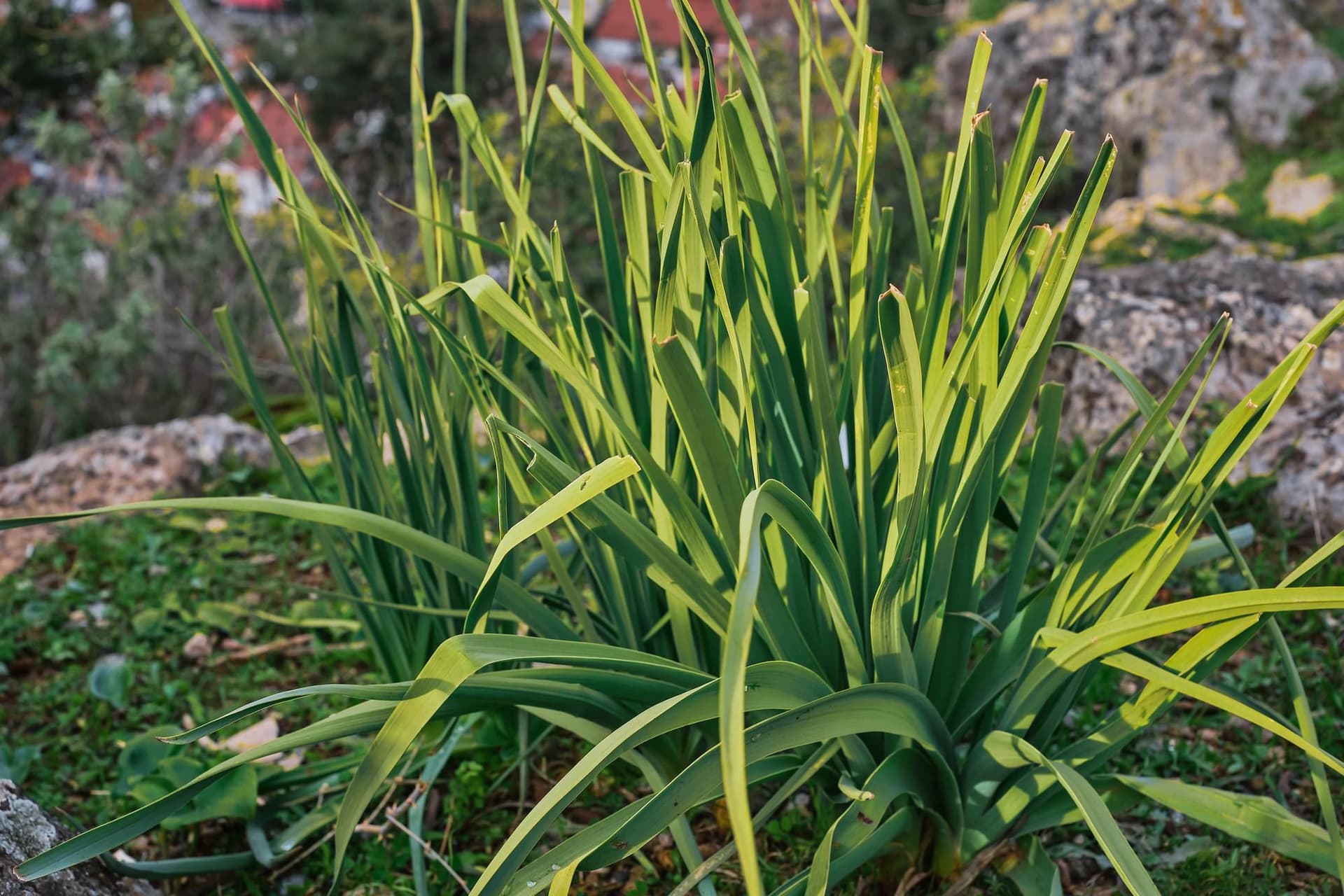
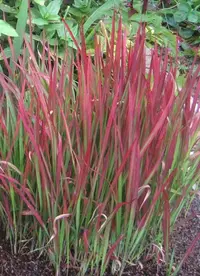
- Monkey grass grows in clumping tufts with dark, narrow leaves. It’s often used as a ground cover. It won't respond to crabgrass treatments at all.
- Creeping lilyturf spreads more aggressively than monkey grass and is frequently mistaken for a grassy weed, but it's a perennial ornamental.
- Nutgrass is a sedge, not a grass. It has a distinctive triangular stem and requires a completely different control approach.
If you're not certain what you're looking at, Botan can help you identify the plant from a photo before you decide how to treat it.
FAQ
Crabgrass tends to be lighter green than most lawn grasses. It also has wider leaf blades spreading from the center in a star-like pattern. If you're not certain, you can use Botan to identify grass from a photo and decide what to do next.
Alex Yar
Plant Expert
7+ years of experience studying plants, researching their diseases, and examining their characteristics.
Alex is a plant expert and writer with more than 7 years of experience studying plants, their growing requirements, and their responses to environmental conditions. His areas of expertise include plant care, disease recognition, stress diagnosis, pest-related problems, and the distinctive characteristics of different species.
Over the years, Alex has developed a strong practical understanding of how light, temperature, humidity, watering, soil conditions, and nutrition affect plant health. He combines careful observation with in-depth research to explain effective care and recovery methods.
Alex has extensive hands-on experience caring for houseplants. His articles translate complex botanical topics into clear guidance that helps you better understand your plants and recognize early warning signs.
Related Articles
8 min read · 1 Oct 2026
Lemon Tree Leaves Turning Yellow: Causes and How to Fix It
Yellow leaves are one of the most common lemon tree problems. This guide explains eight causes of lemon tree leaves turning yellow, from overwatering to root rot, with a fix for each.

5 min read · 16 Sept 2026
How to Keep Cats Away From Plants: 7 Safe and Effective Methods
Cats may dig in potting soil, chew leaves, or knock containers over. These seven methods combine safer placement, physical protection, a suitable chewing alternative, and play to help protect your plants without putting your cat at risk.
5 min read · 7 Sept 2026
Overwatering vs Underwatering: How to Tell the Difference
Overwatering and underwatering can look almost identical, so they're easy to confuse. In this guide, we'll cover the signs of each, simple ways to tell them apart, and how to treat your plant once you know what's wrong.
Explore Plants by Care Needs
Identify the plant and problem. Help your plant recover
Identify plant problems early, understand what's wrong, and get clear care guidance. Botan helps you turn guesswork into confident plant care