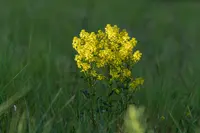
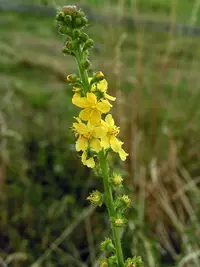
common threeseed mercury Care (Acalypha rhomboidea)

Also known as: common copperleaf, three-seeded mercury
common threeseed mercury

About common threeseed mercury

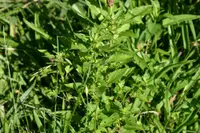
Common threeseed mercury (Acalypha rhomboidea) is a small, branching annual herb in the spurge family, often found as a native weed in fields and open woods. It has simple, oval to rhombic leaves and produces tiny, inconspicuous green flowers, with clusters of three-seeded fruits that give the plant its name.

This species is widespread across much of North America and thrives in disturbed soils, roadsides, gardens, and agricultural land. Its tolerance of varied soils and moisture levels makes it easy to establish, but it can spread quickly and behave as a weed.

For those who want to care for common threeseed mercury in a controlled setting, it generally prefers full sun to light shade and moderately moist, well-drained soil.

Main Plant Requirements

Care Difficulty

Easy Care

Light Preference

Partial Sun

Water Requirements

Moderate Water

Temperature Preference

Warm Climate

Hardiness Zone

4–9

Soil Texture

Sandy, Loamy, Silty

Soil pH

Acidic (5.5–6.5), Slightly acidic (6.5–7.0)

Soil Drainage

Well-drained

Fertilization

Minimal (feed rarely)

Get Personalized Care Plan

Scan your plant to receive care tips personalized for your specific plant

Available on iOS and Android

How to Care for the common threeseed mercury

This species grows best in open, but not harshly exposed, outdoor light conditions.

  • Provide 4–6 hours of direct morning sun with light or dappled shade in the afternoon, as strong midday sun can scorch leaves in exposed, dry sites.
  • Allow common threeseed mercury to grow in partial shade; 2–4 hours of direct sun plus bright shade supports steady, compact growth in most temperate climates.
  • In summer, monitor for leaf yellowing or crisp edges from excess sun, and in dense shade watch for lanky, pale stems indicating too little light.

This plant prefers consistently moist, well-drained soil rather than extremes of drought or saturation.

  • Water when the top 3–5 cm of soil feels dry, using rainfall as the main source and supplementing during prolonged dry periods, especially in sandy or fast-draining soils.
  • Ensure soil drains freely; standing water for more than 24 hours around Acalypha rhomboidea increases risk of root rot, wilting despite wet soil, and leaf drop from suffocation of roots.
  • Reduce supplemental watering in cool spring and fall; underwatering shows as limp, dull leaves and slow growth, while overwatering produces soft stems and yellowing lower foliage.

This species is a warm-season plant that grows most actively under mild to warm outdoor conditions.

  • Aim for 65–80°F (18–27°C) for strongest growth, typical of late spring to early fall in many temperate regions.
  • Protect plants when temperatures approach 32°F (0°C); light frost damages foliage, and hard freezes below 28°F (-2°C) can kill top growth or entire plants.
  • In hot spells above 90°F (32°C), growth may slow; combine soil moisture and partial afternoon shade to prevent heat stress and leaf scorch.

This species tolerates a wide humidity range but grows best with moderately moist air.

  • Aim for 40–60% humidity, similar to typical indoor levels in many homes.
  • It copes with drier air, but prolonged humidity below 30% can cause leaf edge browning and faster leaf drop.
  • Increase humidity with grouped pots on a pebble tray or by placing containers away from heating vents that dry the air.

This plant prefers moderately fertile, loose mineral soil that drains freely yet retains some moisture.

  • Use a loamy or sandy-loam mix with 20–30% compost to support steady growth of Acalypha rhomboidea.
  • Ensure rapid drainage by blending in coarse sand or perlite, especially when growing in heavier native soils.
  • Keep pH roughly neutral to slightly acidic (about 6.0–7.0), avoiding strongly acidic or alkaline sites that limit nutrient uptake.
  • Avoid compacted, waterlogged, or peat-heavy mixes; improve aeration by loosening soil to at least 15–20 cm depth before planting.

This species can be grown in containers, mainly for temporary cultivation or controlled spread.

  • Choose a pot depth that allows a broad, fibrous root system, roughly as deep as the plant is tall to prevent tipping.
  • Select a heavier material such as clay if containers are outdoors, as this stabilizes the plant against wind and reduces sudden drying.
  • Use a free-draining mix and elevate the pot slightly so drainage holes stay clear and excess water exits quickly.

This native annual usually requires no fertilizer in natural soil, but light feeding can support container-grown common threeseed mercury.

  • Use a balanced, dilute liquid fertilizer (around 10-10-10 NPK) at 1/4–1/2 strength for potted plants during active growth.
  • Apply every 4–6 weeks in spring and summer if growth appears weak or leaves pale.
  • Skip feeding in fall and winter, or when plants naturally decline at season’s end.
  • Compost incorporated into potting mix or soil at planting provides a gentle, slow nutrient supply.

Pruning needs for Acalypha rhomboidea are low and mainly relate to tidiness and plant health.

  • Trim dead, diseased, or storm-damaged stems at any time with clean, sharp scissors or hand pruners.
  • In early to mid-summer, thin crowded stems to improve airflow and reduce foliar disease risk.
  • Lightly shorten leggy growth to keep plants compact and prevent them from shading nearby seedlings.
  • Avoid heavy cutting late in the season, since this annual naturally declines after seed set.

This species is most often transplanted outdoors as a wild or restoration plant rather than maintained long term in containers.

  • Transplant seedlings in spring after frost, when they have several true leaves and soil is workable.
  • Move plants if growth is stunted or they are overcrowded, spacing individuals to reduce competition.
  • Water thoroughly before and after transplanting to limit root stress and encourage quick reestablishment.
  • If grown in a pot, shift to a slightly larger container only when roots circle the pot or drainage holes.

Propagation of this annual relies mainly on seed production and germination rather than vegetative methods.

  • Collect mature seeds in late summer to early fall once seed capsules dry and darken.
  • Sow seeds in spring on or just below the soil surface in trays or directly outdoors after frost risk passes.
  • Keep the seedbed evenly moist and in bright light until seedlings emerge and establish.
  • Maintain light, well-drained soil; avoid waterlogging, which reduces germination and young plant survival.

This annual species completes its life cycle in one growing season and generally needs no winter care.

  • After hard frost kills top growth, dead plants can be left as habitat or removed if self-seeding is not desired.
  • In restoration plantings, allow some seed heads to remain to support natural reseeding for the next season.

Care Tips

Weed Competition Control

Keep a 15–30 cm vegetation-free ring around plants by shallow hoeing or hand-pulling so common threeseed mercury does not have to compete with grasses and aggressive weeds for moisture and nutrients.

Targeted Seed Collection

If you want to limit self-seeding, inspect plants every few days in late summer and early fall and collect or cut seed-bearing branches before capsules fully mature and drop seed.

Habitat Buffering

Plant in a low-traffic zone and mark the area with flags or stakes so stems are not trampled during mowing, pet activity, or foot traffic, which quickly weakens or kills young plants.

Moisture Check by Feel

In sandy or fast-draining soils, check moisture by feeling the soil 5–8 cm down after hot, dry, or windy periods, and apply a slow, deep watering only when it feels dry at that depth to prevent stress from brief droughts.

Observation Log

Keep a simple seasonal log of emergence dates, flowering time, and any pest or disease symptoms to fine-tune how to take care of common threeseed mercury in your specific site over several years.

Common Pests and Diseases

Spider mites

This pest feeds on plant sap, causing fine speckling, dulling of foliage, and sometimes thin webbing on stems and leaf undersides. Symptoms include stressed, pale leaves on plants growing in hot, dry, disturbed sites such as crop fields and garden edges.

Solution

Rinse plants thoroughly with a strong but controlled stream of water, focusing on leaf undersides, and repeat every few days until activity declines. In larger plantings, encourage natural predators by limiting broad-spectrum insecticides, and in small garden patches use insecticidal soap or horticultural oil labeled for mites, applied in the early morning or evening to reduce leaf burn.

Leaf miners

These insects create narrow, winding tunnels inside the leaves, which appear as pale or whitish trails. Symptoms include reduced photosynthetic area and premature yellowing and drop of heavily mined leaves.

Solution

Remove and destroy mined leaves as soon as damage is seen to reduce larval numbers and prevent adult emergence. In mixed plantings or field edges, keep nearby weeds trimmed and use floating row covers on high-value crops if leaf miner pressure is high, reserving selective, systemic insecticides only for severe, recurring infestations.

Powdery mildew

This disease shows as white to grayish, powdery patches on upper leaf surfaces, especially in dense stands and in late summer. Symptoms include distorted, yellowing leaves and reduced vigor where infection is heavy.

Solution

Thin dense patches or mow around infested areas to improve air movement and reduce humidity around foliage. Remove and dispose of heavily infected plant material, avoid overhead irrigation where the plant is intentionally grown, and if necessary use a sulfur or potassium bicarbonate fungicide according to the label on nearby susceptible crops rather than on wild stands.

Rust

This disease causes small yellow spots on upper leaf surfaces and orange to brown powdery pustules on the undersides. Symptoms include early leaf drop and weakened plants along moist field margins and shaded hedgerows.

Solution

Remove and discard heavily infected leaves and plant debris to reduce spore carryover. Promote good airflow by avoiding overcrowded plantings, limit overhead watering when common threeseed mercury is growing among ornamentals or vegetables, and use a labeled rust fungicide only if valuable nearby plants are repeatedly affected.

Interesting Facts

North American specialist

This species is native to North America and is especially common in disturbed habitats such as crop fields, gardens, and roadsides, where it behaves as an early colonizer after soil is disturbed.

Distinctive three-seeded fruits

Its small capsules typically contain three seeds, which is the origin of the common name common threeseed mercury and helps distinguish it from some other Acalypha species that have different fruit structures.

Wind‑pollinated flowers

The plant produces inconspicuous greenish flowers without petals and relies mainly on wind pollination rather than insects, a trait that is relatively uncommon among many weedy herbaceous plants in the same habitats.

FAQs about common threeseed mercury

This species self-seeds freely and can form dense patches in disturbed soil, vegetable beds, and field margins. Regular hand-weeding before seed set and mulching exposed soil help limit spread and reduce its weed potential in gardens.

Grow Healthy Plants with Botan Care

Keep your plants happy and healthy with plant identification, disease detection, and easy care guidance.

Botan plant care app — identify plants on mobile

Explore More Plants