white clover Care (Trifolium repens)

Also known as: ladino clover, dutch clover, ladino, white Dutch clover, Бела детелина, New Zealand Clover
white clover

About white clover

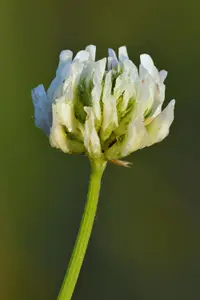
White clover, Trifolium repens, is a low-growing perennial legume that often forms dense, creeping mats in lawns, meadows, and pastures. Its three-part leaves and small white flower heads give it a distinctive, easily recognized look.

This species is native to Europe and western Asia but is now naturalized across North America and many other temperate regions. It spreads by above-ground stems called stolons, which root as they creep.

Trifolium repens is generally easy to grow because it tolerates mowing, recovers from light foot traffic, and fixes nitrogen in the soil, which supports its own growth. To care for white clover successfully, provide sun to light shade, consistent but not waterlogged moisture, and moderately fertile, well-drained soil.

Main Plant Requirements

Care Difficulty

Easy Care

Light Preference

Full Sun

Water Requirements

Moderate Water

Temperature Preference

Cold Hardy

Hardiness Zone

3–10

Soil Texture

Sandy, Loamy, Clay

Soil pH

Acidic (5.5–6.5), Slightly acidic (6.5–7.0)

Soil Drainage

Moist but well-drained

Fertilization

Minimal (feed rarely)

Get Personalized Care Plan

Scan your plant to receive care tips personalized for your specific plant

Available on iOS and Android

How to Care for the white clover

Trifolium repens prefers bright conditions with some protection from intense midday sun.

  • Aim for 4–6 hours of direct morning sun with light afternoon shade, especially in warmer climates.
  • Plant in an open site with only partial shade; dense shade reduces flowering and produces weaker, elongated growth.
  • In summer, protect white clover from prolonged harsh afternoon sun to prevent leaf scorch, while in winter maximize exposure to low-angle sunlight.

Watering for Trifolium repens focuses on steady moisture without prolonged saturation.

  • Irrigate when the top 2–3 cm of soil feels dry, aiming for consistently moist but not soggy soil.
  • Use well-drained soil or turf; standing water or heavy clay leads to yellowing leaves, root rot, and thinning patches.
  • In hot, dry weather, increase frequency and watch for wilting or dull, bluish leaves, while in cool, rainy periods reduce or skip watering to avoid oversaturation.

This species is a cool-season perennial that tolerates a wide temperature range but grows best in mild conditions.

  • Optimal growth occurs around 60–75°F (16–24°C), with strong vegetative growth in cool spring and fall weather.
  • Plants generally survive down to about 5–10°F (-15 to -12°C) under snow cover, though exposed foliage may burn or die back with hard frost.
  • Growth slows above 85°F (29°C); extended heat and drought can cause leaf scorch and thinning, so combine moderate irrigation with some afternoon shade in hot summers.

Humidity is usually not critical for Trifolium repens grown outdoors.

Trifolium repens prefers slightly moist, well-structured soil that allows steady root oxygenation.

  • Use a loamy or sandy-loam substrate with moderate organic matter from compost or leaf mold.
  • Aim for a slightly acidic to neutral pH around 6.0–7.0 for best nutrient availability.
  • Ensure free drainage by avoiding heavy, compacted clay; incorporate coarse sand or fine gravel if needed.
  • Avoid waterlogged or crusted surfaces that limit aeration, which encourages root rot and weak growth.

This species adapts reasonably well to container growing when moisture and spread are controlled.

  • Choose a wide, shallow container that suits its creeping habit and allows stolons to spread without crowding.
  • Select a heavier pot material, such as ceramic, to reduce tipping as the mat of foliage thickens and spreads.
  • Fill the container close to the rim so runners can easily trail or root at the edges rather than shading the plant center.

Trifolium repens usually needs little feeding, especially in fertile soil or lawn settings.

  • If growth is weak, apply a light dressing of mature compost or a low-rate balanced NPK fertilizer in early spring.
  • Use a dilute balanced liquid fertilizer at 1/4–1/2 strength every 4–6 weeks during the main growing season, only if soil is poor.
  • Avoid high-nitrogen products, which reduce flowering and can cause excessively lush, floppy foliage.
  • Stop feeding in late summer to fall so plants can harden off before winter dormancy.

Pruning Trifolium repens is mainly used to control spread and maintain a dense, even mat.

  • Best time for trimming is late spring to early summer, with light touch-ups through the growing season as needed.
  • Shear back overgrown or leggy stems and remove dead, diseased, or damaged patches to encourage fresh growth.
  • Cut crowded areas to thin the stand, improving air flow and reducing foliar disease risk.
  • Use clean scissors or shears set high enough to avoid scalping crowns, leaving foliage to recover quickly.

Trifolium repens is usually grown in the ground, but container plants or patches can be transplanted when crowded or declining.

  • Plan transplanting for early spring or early fall, when temperatures are mild and soil stays evenly moist.
  • Look for signs such as roots circling pot holes, soil drying very fast, or stunted growth as cues for moving plants.
  • Lift clumps with a trowel, keeping a generous root ball intact, and replant at the same depth in loose, well-drained soil.
  • Water thoroughly after transplanting, then keep soil slightly moist for 1–2 weeks to limit root stress and improve establishment.

Trifolium repens spreads efficiently and is commonly propagated by runners and seed.

  • For how to take care of white clover when starting new patches, choose early spring or early fall for most methods.
  • Pin down rooted runners into prepared soil, then separate from the parent once new roots and leaves are established.
  • Sow seed onto raked, firm soil, press in lightly without deep covering, and keep evenly moist until germination.
  • Divide dense clumps by cutting into small sections with roots attached, then replant immediately and water in well.

This species is generally cold hardy and needs minimal winter care in most temperate climates.

  • Established plants tolerate light to moderate frost, with foliage often thinning but crowns surviving.
  • In very cold areas, a thin mulch layer around the root zone helps moderate freeze–thaw cycles without smothering plants.
  • For containers, move pots to a sheltered, unheated area and keep soil just barely moist to prevent desiccation.

Care Tips

Mowing Height Management

Maintain a mowing height of 7–10 cm when mixed into a lawn so the clover can photosynthesize well while limiting weed competition and reducing stress from very short cuts.

Targeted Overseeding

Overseed bare or thin patches in early spring or late summer by lightly raking the soil, broadcasting seed, and then pressing it in with a board or roller to ensure good seed-to-soil contact without deep burial.

Rhizobium Inoculation

Before sowing into previously unfertilized or non-legume areas, dust the seed with the appropriate Rhizobium inoculant so the plants form effective nitrogen-fixing nodules and establish more vigorously.

Controlled Traffic Use

Use stepping stones, mulch paths, or designated walk routes through dense patches to reduce repeated foot traffic directly on plants, which helps keep leaf cover even and prevents soil compaction.

Seasonal Nitrogen Strategy

In mixed grass–clover turf, avoid high-nitrogen fertilizers and, if extra nitrogen is needed for grass, apply only light doses in cool seasons to support the grass without suppressing the clover, which improves long-term stability when growing white clover.

Common Pests and Diseases

Clover root weevil

This pest attacks roots and nodules, causing stunted growth, yellowing foliage, and thinning patches in clover stands.

Solution

Monitor plants by gently lifting a few and checking roots for feeding damage and small white larvae; reduce stress with proper watering and avoid overgrazing or frequent close mowing, and in severe cases use a targeted soil-applied insecticide or beneficial nematodes according to local extension guidance for Trifolium repens care.

Clover aphids

These insects suck sap from leaves and stems, leading to curling, distortion, and sticky honeydew that can attract sooty mold.

Solution

Control colonies by spraying plants with a firm stream of water, encouraging natural predators such as lady beetles, and, if needed, using insecticidal soap or a light horticultural oil, making sure to cover both upper and lower leaf surfaces.

Powdery mildew

This disease produces white, powdery patches on leaves and stems, which can reduce photosynthesis and weaken plants under humid, crowded conditions.

Solution

Improve air movement by reducing overcrowding, avoid overhead watering in late day, remove heavily infected foliage, and apply a labeled fungicide such as sulfur or potassium bicarbonate if the disease continues to spread.

Clover rot (Sclerotinia)

This disease causes water-soaked lesions at the crown, collapse of stems, and a cottony white fungal growth with small black sclerotia on decaying tissue.

Solution

Promptly remove and destroy infected plants and nearby plant debris, avoid prolonged leaf wetness and excessive thatch, improve drainage, and rotate away from susceptible broadleaf legumes for several years in affected areas.

Clover cyst nematode

This pest lives in the soil and attacks roots, leading to poor nodulation, pale foliage, and weak, patchy growth despite adequate nutrients.

Solution

Confirm presence with a soil or root nematode test, then manage by rotating with non-host grasses, maintaining good soil organic matter, avoiding unnecessary soil disturbance, and using clean, certified seed to limit spread when you grow Trifolium repens.

Interesting Facts

Nitrogen-fixing specialist

This species hosts Rhizobium bacteria in root nodules that capture atmospheric nitrogen and convert it into forms usable by plants, which helps enrich poor soils and support neighboring grasses in lawns and pastures.

Creeping stolon network

It spreads horizontally via above-ground stems called stolons that root at the nodes, forming dense, interconnected patches that can quickly fill gaps in turf and help prevent soil erosion.

High nectar production

The white, often pink-tinged flower heads produce abundant nectar and are an important food source for honey bees and bumble bees in many temperate regions.

Botan icon

Did you know?

Genetic studies have shown that this species often forms natural polyploid populations, meaning some plants carry extra sets of chromosomes, which can increase genetic diversity and help the species adapt to different climates and urban environments.

FAQs about white clover

This species spreads steadily through creeping stems and self-seeding. In lawns or open beds it can form dense mats over time, outcompeting weaker plants. Mowing and physical edging help contain its spread where needed.

Grow Healthy Plants with Botan Care

Keep your plants happy and healthy with plant identification, disease detection, and easy care guidance.


Botan plant care app — identify plants on mobile

Explore More Plants