common motherwort Care (Leonurus cardiaca)

Also known as: Motherwort
common motherwort

About common motherwort

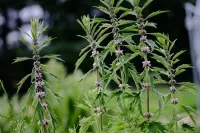
Common motherwort, Leonurus cardiaca, is a hardy herbaceous perennial in the mint family, traditionally grown in herb gardens and naturalized areas. It forms upright, branching clumps with square stems, deeply lobed leaves, and small pink to lilac flowers clustered along the stems in summer. The plant is native to parts of Europe and Asia but has become widely naturalized in North America, especially in disturbed soils and field edges. It typically prefers full sun to light shade, moderately moist but well-drained soil, and tolerates a range of conditions, which makes it relatively easy to establish. Once its basic needs are understood, it is straightforward to care for common motherwort in temperate gardens.

Main Plant Requirements

Care Difficulty

Easy Care

Light Preference

Full Sun

Water Requirements

Moderate Water

Temperature Preference

Cold Hardy

Hardiness Zone

3–8

Soil Texture

Loamy, Sandy, Clay

Soil pH

Slightly acidic (6.5–7.0), Slightly alkaline (7.0–7.5)

Soil Drainage

Well-drained

Fertilization

Minimal (feed rarely)

Get Personalized Care Plan

Scan your plant to receive care tips personalized for your specific plant

Available on iOS and Android

How to Care for the common motherwort

This hardy perennial prefers consistent sun to support dense growth and flowering.

  • Provide 6–8 hours of direct sun daily; morning sun with light afternoon shade suits common motherwort in hotter regions.
  • Plant in an open site; it tolerates light partial shade but stems may elongate and flowering can decrease with less than 4–5 hours of sun.
  • In hot summers, protect from intense late-afternoon sun to reduce leaf scorch and moisture stress, especially in dry, exposed sites.

This species prefers moderately moist but not saturated soil once established outdoors.

  • Allow the top 3–5 cm of soil to dry between waterings; soil should feel slightly dry at the surface but still faintly cool below.
  • Increase watering during the first growing season and in prolonged droughts, focusing on slow, deep soaking rather than frequent light splashes.
  • Ensure free-draining soil; yellowing, soft stems suggest overwatering, while limp, crisp leaves and slowed growth indicate underwatering.

This cold-hardy perennial tolerates a wide temperature range once established outdoors.

  • Optimal growth occurs around 65–80°F (18–27°C) during the active season, with strongest vegetative growth in mild spring conditions.
  • Leonurus cardiaca survives winter down to about -20°F (-29°C) in the ground, dying back above soil but resprouting from roots in spring.
  • Mature plants handle summer heat up to about 90°F (32°C) if soil moisture is maintained, but prolonged hotter periods can reduce flowering and seed set.

Leonurus cardiaca tolerates a wide humidity range and usually does not need special humidity management.

  • Performs well in 30–60% humidity typical of most homes and outdoor temperate climates.
  • Handles relatively dry air without stress if soil moisture is consistent and roots do not dry completely.
  • Leaves may brown at edges or curl slightly under prolonged very dry air combined with underwatering, so adjust watering first rather than adding humidity trays for common motherwort.

Leonurus cardiaca prefers moderately fertile, well-drained mineral soil rather than heavy, waterlogged substrates.

  • Use a loamy or sandy loam mix with moderate organic matter, such as 2 parts garden loam, 1 part compost, 1 part coarse sand or perlite.
  • Aim for a slightly acidic to neutral pH around 6.0–7.2, which supports nutrient availability and root health.
  • Ensure rapid drainage; avoid compacted clay and sites where water pools after rain, which encourage root rot.
  • Improve aeration in dense soils by working in coarse sand, fine gravel, or perlite through at least the top 15–20 cm before planting Leonurus cardiaca.

This species adapts reasonably well to container growing when given enough root space and sharp drainage.

  • Choose a deep, heavy pot to anchor the tall stems and prevent the container from tipping in wind.
  • Select a gritty, free-draining substrate in pots, increasing sand or perlite content compared with in-ground plantings to prevent soggy roots.
  • Raise the container on feet or bricks so drainage holes clear the ground and excess water exits quickly during rain or heavy watering.

Leonurus cardiaca grows well in average soil and usually needs only light feeding in cultivation.

  • Use a balanced, diluted liquid fertilizer (for example 10-10-10 at 1/2 strength) for potted plants in poor soil.
  • Feed every 4–6 weeks during the main growing season if growth appears weak or foliage pale.
  • In winter or dormancy, stop feeding or reduce to at most once for the entire period.
  • Compost or a thin layer of well-rotted organic matter each spring usually supplies enough nutrients for common motherwort.

Pruning helps manage Leonurus cardiaca size, encourage bushier growth, and control self-seeding.

  • Cut back spent flowering stems in late summer to reduce reseeding and keep clumps compact.
  • Remove dead, damaged, or crossing stems at ground level using clean, sharp hand pruners or shears.
  • Lightly trim the plant by up to one-third after flowering to encourage fresh basal shoots.
  • In late winter or very early spring, clear away old woody stems to make space for new growth.

This species is more often grown in garden soil than in containers, so focus on thoughtful transplanting.

  • Transplant young plants in early spring or early fall when temperatures are mild and soil is workable.
  • Move clumps if growth is stunted, flowering declines, or stems become overcrowded in one patch.
  • Lift the plant with a generous soil ball, disturb roots as little as possible, and replant at the same depth.
  • Water thoroughly after transplanting, then keep soil evenly moist for 1–2 weeks to limit root stress.

Leonurus cardiaca is commonly propagated by seed and by division of established clumps.

  • Sow seeds outdoors in fall or very early spring; natural cold exposure improves germination.
  • For indoor starts, cold-stratify seed in moist medium at 35–40°F for 4–6 weeks before sowing.
  • Divide mature clumps in early spring, separating sections with healthy roots and several shoots.
  • Plant divisions into prepared soil, water well, and keep evenly moist until new top growth is clear.

Leonurus cardiaca is a hardy perennial that usually needs minimal winter care in temperate climates.

  • In USDA zones about 4–9, roots typically survive normal winter frosts without extra protection.
  • After hard frost, cut back dead stems to a few cm above soil or leave them for wildlife habitat.
  • Apply a light mulch layer around the crown in colder regions to buffer repeated freeze–thaw cycles.
  • Container plants in very cold areas benefit from being moved into a sheltered, unheated but frost-free spot.

Care Tips

Managed self-seeding

Allow a few flower spikes to mature and drop seed only where you want new plants, then deadhead the rest to prevent motherwort from spreading aggressively into surrounding beds.

Staggered harvest timing

For herbal use, harvest only the upper 1/3 of stems just before full bloom, then rotate harvest areas in the patch so each plant has time to regrow and maintain vigor.

Wind-stable planting

In open or windy sites, plant in small groups or short rows so the plants can support each other, reducing stem breakage and lodging during storms.

Root-zone weed control

Maintain a 5–8 cm mulch-free collar around each plant while keeping nearby soil mulched, which limits weed competition yet prevents excess moisture directly against the stems.

Patch renewal strategy

Every 3–4 years, thin out older, woody plants and resow from saved seed into freshly prepared ground nearby to keep the stand productive when growing common motherwort long term.

Common Pests and Diseases

Aphids

These insects cluster on young shoots and flower spikes, sucking sap and leaving sticky honeydew that can attract sooty mold. Symptoms include distorted new growth and a general decline in vigor, especially on lush, nitrogen-rich plants.

Solution

Rinse colonies off stems and flower spikes with a firm stream of water, repeating every few days as needed. For persistent infestations, use insecticidal soap or a ready-to-use neem oil spray, making sure to coat the undersides of leaves and tender shoot tips while avoiding treatment during hot, direct sun.

Leaf spot

This disease causes small, water-soaked or brown lesions on leaves that can merge into larger patches, leading to premature yellowing and drop of lower foliage. Symptoms include a patchy, tired-looking plant in damp or crowded growing conditions.

Solution

Remove and dispose of affected leaves to reduce inoculum, and thin or space plants to improve air movement around the foliage. Water at the base in the morning, avoid overhead irrigation where possible, and if the problem is recurrent, consider rotating to a different bed or using a labeled copper-based fungicide as a last resort.

Powdery mildew

This disease appears as white or gray powdery patches on leaves and stems, often starting on lower or shaded foliage. Symptoms include reduced vigor and early leaf drop in humid conditions with poor air circulation.

Solution

Improve airflow by thinning crowded stems and nearby vegetation, and avoid wetting the leaves when watering. Remove the worst-affected leaves and, if necessary, apply a sulfur or potassium bicarbonate product labeled for powdery mildew on herbs, following instructions carefully as part of broader Leonurus cardiaca care.

Spider mites

These pests are tiny and often hard to see, but their feeding causes fine stippling, yellowing, and a dry, speckled look on leaves, sometimes with delicate webbing in heavy infestations. This pest thrives in hot, dry conditions and can weaken plants over time.

Solution

Spray foliage thoroughly with water, focusing on the undersides of leaves, to knock mites off and raise humidity around the plant. For ongoing problems, use insecticidal soap or horticultural oil at label rates and repeat at 5–7 day intervals until new growth appears healthy.

Interesting Facts

Distinctly lobed leaves

This species has palmately lobed upper leaves that look almost maple-like, while the lower leaves are more shallowly divided, making the plant easy to distinguish from closely related motherwort species in the field.

Bee-attracting floral structure

Its small, pale pink to whitish flowers are produced in dense whorls around the square stem, offering nectar that attracts bees and other pollinators, which are essential for its seed production.

Hooked seed dispersal

The plant’s dry fruits form small, spiny nutlets with tiny hooks that cling to animal fur or clothing, allowing the species to spread efficiently along paths, fields, and disturbed ground.

Botan icon

Did you know?

Archaeobotanical evidence shows that this species was spread by humans from its native Eurasian range into many parts of Europe as early as the Middle Ages, likely due to its valued roles in traditional medicine and monastery gardens.

FAQs about common motherwort

This species self-seeds readily and can form dense patches if soil is disturbed and space is available. In many areas it is considered weedy. Deadhead spent flowers and remove unwanted seedlings promptly to keep it from spreading too widely.

Grow Healthy Plants with Botan Care

Keep your plants happy and healthy with plant identification, disease detection, and easy care guidance.

Botan plant care app — identify plants on mobile

Explore More Plants