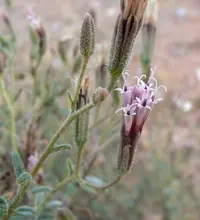
common ragweed Care (Ambrosia artemisiifolia)

Also known as: common ragweed
common ragweed

About common ragweed

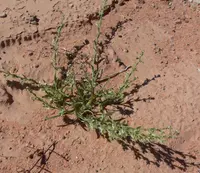
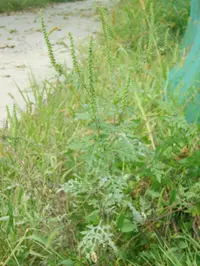
Common ragweed, Ambrosia artemisiifolia, is an annual herbaceous plant known mainly as a prolific weed and a major source of seasonal pollen allergies. It has deeply divided, fern-like leaves and green, inconspicuous flower spikes that release large amounts of wind-borne pollen late in summer.

This species is native to North America but has spread widely in disturbed sites such as roadsides, fields, and vacant lots in many regions. It grows quickly, tolerates poor soils, and competes strongly with other plants, which makes it both easy to establish and difficult to control.

Those who choose to care for common ragweed should understand its aggressive seeding habit and strong allergenic potential. It prefers full sun, dry to moderate moisture, and well-drained, often nutrient-poor soils.

Main Plant Requirements

Care Difficulty

Easy Care

Light Preference

Full Sun

Water Requirements

Low Water

Temperature Preference

Cold Hardy

Hardiness Zone

4–9

Soil Texture

Sandy, Loamy, Clay

Soil pH

Acidic (5.5–6.5), Slightly acidic (6.5–7.0)

Soil Drainage

Well-drained

Fertilization

Minimal (feed rarely)

Get Personalized Care Plan

Scan your plant to receive care tips personalized for your specific plant

Available on iOS and Android

How to Care for the common ragweed

Ambrosia artemisiifolia prefers full sun but copes with a range of light exposures in open sites.

  • Provide 6–10 hours of direct sun daily; flowering and seed production are strongest in open, unshaded areas.
  • The plant tolerates light or partial shade, especially with bright morning sun and light afternoon shade in hot regions.
  • In dense shade stems stretch, become weaker, and produce fewer flowers; in very intense summer sun, drought-stressed plants may scorch on exposed, dry soils.

Ambrosia artemisiifolia is drought tolerant and prefers infrequent, moderate watering once established.

  • Allow the top 3–5 cm of soil to dry before watering; on sandy soils this may occur faster, on clay more slowly.
  • Use well-drained soil so water does not pool; persistent soggy conditions cause root rot and yellowing, limp foliage.
  • In hot summer periods, water only when leaves droop and soil is dry; reduce or stop watering as plants set seed and begin to decline.

This species grows best in warm conditions and is adapted to typical temperate summers.

  • Optimal growth occurs around 70–86°F (21–30°C), with rapid development in consistently warm, sunny weather.
  • Plants tolerate heat up to about 95°F (35°C) if soil moisture is not extremely low, though severe drought plus heat can stunt growth.
  • Common ragweed is frost sensitive; light frosts near 32°F (0°C) damage foliage, and hard freezes below 28°F (−2°C) usually kill plants at season’s end.

Humidity is not a significant factor for Ambrosia artemisiifolia, which tolerates a wide range of ambient conditions.

Ambrosia artemisiifolia grows best in light, well-structured mineral soils that do not stay wet for long.

  • Use sandy or sandy-loam soil with low to moderate organic matter to mimic its natural, disturbed-site habitats.
  • Ensure rapid drainage by mixing native soil with coarse sand or fine gravel at roughly 3:1, especially in heavier soils.
  • Aim for slightly acidic to neutral pH around 6.0–7.5, avoiding highly acidic or strongly alkaline conditions that slow growth.
  • Avoid compacted, waterlogged, or peat-heavy mixes that hold water and limit aeration around the roots.

This species can be grown in containers, but is usually better suited to open ground due to its vigorous, weedy habit.

  • Select a heavy, wide container to limit tipping when the tall stems and extensive top growth catch wind outdoors.
  • Use a fast-draining mineral-rich mix so the root zone dries between waterings, which restricts excessive height and spread.
  • Position the pot where runoff can escape freely, since regular overhead watering outdoors may flush allergenic pollen and debris over edges.

Ambrosia artemisiifolia (common ragweed) is a tough annual that usually needs no supplemental fertilizer in typical garden or wild conditions.

Pruning Ambrosia artemisiifolia is mainly done for containment, appearance, or to reduce seed production rather than plant health.

  • Cut back plants in late spring or early summer, before or at early bud stage, to limit height and spread.
  • Remove damaged, diseased, or crowded stems at ground level with clean hand pruners or shears.
  • Deadhead or remove flowering spikes before seeds set to reduce reseeding and spread.
  • Dispose of cut material in trash if seed heads are present to avoid unwanted colonization.

This species is usually grown in open ground, so transplanting young plants is more relevant than repotting mature Ambrosia artemisiifolia.

  • Transplant seedlings when they have 2–4 true leaves and before roots circle small cells or plugs.
  • Schedule moves in early spring or early fall, during cool, moist weather, to limit transplant shock.
  • Lift with a trowel, keeping a firm soil plug around the roots, and replant at the same depth in well-drained soil.
  • Water thoroughly after transplanting, then keep soil lightly moist for 7–10 days to help roots re-establish.

Propagation of Ambrosia artemisiifolia is most commonly done by seed, as it is an annual with a fast life cycle.

  • Collect ripe seeds in late summer to early fall once flower heads dry and brown.
  • Sow seeds outdoors in fall or very early spring, as natural cold exposure improves germination.
  • Place seed on or just below the soil surface in full sun with well-drained soil, keeping it lightly moist.
  • For controlled sowing, use trays at 60–70°F with moderate light and transplant seedlings once sturdy.

This annual species dies back with hard frost, so it does not require traditional winter care or protection.

  • Expect plants to be killed by freezing temperatures and not regrow from the same stems.
  • Remove and dispose of dead plants in late fall to reduce self-seeding if spread is not desired.
  • If containers were used, empty or refresh soil for future spring plantings, as roots will not overwinter.

Care Tips

Volunteer Seed Control

Cut and bag flower heads before seed set, then monitor the surrounding soil for at least 2–3 years and remove any volunteer seedlings as soon as cotyledons appear to prevent aggressive self-seeding.

Staggered Mowing Regime

If grown in research plots or wildlife strips, mow or cut back plants just before flowering and repeat 3–4 weeks later to reduce pollen and seed production while still maintaining biomass for study or forage.

Targeted Pollen Management

For those sensitive to allergens, position plants downwind and as far as possible from seating or high-traffic areas, and time any cutting or handling for cool, still mornings while wearing a mask to reduce pollen exposure.

Soil Disturbance Planning

When preparing or cultivating ragweed plots, disturb soil only where plants are desired and keep buffer strips mulched or sodded to limit seed bank activation and unwanted spread.

Clean-Up And Tools

Use dedicated tools for this species and brush or wash them after work, then place all plant debris in sealed bags for disposal instead of on compost piles to avoid unintentionally growing common ragweed in other areas.

Common Pests and Diseases

Rust fungus

This disease causes yellow to orange spots and pustules on leaves, often leading to early leaf drop in dense stands. Symptoms include reduced vigor and patchy discoloration on the foliage.

Solution

Remove and destroy heavily infected plant material to reduce spore spread, and avoid overhead watering to keep foliage dry. In field situations, increase spacing and airflow where possible; in small-scale or research plantings, a sulfur or copper-based fungicide can be used according to label directions if rust is severe.

White smut

This disease produces pale, whitish to light tan spots and blister-like lesions on leaves, which later turn brown and dry. Symptoms include a speckled appearance and gradual loss of photosynthetic area.

Solution

Collect and dispose of affected leaves to reduce inoculum and prevent further spread. Maintain good airflow and lower leaf wetness duration; in structured plantings, rotating away from infested soil and avoiding repeated sowing in the same spot can also reduce future outbreaks.

Downy mildew

This disease leads to pale yellow to light green leaf patches on the upper surface and a grayish, downy growth on the underside in humid conditions. Symptoms include leaf distortion, stunting, and reduced seed production.

Solution

Promote good drainage and airflow by avoiding overcrowded plantings and excess irrigation, especially late in the day. Remove and destroy infected plants where feasible, and in controlled or research plots consider a phosphonate or other labeled downy mildew fungicide program if disease pressure is high.

Leaf beetles

These insects chew small to large holes in leaves and can skeletonize foliage when populations are high. This pest typically feeds on young leaves and can noticeably thin the canopy.

Solution

Hand-pick beetles and larvae where plant numbers are low, dropping them into soapy water. Encourage natural predators, use floating row covers on small plots if non-target impacts are acceptable, and, when needed, apply a targeted insecticide such as spinosad or pyrethrins following label instructions and avoiding treatments during peak pollinator activity.

Aphids

This pest forms colonies on young stems and leaf undersides, sucking plant sap and excreting sticky honeydew that can support sooty mold growth. Symptoms include curled or deformed leaves and reduced growth in heavily infested plants.

Solution

Spray plants with a strong stream of water to dislodge aphids from stems and leaf undersides, repeating as needed. For persistent infestations, use insecticidal soap or a light horticultural oil, ensuring thorough coverage and avoiding applications during high heat or full sun to prevent leaf burn; this aligns with practical Ambrosia artemisiifolia plant care in managed or research settings.

Interesting Facts

Major allergy trigger

Common ragweed pollen is one of the main triggers of seasonal allergic rhinitis in North America, with a single plant capable of releasing large quantities of lightweight pollen that can stay airborne for long distances.

Late-season flowering

This species typically flowers from late summer into fall, after many grasses and trees have finished, which extends the hay fever season for sensitive individuals.

Disturbed-soil specialist

Common ragweed is highly adapted to disturbed habitats such as roadsides, construction sites, and agricultural fields, where its fast germination and rapid early growth allow it to outcompete many crops and native plants.

Botan icon

Did you know?

In parts of Europe and Asia where it has been introduced, common ragweed is considered an invasive alien species and is subject to strict management and monitoring programs because of its strong impact on agriculture, biodiversity, and public health.

FAQs about common ragweed

Lack of flowering often comes from too much shade, repeated mowing, or very poor nutrition. This wind-pollinated species also produces inconspicuous flower spikes, so blooming may be missed unless you inspect stems closely in late summer.

Grow Healthy Plants with Botan Care

Keep your plants happy and healthy with plant identification, disease detection, and easy care guidance.

Botan plant care app — identify plants on mobile

Explore More Plants