great ragweed Care (Ambrosia trifida)

Also known as: giant ragweed, annual ragweed, horse-cane
great ragweed

About great ragweed

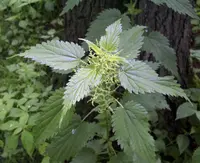
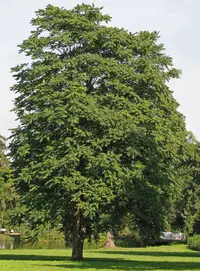
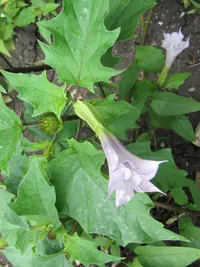
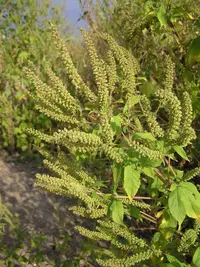
Great ragweed, Ambrosia trifida, is a fast-growing annual weed known for its tall, coarse stems and deeply lobed leaves. It often forms dense stands in disturbed areas. The plant is native to North America and is common in fields, roadsides, riverbanks, and vacant lots. It spreads mainly by seed and can become dominant where soil is frequently disturbed. Great ragweed favors full sun, moist to seasonally wet soils, and nutrient-rich ground. It is easy to grow unintentionally and can be difficult to control once established, so most gardeners avoid efforts to care for great ragweed.

Main Plant Requirements

Care Difficulty

Easy Care

Light Preference

Full Sun

Water Requirements

Moderate Water

Temperature Preference

Cold Hardy

Hardiness Zone

4–8

Soil Texture

Sandy, Loamy, Clay

Soil pH

Slightly acidic (6.5–7.0), Neutral (7.0)

Soil Drainage

Well-drained

Fertilization

Minimal (feed rarely)

Get Personalized Care Plan

Scan your plant to receive care tips personalized for your specific plant

Available on iOS and Android

How to Care for the great ragweed

This annual prefers strong outdoor light and adapts well to open sites.

  • Provide full sun for 6–8 hours daily; great ragweed grows most vigorously in open fields, roadsides, and disturbed sites with unobstructed exposure.
  • Tolerates light or partial shade (2–4 hours direct sun), but stems may elongate and produce fewer seeds if shaded by taller vegetation.
  • In hot summers, morning to early afternoon sun is ideal; prolonged drought with intense sun can cause leaf scorch unless soil moisture is maintained.

This species is drought-tolerant once established but responds to moderate, consistent moisture.

  • Allow the top 3–5 cm of soil to dry between natural rain events or irrigations; in most field conditions, rainfall alone is sufficient for Ambrosia trifida after root establishment.
  • Use well-drained, loamy or sandy soils; prolonged puddling or anaerobic, waterlogged conditions cause root rot and yellowing foliage.
  • In hot, dry periods, wilting at midday that persists into evening signals water stress, while soft, yellowing, or collapsing stems indicate chronic overwatering.

This warm-season annual thrives in temperate to hot climates during the frost-free period.

  • Optimal growth occurs around 70–86°F (21–30°C), typical of late spring and summer conditions in much of North America.
  • Seeds usually germinate once soils warm above about 60°F (16°C); seedlings and mature plants are damaged or killed by hard frost below 30–28°F (-1 to -2°C).
  • Tolerates summer heat up to about 95°F (35°C) if soil moisture is available, but extended heat above this range with drought can stunt growth and reduce seed production.

This species is highly tolerant of low humidity and does not need humidity management in cultivation.

This annual thrives in moist, fertile mineral soils and adapts to a wide range of textures if drainage is adequate.

  • Use a loamy or silty soil with moderate organic matter to support rapid growth and moisture retention without waterlogging.
  • Aim for soil that drains freely yet stays evenly moist; avoid compacted clay that holds standing water after rain or irrigation.
  • A slightly acidic to neutral pH around 6.0–7.5 suits Ambrosia trifida in most outdoor sites.
  • In very heavy or compact soils, improve aeration and drainage by incorporating coarse sand or fine gravel along with compost before planting.

This species is generally unsuitable for long-term container growing due to its tall, vigorous habit and extensive root system.

Ambrosia trifida is a vigorous native annual that usually needs no fertilizer in average garden or field soil.

Pruning Ambrosia trifida is mainly done to limit spread, reduce height, or manage unwanted plants.

  • Cut stems at ground level in late spring or early summer before flowering to reduce seed formation.
  • Remove damaged or overcrowded stems with clean hand pruners to improve airflow and reduce lodging.
  • Mowing or cutting back tall stands shapes overall height and density, especially along field margins.

Transplanting great ragweed is uncommon, but it can be moved or thinned where management is needed.

  • Transplant in early spring when seedlings are small and soil is moist for lowest stress.
  • Choose a site with full sun and similar soil texture; water after transplanting to settle roots.
  • Lift seedlings with a trowel, keeping a soil clump around roots to limit disturbance.
  • Space plants to reduce competition and monitor for wilting during the first week after moving.

Propagation of Ambrosia trifida is almost entirely by seed in outdoor conditions.

  • Collect mature seeds in late summer to early fall when flower heads dry and turn brown.
  • Sow seeds outdoors in fall or very early spring, allowing natural cold stratification over winter.
  • Place seeds on or just below the soil surface in open, disturbed ground with full sun exposure.
  • Keep soil lightly moist until seedlings establish; thin dense patches to reduce competition and weak growth.

This hardy annual completes its life cycle before winter and usually needs no special winter care.

Care Tips

Deep root training

Encourage a deeper root system by watering less often but thoroughly in early growth, then allowing the top 5–8 cm of soil to dry so plants anchor better and resist lodging in wind.

Wind‑firm support

In exposed sites, install sturdy stakes or temporary mesh fencing on the windward side before stems reach 60–80 cm tall to reduce stem breakage and make later management easier.

Early stand thinning

If plants emerge too densely, thin or rogue extra seedlings at 10–20 cm height so remaining plants have enough space and do not become weak, spindly, or more prone to disease.

Seed head management

To limit unwanted spread, cut and remove flower or seed heads before they fully mature, and dispose of them in sealed bags rather than adding them to compost.

Targeted border control

Install 20–30 cm deep physical edging or cultivate a narrow tilled strip around plots so rhizosphere disturbance and repeated shallow cultivation help contain populations when growing great ragweed near other plantings.

Common Pests and Diseases

ragweed leaf beetle

This pest feeds on leaves, creating irregular holes and sometimes skeletonizing the foliage on wild or cultivated stands of great ragweed. Symptoms include notched leaf edges and thinning leaf tissue between veins.

Solution

Hand-pick and destroy beetles and larvae where practical, and encourage natural predators such as birds and predatory beetles by maintaining habitat diversity nearby. In larger patches grown for study or habitat work, targeted use of neem oil or a spinosad-based product on affected foliage can reduce damage while limiting impact on non-target insects.

ragweed stem borer

This insect is a caterpillar that tunnels inside stems, causing wilting, weak growth, and sometimes stem breakage above the tunneling point. Symptoms include small entry holes and frass (sawdust-like material) on stems, with sections of the plant yellowing or collapsing.

Solution

Cut out and destroy infested stems below the tunneling area as soon as damage is noticed to prevent further spread. Avoid high nitrogen fertilization that promotes excessively lush growth, and rotate or relocate plantings in successive years if growing great ragweed in managed plots to reduce local borer buildup.

Puccinia xanthii rust

This disease produces yellow to orange powdery pustules on leaves and sometimes stems, leading to mottled foliage, premature yellowing, and reduced vigor. Symptoms include small rust-colored spots that can merge into larger discolored patches under humid conditions.

Solution

Remove and destroy heavily infected leaves to reduce spore load, and avoid overhead irrigation to keep foliage as dry as possible. In dense stands managed for research or habitat purposes, increase spacing or selectively thin plants to improve airflow; a labeled sulfur or chlorothalonil fungicide can be used as a last resort if rust becomes severe.

powdery mildew

This disease appears as a white to gray powdery coating on upper leaf surfaces, which can cause leaf distortion and reduced photosynthesis. Symptoms include dull, pale foliage and a dusty appearance that can be wiped from the leaf surface.

Solution

Improve air circulation by thinning crowded plants and minimizing shade from taller vegetation, and avoid prolonged leaf wetness by watering at soil level rather than overhead. Remove and discard the most affected leaves; for persistent outbreaks in managed plantings, apply a labeled horticultural oil or potassium bicarbonate product according to instructions as part of Ambrosia trifida care.

Interesting Facts

Major pollen allergen

This species is one of the main sources of late-summer and fall pollen allergies in North America, producing huge quantities of lightweight wind-dispersed pollen that can travel long distances and trigger hay fever.

Gigantic annual weed

Unlike many herbaceous annuals, it can grow 3–5 m tall in a single season under fertile, moist conditions, forming dense, towering stands that shade out many other plants.

Opportunistic colonizer

It thrives in disturbed habitats such as crop fields, riverbanks, roadsides, and construction sites, where high seed production and a persistent seed bank allow rapid re-establishment after tillage or flooding.

Botan icon

Did you know?

Genetic studies show that this species, along with a few related ragweeds, has rapidly evolved resistance to multiple herbicides across parts of its range, making it one of the more problematic weeds in intensive row-crop agriculture.

FAQs about great ragweed

This annual grows very quickly, often reaching 6–10 ft in a single season under fertile, moist conditions. Growth slows with poor soil, drought, frequent mowing, or dense competition from other vegetation.

Grow Healthy Plants with Botan Care

Keep your plants happy and healthy with plant identification, disease detection, and easy care guidance.

Botan plant care app — identify plants on mobile

Explore More Plants