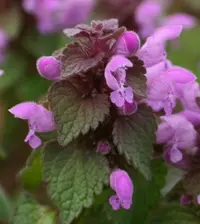
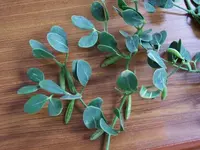
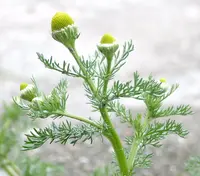
sea spurge Care (Euphorbia paralias)

sea spurge

About sea spurge

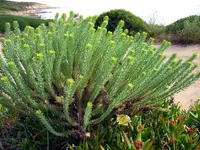
Sea spurge, Euphorbia paralias, is a perennial coastal plant that forms low, dense clumps with upright, blue‑green stems and narrow, fleshy leaves. It produces small yellow‑green flower clusters near the stem tips, giving the plant a distinctive, architectural look along sandy shores.

This species is native to European and Mediterranean coasts but is also found in other temperate coastal regions, often on dunes and sandy beaches. It is generally tough and drought tolerant, which can make it relatively easy to establish where conditions are right.

To care for sea spurge, provide very well‑drained, poor to moderately fertile soil, plenty of sun, and avoid overwatering, as it is adapted to dry, exposed sites.

Main Plant Requirements

Care Difficulty

Easy Care

Light Preference

Full Sun

Water Requirements

Low Water

Temperature Preference

Warm Climate

Hardiness Zone

8–11

Soil Texture

Sandy, Loamy, Rocky

Soil pH

Slightly acidic (6.5–7.0), Neutral (7.0)

Soil Drainage

Well-drained

Fertilization

Minimal (feed rarely)

Get Personalized Care Plan

Scan your plant to receive care tips personalized for your specific plant

Available on iOS and Android

How to Care for the sea spurge

This coastal perennial thrives in strong light and handles exposed seaside conditions well.

  • Provide 6–8 hours of direct sun daily; full sun is ideal, especially on open, sandy sites where sea spurge naturally grows.
  • Tolerates light partial shade, but stems may stretch and flower production declines if it receives less than 4–5 hours of direct sun.
  • In very hot inland summers, protect from harsh late-afternoon sun to limit leaf scorch, using morning sun plus light midday filtering if needed.

This dune-adapted plant prefers dry, fast-draining conditions and is sensitive to excess moisture.

  • Allow sandy or gritty soil to dry completely between rains or irrigations; the top 5–8 cm should feel dry and loose before adding water.
  • During hot, dry periods, use deep but infrequent watering, watching for slight leaf softening or mild droop as a cue rather than following a fixed schedule.
  • Avoid overwatering Euphorbia paralias; persistent soil dampness, yellowing lower leaves, or stem base softening indicate poor drainage or excess moisture.

This species is adapted to mild, maritime climates with moderate temperature swings.

  • Optimal growth occurs around 60–75°F (16–24°C), especially in spring and early summer when soil is warming but not hot.
  • Mature plants tolerate brief drops to about 20–25°F (-6 to -4°C), but repeated hard frosts or frozen, waterlogged soil can damage roots and stems.
  • Handles coastal heat and reflected sand warmth up to about 90–95°F (32–35°C) if soil drains freely, but prolonged extreme heat with high humidity increases stress.

This coastal Euphorbia tolerates a wide humidity range and rarely needs special humidity management indoors or outdoors.

  • Target 30–60% humidity, which matches most heated and air-conditioned homes.
  • Dry air is usually well tolerated, but very hot, stagnant rooms can increase leaf drop and tip dieback.
  • If air is extremely dry and hot, improve conditions with light air movement and by keeping the plant away from heat sources or reflective glass.

This species prefers very free-draining, sandy soil that mimics its natural dune habitat.

  • Use a gritty mix such as 50–70% coarse sand or horticultural grit with the rest a lean cactus or succulent substrate.
  • Ensure extremely rapid drainage; water should pass through the pot or bed within seconds without pooling on the surface.
  • Aim for slightly alkaline to neutral pH, roughly 7.0–8.0, avoiding strongly acidic substrates or peat-heavy mixes.
  • For Euphorbia paralias care, avoid compacted clay or water-retentive potting mixes that restrict aeration and promote root rot.

This species can grow in containers if the setup maintains sharp drainage and stability for its upright stems.

  • Choose a deep, heavy pot that resists tipping as the plant forms tall, narrow clumps in windy or exposed sites.
  • Select unglazed clay if possible, since its porous walls help excess moisture evaporate from the root zone quickly.
  • Fill the base of tall containers with a coarse, gritty layer to prevent fine particles from clogging drainage holes and slowing outflow.

Euphorbia paralias is adapted to poor, sandy coastal soils and usually needs no fertilizer in the ground.

Euphorbia paralias benefits from light, targeted pruning to keep clumps compact and safe.

  • Carry out pruning after flowering, once seed heads fade, to maintain shape and limit self-seeding.
  • Remove dead, damaged, or weak stems at the base using clean, sharp pruners or scissors.
  • Thin out overcrowded shoots to improve air flow and reduce fungal problems.
  • Wear gloves and avoid skin contact with the milky sap, which can cause irritation.

This coastal species is usually grown in the ground, so focus on careful transplanting rather than frequent repotting.

  • Transplant young plants in early spring or early fall when temperatures are mild and soil is moist.
  • Choose a sunny, very well-drained, sandy site to match natural conditions and reduce transplant shock.
  • Move plants only when necessary; look for poor vigor or crowding rather than roots circling a pot.
  • Lift with a wide root ball, replant at the same depth, then water once to settle soil without waterlogging.

Propagation of Euphorbia paralias is most reliable from seed under controlled conditions.

  • Collect ripe seed heads and dry them in a paper bag to capture dropping seeds safely.
  • Sow seeds in fall or late winter in a free-draining sandy mix, barely covering them.
  • Provide bright light, good air movement, and moderate moisture; avoid keeping the mix wet.
  • Handle seedlings with gloves due to irritating sap and transplant when roots fill small plugs.

This hardy coastal perennial tolerates typical mild to moderate winters and usually needs little winter care.

  • Established plants in the ground withstand light to moderate frost in well-drained sandy soil.
  • Avoid heavy winter watering; wet, cold soil is more harmful than low temperatures.
  • In very cold inland sites, apply a light, gritty mulch around the crown to improve drainage and protect buds.
  • Container plants in exposed sites can be moved to a cold, bright, frost-sheltered area if severe freezes are expected.

Care Tips

Handle Sap Safely

Wear gloves and long sleeves when cutting or removing stems, because the milky sap is irritating to skin and eyes and tools should be rinsed after use to avoid residue on future cuts.

Control Self-Seeding

Deadhead spent flower stalks before seed capsules mature and eject, or bag a few stems for controlled seed collection if you want to grow Euphorbia paralias in a managed area.

Use Deep Containers

If grown in pots, choose a deep container at least 25–30 cm tall to accommodate the strong taproot and avoid transplanting once established, since root disturbance can set the plant back.

Mimic Coastal Sand

For long-term container culture, mix coarse sand or grit into the substrate at 30–50% by volume to mimic its natural dune habitat and keep roots well aerated when growing sea spurge.

Winter Stand Management

In colder or windy coastal sites, leave dry stems standing over winter to protect the crown and nearby seedlings, then cut them back at ground level in late winter before new growth starts.

Common Pests and Diseases

Aphids

This pest often colonizes the soft new growth and flowering stems, feeding on sap and causing distortion or stunting. Symptoms include sticky honeydew on stems and nearby surfaces, sometimes followed by sooty mold growth.

Solution

Rinse colonies off outdoor plants with a firm stream of water and repeat every few days until numbers drop. For persistent infestations, spot-treat stems with insecticidal soap or a ready-to-use horticultural oil, applied in the early morning or evening to avoid leaf burn, and encourage natural predators such as lady beetles where possible.

Mealybugs

These insects hide in stem joints and along roots, appearing as small white cottony clusters that feed on sap and weaken plants. Symptoms include slow growth, yellowing, and sticky residue on nearby surfaces.

Solution

Remove visible clusters with a cotton swab dipped in 70% isopropyl alcohol, then inspect regularly and repeat as needed. For larger outbreaks, apply insecticidal soap or a lightweight horticultural oil thoroughly to all aboveground parts, and consider discarding heavily infested container plants to prevent spread to other Euphorbia paralias plant care situations.

Spider mites

This pest thrives in hot, dry conditions and feeds on sap, causing fine stippling and a dull, dusty look to foliage. Symptoms include very fine webbing between stems and leaves and gradual yellowing or bronzing of affected tissue.

Solution

Increase humidity around container plants, then wash stems gently with a strong but controlled stream of water to dislodge mites. Follow up with repeated applications of insecticidal soap or neem oil every 5–7 days, focusing on stem joints and undersides, until new growth appears clean.

Powdery mildew

This disease appears as white to gray powdery patches on leaves and young stems, especially in crowded or shaded stands. Symptoms include slightly distorted new growth and a general decline in vigor if infection is severe and persistent.

Solution

Improve air movement by thinning overly dense plantings and avoiding overhead watering in sheltered sites. Remove and discard the most affected stems, then, if needed, treat remaining plants with a sulfur or potassium bicarbonate fungicide labeled for ornamentals, applied according to label directions.

Rust

This disease causes small yellow spots on the upper leaf surface with corresponding orange to brown pustules underneath that release powdery spores. Symptoms include premature leaf drop and reduced vigor in repeatedly affected plants.

Solution

Promptly remove and discard heavily spotted leaves to reduce spore spread and avoid wetting foliage late in the day. In settings where rust recurs, apply a preventive ornamental fungicide labeled for rust diseases at the first sign of symptoms and rotate products with different active ingredients if multiple treatments are required.

Interesting Facts

Specialized dune pioneer

This coastal species is one of the first plants to colonize shifting sand dunes, using its deep taproot and extensive lateral roots to stabilize loose sand and trap more sediment.

Salt and drought tolerant

It tolerates high salt spray, sandy low-nutrient soils, and prolonged drought, thanks to succulent stems and leaves that store water and limit evaporation.

Problematic beach invader

Outside its native range in parts of Europe and North Africa, it is invasive on some Australian and North American coasts, where dense stands can displace native dune plants and interfere with sea turtle nesting sites.

Botan icon

Did you know?

Like many spurges, this species exudes a white, milky latex when cut or damaged, and this latex can irritate human skin and eyes, so gloves and eye protection are recommended when handling or removing plants.

FAQs about sea spurge

Lack of flowers usually relates to plant age, insufficient light, or excessive nutrient-rich soil. This coastal species blooms best in full sun, lean, well-drained sand or gravel, and when not pruned hard just before the flowering season.

Grow Healthy Plants with Botan Care

Keep your plants happy and healthy with plant identification, disease detection, and easy care guidance.

Botan plant care app — identify plants on mobile

Explore More Plants