harmal peganum Care (Peganum harmala)

Also known as: harmel, African rue, Syrian rue, esfand, aspand, wild rue
harmal peganum

About harmal peganum

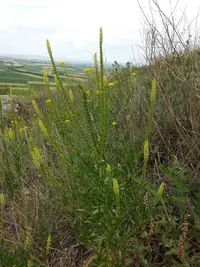
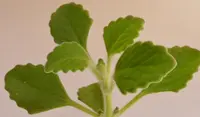
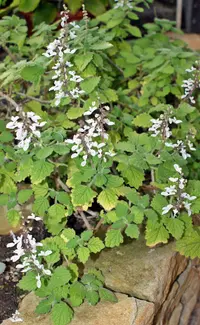
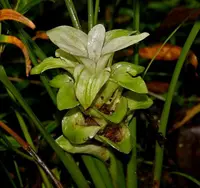
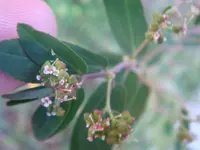
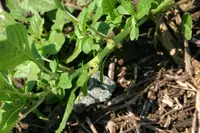
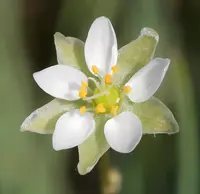
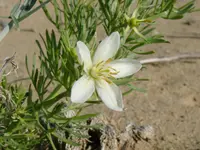
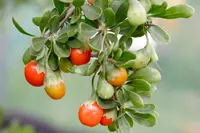
Harmal or Syrian rue, Peganum harmala, is a long-lived herbaceous shrub from arid and semi-arid regions of the Middle East, North Africa, and Central Asia. It usually forms low, bushy clumps with narrow, finely divided leaves and white, star-shaped flowers followed by rounded seed capsules. The plant is drought-tolerant and adapted to poor, rocky or sandy soils, which can make it resilient but also slow-growing outside its native climate. It prefers strong light, low to moderate moisture, and very well-drained substrates. Gardeners who learn how to care for harmal peganum often grow it as a specialty or ethnobotanical plant rather than a common ornamental.

Main Plant Requirements

Care Difficulty

Moderate Care

Light Preference

Full Sun

Water Requirements

Low Water

Temperature Preference

Warm Climate

Hardiness Zone

7–10

Soil Texture

Sandy, Loamy, Rocky

Soil pH

Neutral (7.0), Slightly alkaline (7.0–7.5)

Soil Drainage

Well-drained

Fertilization

Minimal (feed rarely)

Get Personalized Care Plan

Scan your plant to receive care tips personalized for your specific plant

Available on iOS and Android

How to Care for the harmal peganum

This sun-loving desert perennial needs strong light to flower and set seed well.

  • Provide 6–8 hours of direct sun daily; full sun is ideal in open, unshaded sites where harmal peganum naturally occurs.
  • In very hot climates, allow light afternoon shade to limit leaf scorch, especially on reflected-heat sites near walls or pavement.
  • Avoid deep shade; plants in less than 4 hours of sun become weak, produce fewer pods, and may stretch or lodge after rain and wind.

This species is drought-tolerant and prefers dry, fast-draining conditions once established.

  • Allow the top 5–7 cm of soil to dry completely before watering; in arid climates this may mean long gaps between soakings.
  • Use very well-drained, sandy or gravelly soil so water runs through quickly; standing water around the roots greatly increases rot risk.
  • Reduce watering further in cool seasons, watching for pale, shriveled leaves as a sign of underwatering and soft, yellowing stems as a sign of excess moisture.

This plant is adapted to hot, dry climates but still has clear temperature limits.

  • Best growth occurs around 70–90°F (21–32°C); plants stay compact and flower reliably in this range.
  • Established plants tolerate brief drops near 20°F (−6°C), but young seedlings and potted specimens are more easily damaged by freezing conditions.
  • In extreme heat above 100°F (38°C), flowering can slow; deep, infrequent watering and a light mulch help protect roots from overheating.

This arid-climate shrub tolerates low household humidity and rarely needs special humidity management.

This desert species prefers very well-drained, mineral-rich soil that dries quickly between waterings.

  • Use a gritty, sandy mix such as 60–70% coarse sand or fine gravel with 30–40% low-organic potting soil for Peganum harmala.
  • Ensure extremely sharp drainage; water should pass through the pot within seconds, without pooling on the surface.
  • Aim for slightly alkaline to neutral pH around 7.0–8.0, avoiding acidic mixes heavy in peat moss.
  • Improve aeration by blending in perlite or pumice and avoid compact, clay-based garden soil that stays wet.

This species adapts well to container growing when given a deep, fast-draining setup that mimics dry, open ground.

  • Select a tall pot to provide a deep root run, which supports the plant’s long taproot and reduces stress in summer heat.
  • Choose unglazed terracotta if possible, as its porous walls help excess moisture evaporate faster in wet periods.
  • Place the container where wind exposure is moderate so the relatively woody, upright stems do not rock and loosen the root zone.

This drought-adapted shrub needs only light feeding in poor soils; rich ground often needs no fertilizer at all when caring for harmal peganum.

  • Use a balanced, low-strength fertilizer (around 10-10-10) or a thin layer of well-rotted compost if growth looks weak.
  • Feed at most once in mid-spring and once in early summer during active growth.
  • Dilute liquid fertilizer to 1/2–1/4 strength to avoid excess salts in the soil.
  • Stop feeding in late summer and do not fertilize in fall–winter to let growth harden off.

Peganum harmala benefits from light, targeted pruning to maintain a compact, healthy form.

  • Carry out main pruning in late winter or very early spring before new growth starts.
  • Remove dead, diseased, or storm-damaged stems with clean, sharp hand pruners.
  • Thin congested interior shoots to improve air flow and light penetration.
  • Shorten overly long stems slightly to refine shape without removing too much live wood.

This species is usually grown in the ground, so transplanting is more common than container repotting.

  • Transplant in early spring, choosing a sunny, very well-drained site with sandy or gritty soil.
  • Look for signs like stunted growth, roots circling a pot, or water sitting on the surface before moving a container plant.
  • If potted, shift to a container only 2–5 cm wider every 2–3 years to avoid waterlogged soil.
  • Reduce root stress by watering well before and after moving, disturbing roots as little as possible, and shading lightly for a few days.

Peganum harmala is most commonly propagated from seed, which suits its natural growth habit.

  • Sow fresh seeds in late winter to early spring in a fast-draining, sandy mix.
  • Lightly cover seeds and keep at 65–75°F with moderate, even moisture until germination.
  • Provide strong light after sprouting to keep seedlings compact and prevent weak, leggy growth.
  • Transplant young plants carefully once roots hold the soil, avoiding damage to the developing taproot.

This plant is fairly cold tolerant in dry, well-drained soils and often needs minimal winter care in mild regions.

  • In areas with wet winters, ensure sharp drainage to prevent root rot in cold, saturated soil.
  • Apply a thin gravel or coarse sand mulch around the crown rather than organic mulch, which can trap moisture.
  • For containers in climates below about 20°F, move pots to an unheated but frost-free, bright shelter.

Care Tips

Deep root establishment

During the first growing season, water less frequently but very thoroughly to encourage a deep taproot, which increases drought resilience and improves long‑term stability when growing harmal peganum outdoors.

Seed scarification method

Before sowing, gently rub seeds between fine sandpaper or nick the seed coat with a clean blade, then soak in room‑temperature water for 12–24 hours to improve germination speed and uniformity.

Controlled self‑seeding

If natural reseeding is desired, leave some mature capsules on the plant until they just begin to dry, then collect and scatter seeds in a marked area so the stand renews itself without spreading uncontrollably.

Targeted pest monitoring

Inspect flower buds and young seed pods weekly for aphids or spider mites, and if present, wash them off with a firm stream of water or use insecticidal soap early before populations build up.

Safe handling routine

Wear gloves and avoid touching your face when pruning or handling this plant, then wash tools and hands afterward to reduce accidental contact with the alkaloid‑rich sap and seeds.

Common Pests and Diseases

Leaf spot

This disease causes small brown to dark lesions on older leaves, sometimes with a yellow halo and premature leaf drop in humid or crowded conditions.

Solution

Remove and dispose of affected leaves, avoid overhead watering, and space plants to improve airflow; in persistent cases, apply a copper-based or sulfur fungicide labeled for ornamental herbs according to instructions and keep foliage as dry as possible.

Powdery mildew

This disease produces white, powdery patches on leaves and young stems, especially when nights are cool and humidity is high but foliage is dry.

Solution

Improve light and air circulation, avoid excess nitrogen fertilization, remove heavily infected tissue, and if needed use a potassium bicarbonate or neem oil product labeled for powdery mildew, treating both upper and lower leaf surfaces.

Aphids

These insects feed on young stems and flower buds, causing curling or distortion and sometimes sticky honeydew on nearby surfaces.

Solution

Spray plants with a firm stream of water to dislodge colonies, then treat remaining clusters with insecticidal soap or neem oil, repeating every 5–7 days until populations are controlled and encouraging natural predators such as lady beetles in outdoor plantings.

Spider mites

This pest thrives in hot, dry conditions and causes fine stippling, dulling of foliage color, and sometimes light webbing between stems and leaves.

Solution

Increase humidity around the plant, hose down foliage thoroughly to knock mites off, and apply insecticidal soap or horticultural oil to all leaf surfaces, repeating at intervals to target newly hatched mites while regularly monitoring with a hand lens.

Root-knot nematodes

These microscopic worms attack roots in sandy or light soils, leading to galled or knotted roots, stunted growth, and poor response to watering and fertilization.

Solution

Remove and discard severely affected plants, avoid replanting in the same spot for several years, and improve soil health with organic matter and crop rotation; in outdoor gardens, solarize infested soil in hot climates by covering moist soil with clear plastic for 4–6 weeks during peak summer to reduce nematode numbers and improve conditions for growing harmal peganum.

Interesting Facts

Natural dye source

The seeds contain red-brown pigments that have been used for centuries as a stable textile and carpet dye, especially in parts of the Middle East and Central Asia.

Potent seed chemistry

Its seeds are rich in beta-carboline alkaloids such as harmine and harmaline, which strongly inhibit monoamine oxidase enzymes and are studied in pharmacology and neuroscience.

Salt and drought adapted

This shrub grows naturally in dry, saline soils and along disturbed, arid habitats, showing high tolerance to drought and soil salinity compared with many other flowering plants.

Botan icon

Did you know?

Peganum harmala is considered an invasive or noxious weed in several regions, including parts of the western United States, where its deep root system and prolific seed production allow it to outcompete native vegetation and form dense stands.

FAQs about harmal peganum

Lack of flowering usually comes from insufficient light, too much nitrogen-rich fertilizer, or the plant being too young. Ensure strong sun, avoid heavy feeding, and allow a cold, dry rest period in winter to trigger buds.

Grow Healthy Plants with Botan Care

Keep your plants happy and healthy with plant identification, disease detection, and easy care guidance.

Botan plant care app — identify plants on mobile

Explore More Plants