Succession Re-Sowing
Allow some flowers to set seed and lightly rake the soil surface so seed can fall into fine soil and germinate, which keeps the mat dense and young instead of letting older plants thin out.

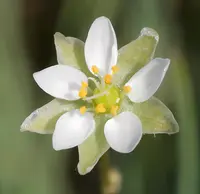
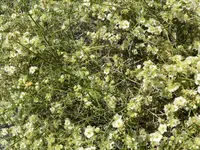
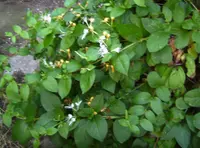
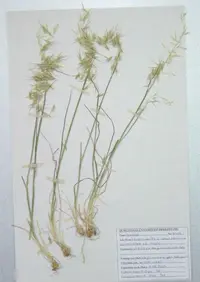
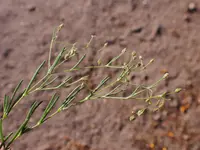
Pearlwort spurrey, Spergula morisonii, is a small annual wildflower often found in dry, open habitats such as sandy fields, heaths, and disturbed ground. It forms low, airy tufts with fine, thread-like leaves and delicate white, star-shaped flowers.
This species is native to parts of Europe but can appear in similar temperate regions where soil is poor and well drained. It tends to grow quickly, set seed, and disappear, so it suits naturalistic or meadow-style plantings more than formal borders.
It is generally easy to grow where light, open soil and full sun are available, but it dislikes heavy, waterlogged sites. Understanding how to care for Pearlwort Spurrey mainly involves matching its preference for lean, free-draining soils and moderate moisture.

Care Difficulty
Moderate Care

Light Preference
Full Sun

Water Requirements
Moderate Water

Temperature Preference
Cool Climate

Hardiness Zone
5–8

Soil Texture
Sandy, Loamy

Soil pH
Acidic (5.5–6.5), Slightly acidic (6.5–7.0)

Soil Drainage
Well-drained

Fertilization
Minimal (feed rarely)
Scan your plant to receive care tips personalized for your specific plant
Available on iOS and Android
This low annual groundcover prefers open, bright conditions to form a dense mat.
This species prefers slightly moist but never waterlogged soil, especially while establishing.
This cool-temperate annual performs best in mild conditions with moderate summer warmth.
This species handles a wide humidity range and rarely needs special adjustment in typical home or outdoor conditions.
Spergula morisonii prefers light, sharply drained soil that never stays waterlogged.
This plant is suitable for containers, especially shallow, well-drained pots for rock-garden style displays.
Spergula morisonii is a low-nutrient, sandy-soil species that needs only light feeding in cultivation.
Spergula morisonii benefits from light, timely pruning to keep the mat dense and flowering well.
This species is most often grown in the ground; in containers, transplanting or repotting is infrequent but sometimes helpful.
Spergula morisonii is most commonly propagated from seed, which suits its fine, mat-forming habit.
In most temperate climates, this low-growing species is cold hardy and needs only minimal winter care.

Plant Health Check
Not sure what's wrong with your plant? Check your plant's health inside the app.
This species is a short-lived annual that completes its entire life cycle quickly in open sandy habitats, taking advantage of brief periods of low competition before taller vegetation closes the canopy.
It is strongly associated with dry, acidic, nutrient-poor sandy soils, such as inland dunes and heaths, where many other species struggle to establish.
In parts of its European range, its presence can indicate recent disturbance or grazing in sandy grasslands, because it colonizes small open patches of bare soil that appear after soil movement or trampling.
This species forms a low, spreading mat and self-seeds readily, but is usually not strongly aggressive in typical garden settings. In very open, sandy soil it can naturalize, so light, regular thinning keeps it in check.
Keep your plants happy and healthy with plant identification, disease detection, and easy care guidance.