alkali sandspurry Care (Spergularia diandra)

Also known as: diandra sandspurry, Mediterranean Sand-Spurry
alkali sandspurry

About alkali sandspurry

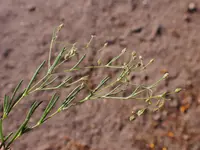
Alkali sandspurry (Spergularia diandra) is a small, salt-tolerant annual herb often found in coastal areas, salt flats, and disturbed ground. It forms low, branching mats with slender stems and narrow, fleshy leaves.

The plant produces tiny pink to whitish star-shaped flowers, giving it a delicate appearance despite its tough nature. It is adapted to poor, sandy, or alkaline soils where many other species struggle.

Because it thrives in harsh, low-nutrient sites, it can be relatively undemanding in cultivation if given similar conditions. Understanding these natural preferences is key to how to care for alkali sandspurry, especially regarding drainage and soil salinity.

Main Plant Requirements

Care Difficulty

Moderate Care

Light Preference

Full Sun

Water Requirements

Moderate Water

Temperature Preference

Cool Climate

Hardiness Zone

6–9

Soil Texture

Sandy, Loamy, Rocky

Soil pH

Neutral (7.0), Slightly alkaline (7.0–7.5)

Soil Drainage

Well-drained

Fertilization

Minimal (feed rarely)

Get Personalized Care Plan

Scan your plant to receive care tips personalized for your specific plant

Available on iOS and Android

How to Care for the alkali sandspurry

This coastal annual prefers bright, open conditions with cool roots and plenty of sun exposure.

  • Provide 6–8 hours of direct sun daily; morning to early afternoon sun suits alkali sandspurry best in most temperate climates.
  • In hotter regions, give full sun until midday, then light afternoon shade to limit leaf scorch and excessive drying of sandy soils.
  • Watch seasonal sun shifts; in winter ensure plants are not shaded by buildings, and in summer monitor for pale, stunted growth that signals insufficient light.

This species is adapted to dry, sandy, often saline sites and needs careful, sparing watering.

  • Allow the top 3–5 cm of soil to dry fully before watering; in very sandy ground this may happen within a few days after rain.
  • Increase watering only slightly in active growth if natural rainfall is low, then reduce once flowering declines or temperatures drop.
  • Look for soft, yellowing, or collapsing stems as signs of overwatering, and crisp, browning tips with wilting at midday that persists into evening as signs of underwatering.

This small coastal plant favors cool to warm conditions but tolerates a fairly wide temperature range.

  • Aim for 55–75°F (13–24°C) during active growth for best germination, foliage development, and flowering.
  • Mature plants often tolerate down to about 25°F (-4°C) for short periods, but repeated hard frosts below this can damage or kill them.
  • In summer, growth usually continues up to about 85–90°F (29–32°C) if soil does not stay waterlogged; prolonged heat above this can shorten the life cycle.

This species tolerates a wide humidity range and rarely needs special humidity management.

This coastal annual prefers open, fast-draining sandy substrates with minimal organic matter.

  • Use a mix of 60–80% coarse sand or grit with 20–40% lean mineral topsoil to mimic its native habitat.
  • Maintain very sharp drainage; water should pass through the substrate within seconds and never pool on the surface.
  • Keep pH slightly alkaline to neutral (pH 7.0–8.0), adding a small amount of crushed limestone if the mix is too acidic.
  • Avoid heavy clay, peat-rich, or moisture-retentive potting mixes, which reduce aeration and cause root decline in Spergularia diandra.

This low, mat-forming species is suitable for shallow container growing such as troughs or pans.

  • Choose a wide, shallow pot so the spreading roots and stems can form a dense mat without deep substrate.
  • Select unglazed terracotta or other porous materials to let the very free-draining mix dry quickly after rain or watering.
  • Raise containers on feet or bricks so drainage holes stay clear and runoff moves away, preventing salt accumulation at the base.

This salt-tolerant wild species needs minimal feeding, especially in poor, sandy soils where it naturally thrives.

  • Use a very light application of balanced NPK fertilizer or dilute liquid feed at 1⁄4 strength only if growth in containers appears weak.
  • Apply at most once in mid to late spring during active growth; avoid repeated doses through summer.
  • Skip feeding in fall and winter, when growth slows and alkali sandspurry rests, to prevent soft, weak tissue.

Pruning needs for Spergularia diandra are low, mainly to keep plants tidy and flowering well.

  • Trim spent flower stems in late spring and summer to encourage a neater cushion and potential rebloom.
  • Remove dead, damaged, or diseased shoots with clean, sharp scissors to reduce rot risk in dense clumps.
  • Lightly shear overgrown or leggy mats after flowering, keeping cuts shallow to preserve healthy green growth.

This small coastal species is more often transplanted in the garden than repotted as a long-term container plant.

  • Transplant in early spring when new growth starts, choosing a sharply drained, sandy or gravelly site.
  • Look for roots circling a small pot, soil drying very fast, or stunted growth as signals to move the plant.
  • Lift gently with as much rootball as possible, handle fine roots carefully, and set at the same soil depth.
  • Water once after transplanting, then allow soil to dry between light waterings to limit transplant shock.

Most Spergularia diandra plants are raised from seed, which suits its short-lived, colonizing habit.

  • Sow fresh seeds in late winter to early spring on the surface of gritty, well-drained mix; do not bury deeply.
  • Maintain bright light, good air flow, and cool to mild temperatures around 55–65°F for better germination.
  • Keep the substrate just barely moist; avoid waterlogging, which quickly damages the fine roots and seedlings.
  • Harden off young plants gradually outdoors, then plant into sunny, open, sandy sites once frost danger has passed.

This species is generally cold hardy in mild to moderately cool climates and usually needs little specific winter attention.

  • In regions with wet winters, ensure very sharp drainage so crowns do not sit in saturated soil.
  • Apply a thin gravel mulch around the base to keep foliage off wet ground and reduce rot.
  • Container plants in colder areas can be moved to a cold, bright, frost-free spot to prevent root freezing.

Care Tips

Salt-tolerant placement

Use this plant to colonize the most saline, compacted edge zones of a bed or path where less tolerant species struggle, but avoid spots that stay waterlogged for long periods.

Low-competition spacing

Leave a narrow, weed-free strip of 5–10 cm around each plant so its fine roots and small rosettes are not outcompeted by faster, taller species.

Gentle surface cleaning

If road dust or de-icing salt crusts on the foliage, briefly mist with clean water during a dry, breezy period to rinse the leaves and then let the soil dry again quickly.

Self-seeding management

Allow some seed capsules to mature and shatter in place if you want a natural, persistent patch, but lightly rake or thin seedlings in spring to prevent overcrowding.

Container substrate renewal

For plants grown in shallow trays or pots, replace the top 1–2 cm of substrate each season to remove accumulated salts and maintain the lean, gritty texture needed for growing alkali sandspurry.

Common Pests and Diseases

Aphids

These insects feed on young stems and flower stalks, extracting sap and causing distorted growth and sticky honeydew deposits on foliage. This pest is more common on plants growing in sheltered, nutrient-rich roadside or garden sites than on wild, sparsely nourished stands.

Solution

Rinse colonies off with a firm stream of water and remove heavily infested shoots, then encourage natural predators like lady beetles by avoiding broad-spectrum insecticides. If needed, use a targeted insecticidal soap or neem oil spray, applied in the cool part of the day and repeated every 5–7 days until new growth is clean.

Leaf spot

This disease causes small, irregular brown or dark purplish spots on older leaves, which may coalesce and cause premature leaf drop, especially under cool, humid coastal conditions. Symptoms include thinning foliage while stems and flowers remain largely unaffected.

Solution

Remove and discard affected leaves and plant debris to reduce spore sources, and improve air circulation by thinning crowded patches or avoiding dense companion plantings. In persistent cases during wet seasons, apply a low-impact copper or sulfur-based fungicide labeled for leaf spots, following label rates and avoiding application during high heat.

Powdery mildew

This disease produces a fine white or gray powdery coating on leaves and stems, most often in dense plantings or during warm days with cool, humid nights. Symptoms include reduced vigor, dull foliage color, and reduced flowering if the infection is heavy.

Solution

Increase sun exposure and airflow by trimming surrounding vegetation and avoiding overhead watering late in the day. Remove heavily infected stems and, if necessary, apply a potassium bicarbonate or sulfur-based product labeled for powdery mildew, treating both leaf surfaces and repeating as directed.

Spider mites

These insects are tiny sap-feeders that thrive on alkali sandspurry in hot, dry, exposed sites, causing fine stippling, dulling of foliage, and in severe cases fine webbing between stems. This pest can lead to gradual yellowing and early dieback of stressed plants.

Solution

Spray plants thoroughly with water to knock mites off and raise local humidity, focusing on the undersides of leaves and inner stems. In ongoing infestations, use insecticidal soap or horticultural oil at label rates, repeating every 5–7 days and maintaining good drought-appropriate but not extreme water stress to reduce susceptibility.

Interesting Facts

Specialist salt‑marsh herb

This annual herb is naturally restricted to alkaline and saline coastal habitats, such as salt marshes and brackish shorelines in parts of Europe and North Africa, where few other small herbs can complete their life cycle successfully.

Very narrow habitat niche

Populations are typically found in sparse vegetation zones on moist, open, alkaline substrates, often in periodically flooded or spray‑influenced microsites, which makes the species highly sensitive to small changes in hydrology or salinity.

Taxonomically localised species

Within the genus Spergularia, this species has a relatively limited and patchy distribution compared with several widespread congeners, and it is mostly recorded from coastal regions of the western and central Mediterranean and adjacent Atlantic coasts.

FAQs about alkali sandspurry

This coastal species behaves as an annual or short-lived perennial, depending on climate and site conditions. In mild, suitable habitats it can persist for several seasons, but in harsher or disturbed sites it often completes its life cycle within 1 year.

Grow Healthy Plants with Botan Care

Keep your plants happy and healthy with plant identification, disease detection, and easy care guidance.

Botan plant care app — identify plants on mobile

Explore More Plants