

Manage Thatch Layer
Inspect the lawn each spring and mechanically dethatch or use a vertical mower if the thatch layer exceeds about 1.3 cm, which improves air, water, and nutrient movement into the stolon network.

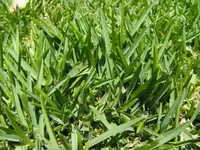
St. Augustine grass, Stenotaphrum secundatum, is a warm-season turf grass valued for forming a dense, coarse-textured lawn. It spreads by thick stolons that create a tight, carpet-like surface.
This species is naturally found in coastal and subtropical regions, including the southeastern United States and parts of the Caribbean. It tolerates heat, salt, and moderate shade better than many lawn grasses.
Growth is vigorous under warm conditions, but it can struggle in cold climates and may be prone to thatch and pest issues if poorly managed. To care for St. Augustine grass, focus on warm temperatures, even moisture, and well-drained soil.
Its robust habit makes it suitable for home lawns, parks, and coastal landscapes where a soft, walkable surface is desired.

Care Difficulty
Moderate Care

Light Preference
Full Sun

Water Requirements
Regular Water

Temperature Preference
Warm Climate

Hardiness Zone
8–11

Soil Texture
Sandy, Loamy, Organic-rich

Soil pH
Acidic (5.5–6.5), Slightly acidic (6.5–7.0)

Soil Drainage
Moist but well-drained

Fertilization
Moderate (every 2–4 weeks)
Scan your plant to receive care tips personalized for your specific plant
Available on iOS and Android
This warm-season turf prefers consistent sun but tolerates some shade in hot climates.
This grass performs best with steady soil moisture and occasional deeper watering.
This warm-season grass thrives in heat but is sensitive to cold and frost.
This turf grass handles a wide humidity range but performs best in moderately humid air.
Stenotaphrum secundatum prefers moderately fertile, well-aerated mineral soil that drains freely but does not dry out too fast.
This species can be grown in containers for turf trials, erosion control edges, or temporary patches if moisture is carefully managed.
Stenotaphrum secundatum benefits from modest, consistent nutrition during its active growing season.
Pruning for Stenotaphrum secundatum mainly means careful mowing and small-scale clean-up rather than structural cutting.
Transplanting Stenotaphrum secundatum focuses on moving sod or plugs rather than frequent container repotting.
Propagation of Stenotaphrum secundatum is most reliable from vegetative pieces rather than seed.
Stenotaphrum secundatum is a warm-season turf that goes dormant and browns in cool climates but usually needs limited winter care.

Plant Health Check
Not sure what's wrong with your plant? Check your plant's health inside the app.
This grass naturally occurs along warm maritime coasts and salt-influenced habitats, where it tolerates sandy, low-fertility soils better than many other turf species.
Its thick, somewhat succulent leaf tissues and dense stolons help it survive salt spray and occasional brackish water, which is why it is common on lawns near beaches in warm climates.
It spreads mainly by thick, aboveground stems called stolons that root at the nodes, forming a tight, interlocking mat that is effective at stabilizing soil and resisting wear in warm regions.

The species name secundatum refers to the way its spikelets (small flowering units) are arranged mostly on one side of the flowering axis, giving the inflorescence a characteristic one-sided appearance that helps botanists identify it in the field.
This species spreads laterally by stolons, forming a dense turf that can move into adjacent beds if not edged. It is vigorous but usually manageable with physical borders and regular edging rather than truly invasive behavior in maintained yards.
Keep your plants happy and healthy with plant identification, disease detection, and easy care guidance.


Achnatherum paradoxum
Achnatherum paradoxum
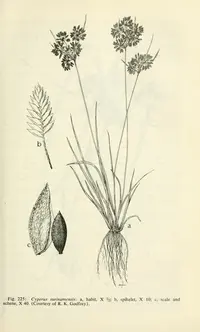
tropical flatsedge
Cyperus surinamensis

Achnatherum bromoides
Achnatherum bromoides
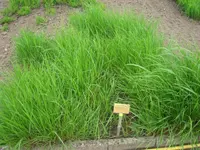
spear grass
Achnatherum calamagrostis

Achnatherum virescens
Achnatherum virescens
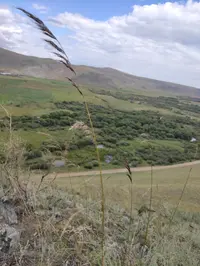
Achnatherum sibiricum
Achnatherum sibiricum
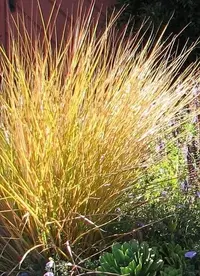
New Zealand Wind Grass
Anemanthele lessoniana
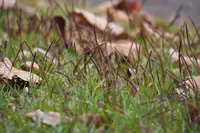
centipede grass
Eremochloa ophiuroides