


Encourage clump renewal
Every 3–4 years, divide the clumps in late winter or very early spring, replanting only the youngest, most vigorous sections to keep stands dense and upright when growing Achnatherum paradoxum.


Achnatherum paradoxum is a perennial bunchgrass valued for its fine texture and upright, clumping growth. It typically forms narrow, graceful tufts with airy flowering stems.
This species is native to arid and semi-arid regions, where it tolerates poor soils, wind, and temperature fluctuations. Its adaptability to tough conditions can make it a low-maintenance choice in suitable climates.
Gardeners who care for Achnatherum paradoxum usually succeed when they provide full sun, well-drained soil, and moderate to low moisture. Once established, it often requires minimal intervention beyond occasional cleanup of old foliage.

Care Difficulty
Moderate Care

Light Preference
Full Sun

Water Requirements
Low Water

Temperature Preference
Cold Hardy

Hardiness Zone
4–8

Soil Texture
Sandy, Loamy, Rocky

Soil pH
Slightly acidic (6.5–7.0), Neutral (7.0)

Soil Drainage
Well-drained

Fertilization
Minimal (feed rarely)
Scan your plant to receive care tips personalized for your specific plant
Available on iOS and Android
This sun-loving grass thrives in open, bright sites with consistent direct light.
This species prefers dry to moderately dry conditions and does poorly in consistently wet soil.
This cool- to warm-temperate grass handles a wide range of outdoor temperatures when drainage is good.
This grass tolerates a wide humidity range and usually does not need special humidity management outdoors.
Achnatherum paradoxum prefers lean, fast-draining mineral soils that do not stay wet after rain or irrigation.
This species can be grown in containers if the pot and substrate are managed to stay sharply drained and not waterlogged.
This drought-tolerant grass needs only modest feeding in average garden soil.
Pruning is mainly used to keep this grass tidy and to renew foliage.
This species is usually grown in the ground, with transplanting done infrequently and carefully.
Propagation is typically done by division rather than from seed for consistent plants.
This ornamental grass is generally cold hardy and needs minimal winter attention in suitable climates.

Plant Health Check
Not sure what's wrong with your plant? Check your plant's health inside the app.
This species is native to specific steppe and semi-arid regions of Central Asia, where it grows in open, wind-exposed habitats with low to moderate rainfall and often alkaline soils.
The grass produces delicate, nodding flowering panicles with very slender branches, an adaptation that allows spikelets to move freely in the wind and aid dispersal of the seeds.
Its tufted, bunch-forming habit and narrow leaves reduce evaporative water loss, contributing to good drought tolerance typical of continental steppe grasses and supporting practical Achnatherum paradoxum care in low-rainfall landscapes.
This grass has a moderate growth rate. In suitable conditions, it usually reaches close to mature size within 2–3 growing seasons, then slows, focusing energy on dense clump formation and seasonal foliage renewal.
Keep your plants happy and healthy with plant identification, disease detection, and easy care guidance.

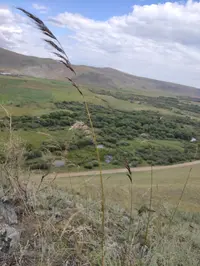
Achnatherum sibiricum
Achnatherum sibiricum
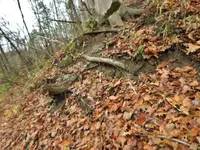
black-fruit mountain-ricegrass
Patis racemosa
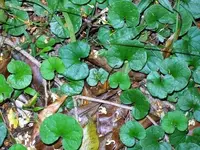
Kidney weed
Dichondra repens
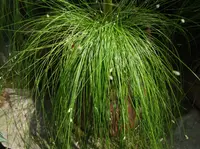
Slender Club-rush
Isolepis cernua
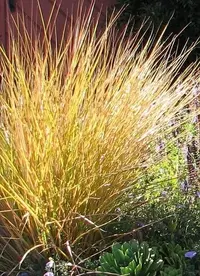
New Zealand Wind Grass
Anemanthele lessoniana

Achnatherum virescens
Achnatherum virescens
centipede grass
Eremochloa ophiuroides

Achnatherum bromoides
Achnatherum bromoides