Establishing clumps
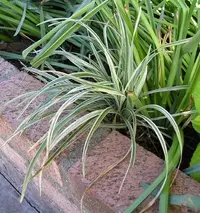
Sow or plant in small groups of 3–5 spaced 25–35 cm apart so the plants knit into a stable clump that stands better in wind and competes more effectively with weeds.

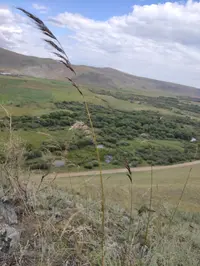
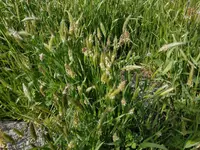
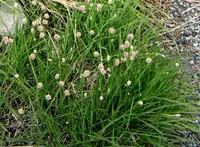
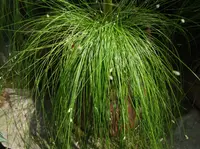
Achnatherum sibiricum is a perennial bunchgrass valued for its fine texture and upright, tufted growth. It forms narrow clumps with slender leaves and elegant flowering stems. The seed heads are airy and loose, giving a light, transparent look in mixed plantings. It is typically found in temperate grasslands and open habitats across parts of Eurasia. This species is generally hardy, drought tolerant once established, and prefers well-drained soils with full sun to light shade. These traits make it relatively low maintenance for gardeners who want to care for Achnatherum sibiricum in naturalistic borders, meadows, or prairie-style plantings.

Care Difficulty
Easy Care

Light Preference
Full Sun

Water Requirements
Low Water

Temperature Preference
Cold Hardy

Hardiness Zone
3–8

Soil Texture
Sandy, Loamy, Rocky

Soil pH
Slightly acidic (6.5–7.0), Neutral (7.0)

Soil Drainage
Well-drained

Fertilization
Minimal (feed rarely)
Scan your plant to receive care tips personalized for your specific plant
Available on iOS and Android
This cool-season grass prefers open, bright conditions in temperate climates.
This species prefers moderately dry, well-drained soil once established.
This hardy grass is adapted to continental climates with cold winters and warm summers.
This grass is highly tolerant of low humidity and rarely needs special moisture control outdoors.
This species prefers lean, well-drained mineral soils and is sensitive to waterlogging.
This species can grow in containers if the pot mimics a dry, free-draining site.
This cool-season grass is adapted to low-fertility soils, so Achnatherum sibiricum needs only light feeding in cultivation.
Pruning Achnatherum sibiricum is mainly about seasonal cleanup rather than shaping.
This species is most often grown in the ground; transplanting established Achnatherum sibiricum clumps needs planning to limit stress.
Propagation of Achnatherum sibiricum is commonly done by division or seed under suitable conditions.
This grass is cold hardy across much of the northern US and usually needs minimal winter attention.

Plant Health Check
Not sure what's wrong with your plant? Check your plant's health inside the app.
This species is a characteristic and often dominant bunchgrass in Eurasian forest-steppe and steppe communities, especially in Mongolia, northern China, and southern Siberia, where it helps define the structure of the grassland vegetation.
The grass tolerates long, cold winters and seasonal drought typical of continental climates, surviving by forming dense tussocks and maintaining growth mainly during the relatively short, favorable growing season.
It is widely recognized in rangeland science as a valuable forage grass for livestock in Eurasian steppe regions, contributing significantly to grazing systems when not overgrazed.
This grass has a moderate growth rate. In suitable outdoor conditions it usually establishes within 1–2 seasons, then slowly thickens into clumps rather than racing upward or spreading aggressively.
Keep your plants happy and healthy with plant identification, disease detection, and easy care guidance.