Staggered Succession Sowing
Sow small batches of seed every 2–3 weeks in early spring to keep a continuous stand of fresh, upright foliage rather than one dense, aging clump that flops and sets seed all at once.

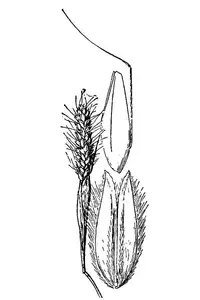
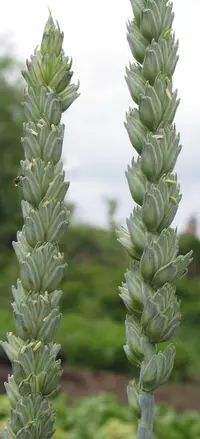
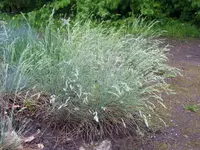
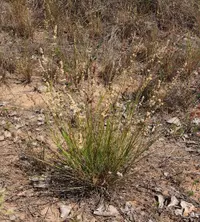
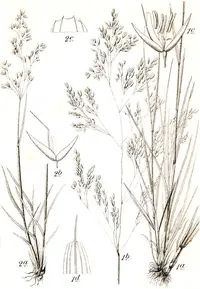
Pacific foxtail (Alopecurus saccatus) is an annual bunchgrass native to western North America, often found in moist meadows, seasonal wetlands, and along stream banks. It forms soft clumps with slender, upright stems topped by dense, brush-like flower spikes that resemble a fox’s tail.
This grass typically grows in open, sunny to lightly shaded sites where soil stays seasonally damp but not waterlogged. It reseeds easily in suitable conditions, which can make it simple to maintain once established.
For gardeners, the main considerations when learning how to care for Pacific foxtail are providing enough moisture during its growth period and avoiding very dry, compacted sites.

Care Difficulty
Easy Care

Light Preference
Full Sun

Water Requirements
Regular Water

Temperature Preference
Cool Climate

Hardiness Zone
7–10

Soil Texture
Sandy, Loamy, Silty

Soil pH
Slightly acidic (6.5–7.0), Neutral (7.0)

Soil Drainage
Moist but well-drained

Fertilization
Minimal (feed rarely)
Scan your plant to receive care tips personalized for your specific plant
Available on iOS and Android
This annual grass prefers bright conditions with moderate direct sun exposure for best growth.
This species thrives in moisture-retentive soils that do not stay waterlogged for long periods.
This cool-season grass prefers mild conditions and does most of its growth in cooler months.
Humidity is rarely a limiting factor for Alopecurus saccatus in typical outdoor conditions.
Alopecurus saccatus prefers moist, loose mineral soils that stay aerated yet do not dry out quickly.
This grass can be grown in containers for short-term display or habitat plantings if moisture is carefully managed.
This native annual grass usually grows well in average soil, so Pacific foxtail care instructions focus on light feeding rather than heavy fertilization.
Pruning Alopecurus saccatus is mainly about tidiness and maintaining healthy, upright clumps.
This annual grass is more often transplanted in garden beds than kept long term in containers.
Alopecurus saccatus is most commonly propagated from seed rather than division or cuttings.
This cool-season annual is generally winter-hardy in mild regions and needs minimal special care.

Plant Health Check
Not sure what's wrong with your plant? Check your plant's health inside the app.
This species is one of the first native grasses to complete its life cycle in many California grasslands, often flowering and setting seed before summer drought intensifies.
It commonly occurs around the margins of seasonal vernal pools and other temporary wet sites, where it is adapted to grow rapidly as soils shift from saturated in winter to drying in late spring.
The flowering heads form dense, soft, foxtail-like spikes whose fine bristles help the seeds catch on fur and clothing, aiding short-distance dispersal in open grassland habitats.
This grass is typically an annual, completing its life cycle in one growing season. It relies on reseeding to return each year. In suitable habitats, seedlings can appear densely, giving the impression of a longer-lived clump.
Keep your plants happy and healthy with plant identification, disease detection, and easy care guidance.