Allow for arching
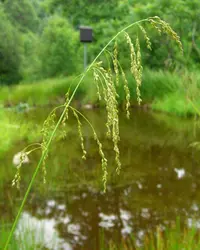
Space plants so the flowering stems can arch naturally without crowding, leaving 45–60 cm around each clump to prevent lodging and to show the fountain shape clearly.

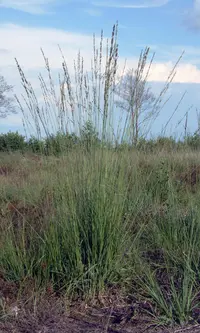
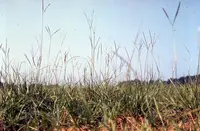
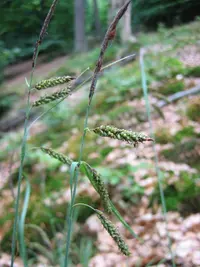
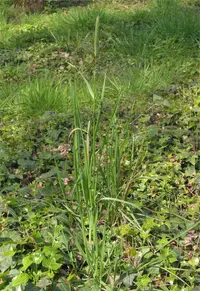
Purple moorgrass, Molinia caerulea, is a perennial ornamental grass valued for its fine texture and changing seasonal color. It forms upright clumps with slender stems and airy flower panicles that sway above the foliage.
This grass is native to moorlands and damp meadows across Europe and parts of western Asia, so it is naturally adapted to cool, open landscapes. It is generally low maintenance once established, but needs consistent moisture and prefers sun to light shade and moderately fertile, well-drained soil.
Its tidy clump-forming habit, hardiness, and resistance to most pests make it straightforward for gardeners who want to learn how to care for purple moorgrass without complex routines.

Care Difficulty
Easy Care

Light Preference
Full Sun

Water Requirements
Moderate Water

Temperature Preference
Cold Hardy

Hardiness Zone
4–8

Soil Texture
Loamy, Peaty, Organic-rich

Soil pH
Strongly acidic (4.5–5.5), Acidic (5.5–6.5)

Soil Drainage
Moist but well-drained

Fertilization
Minimal (feed rarely)
Scan your plant to receive care tips personalized for your specific plant
Available on iOS and Android
Molinia caerulea grows best in open, bright conditions with some protection from intense afternoon sun.
Molinia caerulea prefers evenly moist, not waterlogged, soil that is allowed to dry slightly between waterings.
This hardy grass tolerates a wide temperature range but grows most actively in mild conditions.
Humidity is not a major concern for Molinia caerulea in typical outdoor conditions.
Molinia caerulea prefers consistently moist, nutrient-rich soil that does not stay waterlogged.
This species can be grown in containers, but only large, stable pots provide suitable long-term conditions.
This grass is low maintenance and needs only modest feeding for best growth.
Molinia caerulea benefits from simple, well-timed pruning to keep the clump tidy and long-lived.
This species is most often grown in the ground; focus on careful transplanting rather than frequent repotting.
Molinia caerulea is most reliably propagated by division, with seed used mainly for larger-scale growing.
This cool-season grass is generally cold hardy and needs minimal winter care in most temperate gardens.

Plant Health Check
Not sure what's wrong with your plant? Check your plant's health inside the app.
This grass is naturally dominant in wet, acidic habitats such as bogs, heaths, and moorlands across much of Europe, where it can tolerate low nutrient levels that many other plants cannot handle.
The foliage typically emerges green to bluish-green in spring, then many forms turn golden-yellow to orange in autumn, creating a strong seasonal color contrast in its native moorland landscapes.
In upland moors, its dense tussocks help structure the vegetation, influence small-scale water flow, and provide cover for invertebrates and ground-nesting birds.

Molinia caerulea can form extensive, long-lived tussocks that remain in the same spot for decades, gradually building small raised hummocks that change the local microtopography of moorland and bog ecosystems.
This species forms tight, non-running clumps and spreads slowly outward over time. It does not produce invasive rhizomes. Clumps can be divided every few years if space or rejuvenation is needed.
Keep your plants happy and healthy with plant identification, disease detection, and easy care guidance.