Early weed suppression
Establish a dense stand by shallow-cultivating and removing competing weeds in the first 1–2 seasons, since young plants are slow to claim space and can be outcompeted without this early intervention.

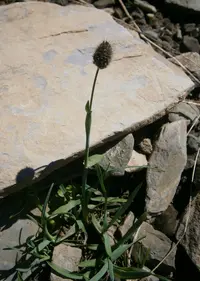
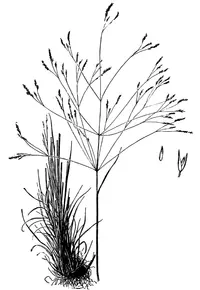
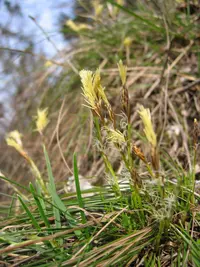
Alopecurus gerardii is a perennial grass species, forming loose to dense clumps with fine leaves and narrow, soft-looking flower spikes. It has a modest, meadow-like appearance rather than a bold ornamental look.
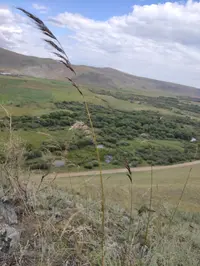
This species is native to parts of Eurasia, where it typically grows in moist grasslands and open habitats. Its growth habit is generally upright and tidy, making it relatively easy to manage in garden borders or naturalistic plantings.
Most gardeners find it straightforward to care for Alopecurus gerardii as long as it receives adequate moisture and is planted in reasonably fertile, well-drained soil with good light.

Care Difficulty
Easy Care

Light Preference
Full Sun

Water Requirements
Regular Water

Temperature Preference
Cold Hardy

Hardiness Zone
4–8

Soil Texture
Sandy, Loamy, Silty

Soil pH
Acidic (5.5–6.5), Slightly acidic (6.5–7.0)

Soil Drainage
Moist but well-drained

Fertilization
Minimal (feed rarely)
Scan your plant to receive care tips personalized for your specific plant
Available on iOS and Android
This cool-season grass prefers bright outdoor conditions with protection from extreme heat.
This grass prefers evenly moist soil but does not tolerate waterlogged conditions.
This species handles a wide range of outdoor temperatures but grows best in cool to mild conditions.
This grass is largely indifferent to humidity and grows well in typical outdoor air conditions.
This species prefers moist, well-drained mineral soils that do not stay waterlogged.
This species can be grown in containers outdoors if the pot and medium prevent waterlogging.
This native grass usually thrives in average soil and only needs light feeding in lean or heavily used sites.
Pruning needs are minimal and mainly focus on tidiness and maintaining stand vigor.
This grass is usually grown in the ground; transplanting focuses on dividing mature clumps rather than container repotting.
Propagation is straightforward and most reliable by division, with seed used where larger areas need establishing.
This cool-season grass is generally cold hardy and requires little special winter care in most temperate climates.

Plant Health Check
Not sure what's wrong with your plant? Check your plant's health inside the app.
This species occurs mainly in damp meadows, fens, and other wet grasslands, showing a clear preference for moist, base-rich soils rather than drier, nutrient-poor habitats.
It is native to parts of central and western Europe, but has a scattered, local distribution and is often absent from large areas where related Alopecurus species are common.
Compared with close relatives such as Alopecurus pratensis, it occupies a narrower ecological niche, often confined to traditional low-intensity grasslands that have not been heavily fertilized or drained.
This grass is a perennial, returning from its root system each year after winter. Clumps often expand slowly over time, forming denser tufts rather than needing re-sowing, provided site and moisture conditions remain suitable.
Keep your plants happy and healthy with plant identification, disease detection, and easy care guidance.