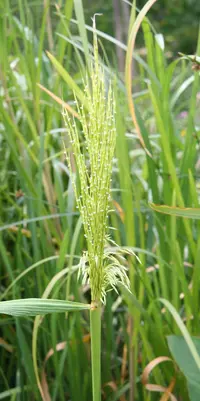
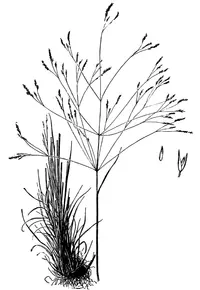
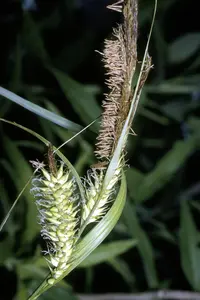
elegant hair grass Care (Aira elegans)

elegant hair grass

About elegant hair grass

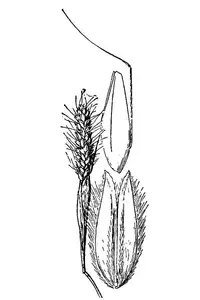
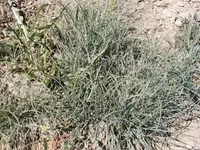
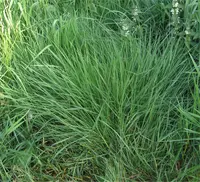
Elegant hair grass, Aira elegans, is a fine-textured annual grass valued for its light, airy seed heads. It forms delicate, tufted clumps with slender stems and very narrow leaves.

In the wild it is native to Mediterranean and nearby regions, often found in dry, open grasslands and rocky slopes. Its graceful, cloud-like flower panicles make it popular in ornamental borders and dried arrangements.

This species prefers sun, relatively dry conditions, and well-drained, often sandy or poor soil. Once the basic site conditions are met, it is generally uncomplicated to care for elegant hair grass.

Main Plant Requirements

Care Difficulty

Moderate Care

Light Preference

Partial Sun

Water Requirements

Moderate Water

Temperature Preference

Cool Climate

Hardiness Zone

6–9

Soil Texture

Sandy, Loamy, Organic-rich

Soil pH

Acidic (5.5–6.5), Slightly acidic (6.5–7.0)

Soil Drainage

Moist but well-drained

Fertilization

Minimal (feed rarely)

Get Personalized Care Plan

Scan your plant to receive care tips personalized for your specific plant

Available on iOS and Android

How to Care for the elegant hair grass

This fine-textured grass prefers bright, gentle light and avoids harsh midday exposure.

  • Provide 4–6 hours of sun daily, best as morning sun with light afternoon shade, to keep foliage compact and upright.
  • Tolerates partial shade, but in sites with less than 3–4 hours of sun, stems of elegant hair grass may stretch and flower less.
  • In hot summers, use dappled or filtered light during midday to reduce leaf scorch and drying of shallow roots.

This grass prefers evenly moist but not saturated soil, especially during active growth.

  • Allow the top 2–3 cm of soil to dry slightly between waterings, then water enough to moisten the root zone without leaving standing water.
  • In cooler seasons or during dormancy, reduce watering frequency, using slower growth and consistently damp soil as signals to wait longer.
  • Watch for pale, crisp leaf tips as a sign of underwatering, and for yellowing, soft bases or a sour smell as early overwatering indicators.

This species prefers mild conditions and does best without temperature extremes.

  • Optimal growth occurs at 60–75°F (16–24°C), which supports steady foliage and flowering without stress.
  • It tolerates down to about 25–28°F (-4 to -2°C) for short periods, but repeated hard frosts can damage fine leaves and flowering stems.
  • In hot spells above 85°F (29°C), provide partial shade and ensure soil does not dry out completely to reduce heat stress.

This grass handles a wide humidity range but grows best with moderate air moisture.

  • Aim for 40–60% humidity, similar to most living spaces, for steady foliage growth.
  • It tolerates short dry spells, but prolonged very dry air can cause browning tips and finer leaves to crisp.
  • Increase humidity around elegant hair grass by grouping pots, placing trays with water and pebbles nearby, or running a small humidifier.

Aira elegans prefers light, free-draining soil that stays slightly moist but never waterlogged.

  • Use a mix of 50–60% loam or all-purpose potting mix with 20–30% coarse sand and 10–20% fine gravel or perlite for structure and drainage.
  • Ensure the soil is friable, meaning it crumbles easily, so roots receive both air and consistent moisture.
  • A slightly acidic to neutral pH around 6.0–7.0 supports nutrient uptake without causing micronutrient lockout.
  • Avoid heavy clay, compacted ground, or mixes rich in unamended peat that hold water and exclude air around the roots.

This species is well suited to container growing for edging, seasonal displays, or small spaces.

  • Choose a wide, shallow pot so the fibrous roots can spread laterally without holding excess wet substrate at depth.
  • Select a heavier material, such as ceramic, to prevent lightweight clumps from toppling in wind or when foliage flops outward.
  • Elevate the container slightly on feet or spacers so drainage holes stay clear and water does not pool under the base.

Aira elegans grows best in moderately fertile soil and benefits from light, controlled feeding in containers or poor ground.

  • Use a balanced, diluted liquid fertilizer (for example 10-10-10 at 1/4–1/2 strength) for potted plants during active spring–summer growth.
  • Feed every 4–6 weeks if growth looks weak or foliage pales, skipping feeds when growth is strong in rich soil.
  • Avoid heavy compost or high-nitrogen products that cause floppy, lush foliage instead of fine, airy tufts.
  • Stop feeding in fall and winter, as low light and cooler temperatures slow growth and excess nutrients may damage roots.

Pruning Aira elegans is light and mainly cosmetic, aimed at keeping the clump tidy and encouraging fresh growth.

  • Best time is late winter or very early spring before new shoots extend, so old foliage does not shade emerging blades.
  • Shear or snip back spent flower stems and dry tops to 5–10 cm above the crown using clean scissors or hand shears.
  • Remove dead, damaged, or crowded tufts from the clump center to maintain air flow and a fine, arching habit.
  • Avoid cutting into the crown itself; leave some green tissue so the plant can photosynthesize and recover quickly.

This fine grass is usually grown in borders or gravel gardens, so management focuses more on transplanting than indoor repotting.

  • Transplant or divide in early spring or early fall when temperatures are mild and soil is moist but not waterlogged.
  • Look for clumps that thin in the center, show slow growth, or have roots circling a container drainage hole as signs they need attention.
  • Lift the plant carefully with a hand fork, tease apart the root mass into smaller sections, and replant at the same depth in free-draining soil.
  • Water thoroughly after transplanting, then keep evenly moist for 1–2 weeks, shading lightly in hot sun to limit root stress and leaf scorch.

Aira elegans is commonly propagated by division or seed, which suits its fine, tufted growth habit.

  • Divide well-established clumps in early spring or early fall, when soil is cool and plants are not in peak heat stress.
  • Lift the clump, then gently pull or cut it into small sections, each with healthy roots and several shoots, and replant immediately.
  • Sow fresh seed on the surface of fine, free-draining mix in spring, pressing lightly without deep covering because seeds need light to germinate.
  • Maintain 60–70°F, bright indirect light, and evenly moist (not soggy) medium until seedlings form stable root systems for planting out.

This small ornamental grass is generally hardy in mild to moderate winters and needs only minimal winter attention in the ground.

  • In climates with frost, allow top growth to brown naturally, which helps insulate the crown through cold spells.
  • Apply a thin mulch layer around, not over, the crown to buffer soil temperature while avoiding rot at the growing point.
  • For containers, move pots to a sheltered, unheated spot such as a cold frame or against a house wall to reduce freeze–thaw stress.

Care Tips

Shear For Renewal

Cut the clumps back by about one-third with clean shears immediately after flowering to remove spent seed stems, refresh the foliage, and keep the mound compact rather than floppy.

Staggered Replanting

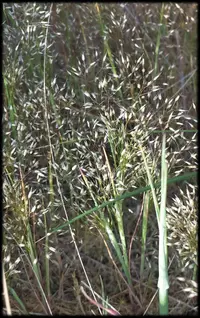
Lift and divide a portion of older clumps every 2–3 years, then replant small divisions at slightly different spacings to maintain an airy, natural look and avoid bare patches as older centers thin out.

Prevent Self-Seeding

In small or mixed plantings, remove the majority of flower heads as they fade and leave only a few to mature if you want seed, which prevents unwanted spread into nearby beds and paving joints.

Support In Windy Sites

In exposed spots, plant in front of low edging or among sturdier perennials so the fine stems have light shelter, reducing lodging (bending over) during strong wind or heavy rain.

Use Breathable Mulch

Apply a very thin layer of fine gravel or coarse sand around, but not over, the crowns to suppress splash-borne fungal spores and keep the basal foliage drier, which is particularly helpful when caring for elegant hair grass in wetter climates.

Common Pests and Diseases

Rust

This disease causes small orange, brown, or yellow pustules on leaves and stems, often leading to premature leaf drying. Symptoms include reduced vigor and a thin, patchy appearance of the grass clump.

Solution

Remove and discard affected foliage promptly and avoid overhead watering to keep leaves as dry as possible. Improve air circulation, reduce crowding, and if needed apply a sulfur or chlorothalonil-based fungicide labeled for ornamental grasses, following label directions carefully.

Powdery mildew

This disease appears as a white, powdery film on leaf surfaces, which can cause yellowing and reduced growth under humid, stagnant conditions. Symptoms include distorted or stunted blades in severe cases.

Solution

Increase airflow around the plant, thin overly dense clumps, and water at the base rather than on foliage. In persistent cases, use a potassium bicarbonate or neem oil product approved for ornamental grasses, applying in the early morning and repeating as directed on the label.

Leaf spot

This disease produces small brown or purplish spots that may merge into larger patches, giving foliage a scorched look. Symptoms include early dieback of older leaves, especially in warm, moist weather or poorly drained sites.

Solution

Trim and dispose of spotted leaves to reduce fungal spores, and avoid leaving wet foliage overnight by watering early in the day. Improve drainage and spacing, and where needed apply a grass-safe fungicide containing azoxystrobin or chlorothalonil according to label instructions.

Aphids

These insects cluster on tender stems and leaf bases, sucking sap and causing curling, yellowing, and general weakening of the plant. This pest may also leave sticky honeydew that encourages sooty mold growth on nearby surfaces.

Solution

Rinse colonies off with a firm stream of water and pinch back heavily infested shoots. If populations persist, use insecticidal soap or a light horticultural oil, ensuring thorough coverage of leaf bases and repeating applications as indicated on the product label.

Spider mites

These pests feed on leaf tissue, creating fine stippling, pale patches, and in severe cases fine webbing between blades, especially in hot, dry conditions. This pest can cause a dull, dusty look and gradual thinning of clumps.

Solution

Increase ambient humidity around the plant, regularly hose down foliage to dislodge mites, and avoid prolonged drought stress. For ongoing infestations, apply insecticidal soap or a miticide labeled for ornamental grasses, treating both sides of the foliage and repeating at intervals specified on the label.

Interesting Facts

Short-lived annual habit

Aira elegans is a true annual grass that completes its entire life cycle in a single growing season, germinating, flowering, and setting seed before dying back each year.

Delicate open panicles

This species produces very fine, airy flower heads on slender stems, creating a light, mist-like effect that has led to its use as a filler grass in ornamental plantings and cut arrangements.

Preference for light soils

In its native Mediterranean-type habitats, Aira elegans typically establishes on sandy or gravelly, low-nutrient soils, where competition from more robust grasses is reduced.

FAQs about elegant hair grass

Brown leaf tips usually come from underwatering, hot dry wind, or excess fertilizer salts. Check soil moisture, flush the pot occasionally, and protect from harsh exposure. Old leaves also brown naturally as new growth replaces them.

Grow Healthy Plants with Botan Care

Keep your plants happy and healthy with plant identification, disease detection, and easy care guidance.

Botan plant care app — identify plants on mobile

Explore More Plants