Controlled mowing height
Maintain a mowing height of 5–8 cm and avoid scalping, which preserves tiller density and helps rough bentgrass outcompete weeds on poor or disturbed soils.

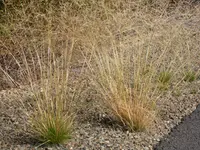
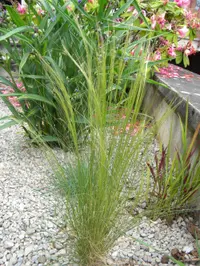
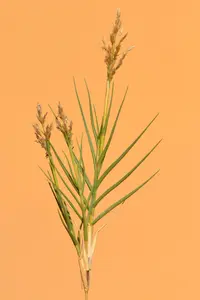
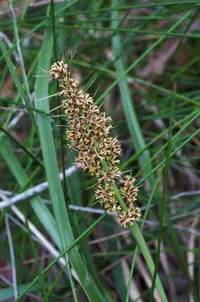
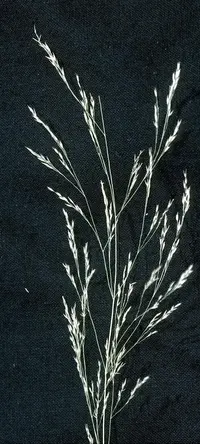
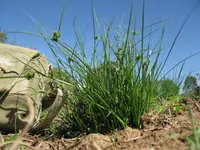
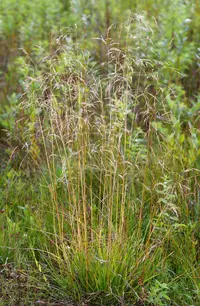
Rough bentgrass (Agrostis scabra) is a cool-season, tuft-forming grass known for its fine leaves and upright, airy seed heads. It often appears in open, low-fertility sites. Native to North America, it grows in meadows, disturbed ground, and sometimes in rocky or sandy soils where other grasses struggle. This adaptability makes it useful in naturalistic plantings and restoration projects. The plant tolerates poor soils and variable moisture but prefers consistent light and reasonably well-drained conditions. For gardeners who want to care for rough bentgrass, its main challenge is avoiding overfertilization and excessive competition from more vigorous species.

Care Difficulty
Moderate Care

Light Preference
Full Sun

Water Requirements
Moderate Water

Temperature Preference
Cold Hardy

Hardiness Zone
2–8

Soil Texture
Sandy, Loamy, Rocky

Soil pH
Acidic (5.5–6.5), Slightly acidic (6.5–7.0)

Soil Drainage
Well-drained

Fertilization
Minimal (feed rarely)
Scan your plant to receive care tips personalized for your specific plant
Available on iOS and Android
This cool-season grass thrives in open, bright sites that mimic upland meadows and rocky slopes.
This species prefers consistently moist, not saturated, soil and adapts better to dryness than to prolonged wetness.
This grass is naturally cold-tolerant and suited to climates with cool summers and cold winters.
This grass tolerates a wide humidity range and rarely needs special humidity management.
This grass prefers lean, gritty soils that drain quickly and do not stay wet.
This species can be grown in containers if the pot and medium are chosen to prevent waterlogging.
This tough native grass needs only light feeding, as rough bentgrass naturally thrives in low-nutrient soils.
Agrostis scabra benefits from periodic cleanup rather than frequent shaping cuts.
Transplanting matters more than repotting, since this grass is usually grown in the ground rather than containers.
This species is commonly propagated from seed or by division of established clumps of Agrostis scabra.
This cool-season grass is generally cold hardy and needs little winter care once established in the ground.

Plant Health Check
Not sure what's wrong with your plant? Check your plant's health inside the app.
This species naturally occurs near the upper vegetation limits on high mountains in North America, tolerating cold, thin air and intense UV that exclude many other grasses.
Rough bentgrass colonizes nutrient-poor, disturbed, or sandy substrates, including mine spoils and road cuttings, where its fine root system helps stabilize soil and begin early succession.
It is native across much of North America, from lowlands to subalpine zones, showing substantial ecological plasticity in moisture, temperature, and soil conditions.

Rough bentgrass was one of the few vascular plants documented growing on volcanic ash and debris soon after major eruptions such as Mount St. Helens, highlighting its exceptional ability to establish in freshly disturbed, nearly plant-free landscapes.
This species has a moderate growth rate. It establishes faster than many bunchgrasses on disturbed, sandy, or gravelly soils but is slower than typical lawn grasses. Cooler temperatures and lean soils keep growth in check.
Keep your plants happy and healthy with plant identification, disease detection, and easy care guidance.