Mowing Height Management
Maintain a regular mowing height of 5–7.5 cm and never remove more than one-third of the leaf blade at a time to keep the plant dense, reduce stress, and limit weed invasion.

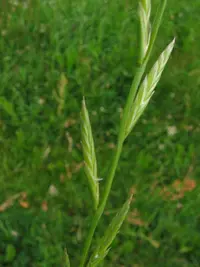
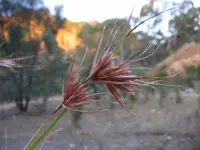
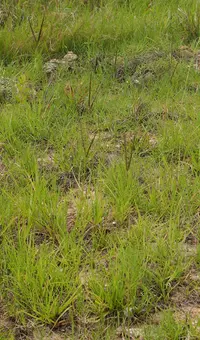
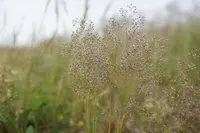
Italian rye grass, Lolium multiflorum, is a fast-growing cool-season grass often used for lawns, overseeding, forage, and erosion control. It forms dense, bright green clumps and can create a quick, soft turf. Plants typically grow upright with narrow, glossy leaves and fine to medium texture.
This species is native to Europe but is now widely naturalized in many temperate regions. It is valued for rapid establishment, resilience to mowing, and good recovery after wear, which makes it relatively simple to manage once established.
It prefers full sun, consistent moisture, and well-drained, moderately fertile soil, which helps when learning how to care for Italian Rye Grass.

Care Difficulty
Easy Care

Light Preference
Full Sun

Water Requirements
Regular Water

Temperature Preference
Cool Climate

Hardiness Zone
3–9

Soil Texture
Sandy, Loamy, Clay

Soil pH
Acidic (5.5–6.5), Slightly acidic (6.5–7.0)

Soil Drainage
Moist but well-drained

Fertilization
Moderate (every 2–4 weeks)
Scan your plant to receive care tips personalized for your specific plant
Available on iOS and Android
This cool-season grass prefers full sun but tolerates some shade, especially in warmer regions.
This species prefers consistently moist, well-drained soil and reacts quickly to both drought and saturation.
This cool-season grass grows best in mild conditions and declines in extreme heat or severe cold.
Humidity is not a critical factor for Lolium multiflorum, which adapts well to typical outdoor conditions.
Lolium multiflorum prefers moderately fertile, well-structured soil that stays evenly moist but not saturated.
This grass can be grown in containers if moisture and root space are managed carefully.
Lolium multiflorum responds well to moderate, targeted feeding during active growth for dense, green foliage.
Pruning Lolium multiflorum focuses on mowing and cleanup to maintain dense, healthy turf.
Lolium multiflorum is most often grown in the ground, with transplanting focused on establishing new lawn or forage areas.
Lolium multiflorum is commonly propagated from seed for lawns, cover crops, and forage stands.
Lolium multiflorum is cool-season and moderately cold hardy, so most plantings need minimal winter care in temperate climates.

Plant Health Check
Not sure what's wrong with your plant? Check your plant's health inside the app.
Italian ryegrass is a short-lived, cool-season bunchgrass typically persisting for only 1–2 years, which makes it useful as a temporary forage or cover rather than a long-term pasture species.
This species germinates and establishes quickly, producing high-quality forage within a few weeks under suitable moisture and temperature, so it is widely used to fill seasonal feed gaps for livestock.
Italian ryegrass is frequently used as a winter cover crop in cropping systems because its dense root system stabilizes soil and its aboveground biomass helps capture residual nitrogen, reducing nutrient losses between cash crops.

Italian ryegrass is one of the main grass species in which herbicide resistance has repeatedly evolved in agricultural fields worldwide, making it a well-studied model for understanding how weed populations adapt genetically to intensive herbicide use.
This grass germinates quickly, often within 5–10 days in suitable conditions, and can reach mowing height in 3–4 weeks. With regular moisture and nutrients, it is considered a fast-establishing cool-season species.
Keep your plants happy and healthy with plant identification, disease detection, and easy care guidance.