kangaroo grass Care (Themeda triandra)

Also known as: Red grass, Spurned Grass, Red Grass / Kangaroo Grass, Angle Grass, Red Oat Grass
kangaroo grass

About kangaroo grass

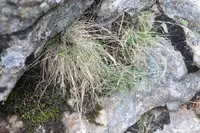
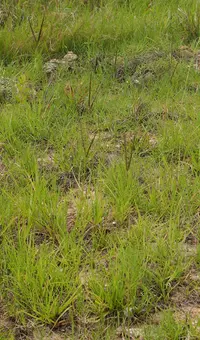
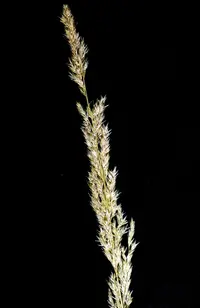
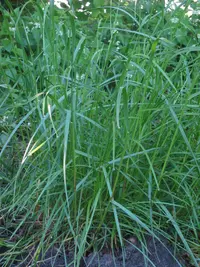
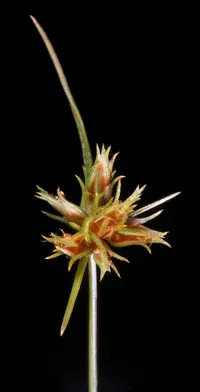
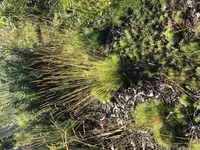
Kangaroo grass, Themeda triandra, is a warm-season perennial bunchgrass valued for its fine texture and graceful, arching foliage. It forms loose clumps with narrow leaves that can take on bronze or reddish tones, especially in sunnier, drier sites. Tall, decorative flower stems with distinctive, tufted seed heads add movement and seasonal interest. This grass is native to Africa, Asia, and Australia and adapts well to dry, open habitats such as grasslands and savannas. It is generally drought tolerant and low maintenance once established, which makes it suitable for naturalistic plantings and low-input landscapes. In gardens, it responds best to full sun, well-drained soil, and moderate to low watering, and these traits simplify how to care for kangaroo grass.

Main Plant Requirements

Care Difficulty

Easy Care

Light Preference

Full Sun

Water Requirements

Low Water

Temperature Preference

Warm Climate

Hardiness Zone

8–11

Soil Texture

Sandy, Loamy, Clay

Soil pH

Acidic (5.5–6.5), Slightly acidic (6.5–7.0)

Soil Drainage

Well-drained

Fertilization

Minimal (feed rarely)

Get Personalized Care Plan

Scan your plant to receive care tips personalized for your specific plant

Available on iOS and Android

How to Care for the kangaroo grass

Themeda triandra prefers full sun and forms its best clumps with strong, consistent light exposure.

  • Aim for 6–8 hours of direct sun daily; kangaroo grass handles intense midday sun once established, especially in open prairie or meadow plantings.
  • In hotter regions, light morning sun plus bright afternoon exposure with minimal shade reduces leaf scorch while maintaining dense growth.
  • Too much shade (under 4 hours direct sun) leads to floppy stems and poor flowering; choose the sunniest site available, especially in spring and early summer.

This warm-season grass prefers drier conditions and is adapted to periodic drought once established.

  • Allow the top 5–8 cm of soil to dry between waterings; in the ground this often means deep but infrequent watering guided by soil feel, not a fixed schedule.
  • During the first growing season, water after hot, dry spells when foliage starts to lose stiffness or curl slightly, then reduce inputs as roots deepen.
  • Ensure sharply draining soil so water does not sit around roots; yellowing, limp foliage and a sour soil smell indicate overwatering or poor drainage for Themeda triandra.

This species is a warm-season grass that grows most actively in mild to hot weather.

  • Optimal growth occurs around 70–90°F (21–32°C), when soil is warm and nights stay consistently above 55°F (13°C).
  • Mature plants tolerate heat up to about 100–105°F (38–41°C) if soil is not waterlogged, often going partially dormant in extreme summer but regrowing when stress eases.
  • It survives short dips to about 15–20°F (-9 to -6°C) once established, but repeated hard frosts may burn foliage, which can be cut back and allowed to reshoot in spring.

Humidity is rarely critical for Themeda triandra, which naturally thrives in dry, open habitats.

  • Target 30–50% humidity, matching typical indoor or outdoor air in most homes and gardens.
  • The grass tolerates dry air well; humidity stress usually appears only with prolonged hot, stagnant conditions.
  • Humidity stress shows as browning leaf tips combined with heat; improve air movement rather than misting, which offers little benefit.

Themeda triandra prefers lean, well-drained mineral soils that do not stay wet for long.

  • Use a sandy or gritty loam with low to moderate organic content to mimic its native grassland conditions.
  • Ensure very sharp drainage; mix roughly 60–70% sand or fine grit with 30–40% composted material.
  • Aim for slightly acidic to neutral pH, roughly 6.0–7.2, which supports stable growth without excess nutrient uptake.
  • Avoid heavy clay, waterlogged sites, or thick peat mixes that hold water and restrict root aeration, leading to rot.

This grass can grow in containers if the pot is set up to stay stable and drain quickly.

  • Choose a wide, relatively deep container to anchor the arching clumps and prevent the plant from toppling in wind.
  • Use a heavier material like ceramic or concrete outdoors to keep tall, mature clumps from shifting or blowing over.
  • Raise the pot on feet or bricks so drainage holes never sit in collected runoff, preventing chronic wetness at the root zone.

This native grass thrives in lean soils, so kangaroo grass usually needs minimal fertilization.

  • If growth is very weak, apply a light dressing of compost or well-rotted manure in early spring.
  • For containers, use a low-strength balanced NPK or slow-release fertilizer at 1/2–1/4 label rate once in spring.
  • Avoid high-nitrogen products, which cause floppy growth and reduce drought tolerance.
  • Do not feed in fall or winter, when growth is slow or dormant.

Pruning Themeda triandra is mainly done to maintain tidy clumps and encourage fresh growth.

  • Cut back old flower stalks and dead foliage in late winter or very early spring before new shoots emerge.
  • Remove damaged, diseased, or badly lodged stems at the base using clean, sharp shears.
  • Thin crowded clumps by taking out a few older sections to improve air flow and reduce fungal issues.
  • Avoid cutting into new green shoots during the growing season to maintain the plant’s shape and vigor.

This species is more often transplanted in the landscape than kept as a long-term container plant.

  • Transplant in early to mid-spring when soil is workable and new growth is just starting.
  • Look for signs such as dense root mats, roots circling the pot, or stalled growth to decide when to move container plants.
  • Divide and replant overgrown clumps every 3–5 years, re-establishing them at the same soil depth in well-drained ground.
  • Water deeply after transplanting and keep soil evenly moist for 2–3 weeks to limit root stress and improve establishment.

Themeda triandra is commonly propagated by seed or by division of established clumps.

  • Sow fresh seed in late winter to early spring in a free-draining mix, barely covering the seed.
  • Maintain gentle warmth (65–75°F), good light, and consistent but not wet moisture until germination.
  • For division, lift mature clumps in early spring and split into sections with healthy shoots and roots.
  • Replant divisions promptly, firming soil around roots and watering well to encourage quick establishment.

This warm-season grass is fairly cold hardy and usually needs minimal winter care in mild to moderate climates.

  • Tolerates light to moderate frost once established, though foliage may brown and die back.
  • Leave dry stems standing over winter in colder areas to shield crowns, cutting back in late winter.
  • In zones with severe freezing, apply a 5–8 cm mulch around the root zone after the ground cools.
  • Container plants in very cold regions can be overwintered in a cool, bright, frost-free spot.

Care Tips

Controlled clump renewal

Every 3–4 years, slice and remove the oldest, most woody center of the clump in late winter, then backfill with fresh sandy soil to keep plants vigorous and prevent lodging (flopping).

Seed head management

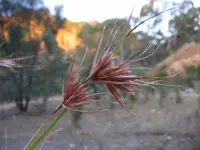
If self-seeding is a problem, cut and remove seed heads as they turn from green to straw-colored, leaving some stems at the back or in a separate area if you want to collect seed for controlled sowing.

Wind-hardened growth

Expose young plants to increasing levels of wind over 2–3 weeks or use low, temporary mesh fencing so the foliage flexes without tearing, which promotes stronger, more wind-resistant stems when growing kangaroo grass in exposed sites.

Low-input weed control

Use a 5–8 cm band of coarse gravel or stone mulch around, but not touching, the clump base to suppress broadleaf weeds while avoiding excess moisture around crowns, which this species dislikes.

Firewise biomass reduction

In fire-prone regions, cut back and remove dry foliage and thatch in late winter rather than letting it accumulate, which reduces fuel load while still aligning with Themeda triandra care needs for periodic renewal.

Common Pests and Diseases

Armyworms

This pest feeds on foliage and can quickly create ragged, chewed leaves and thinning clumps, especially in warm, open sites or pasture settings.

Solution

Monitor the grass in late summer and early fall for fresh chewing damage and caterpillars, then spot-treat with a Bacillus thuringiensis (Bt) product or spinosad in the evening and encourage natural predators by avoiding broad-spectrum insecticides.

African black beetle

This pest attacks roots and crowns, so symptoms include patchy dieback, loose plants that lift easily, and poor regrowth after grazing or mowing.

Solution

Inspect the soil around declining plants for white grubs, hand-remove when numbers are low, reduce thatch and excess organic matter that shelter adults, and if needed apply a targeted lawn grub control product labeled for black beetle during peak larval activity.

Rust

This disease causes orange to brown powdery pustules on leaves, leading to yellowing, premature leaf death, and reduced vigor under humid or crowded conditions.

Solution

Remove and dispose of heavily infected foliage, thin or divide dense clumps to improve airflow, avoid overhead watering late in the day, and use a labeled grass fungicide only if cultural steps do not stop spread.

Leaf spot

This disease produces small tan to dark brown spots that may merge into larger lesions, causing leaves to dry from the tips and reducing ornamental quality.

Solution

Trim and discard affected leaves, water at soil level rather than over the foliage, keep adjacent vegetation from crowding the clumps, and apply a systemic fungicide suitable for ornamental grasses if spots continue to expand in warm, wet weather.

Smut

This disease forms dark, sooty spore masses in seed heads or along stems, which can distort flowering and slowly weaken stands in native or pasture plantings.

Solution

Cut and destroy infected seed heads before spores mature, avoid moving contaminated seed or hay, maintain strong plant vigor through appropriate grazing or mowing height, and replant from clean, certified seed if infestations become widespread in a stand of Themeda triandra.

Interesting Facts

Iconic C4 grass

This species uses C4 photosynthesis, a pathway that allows very efficient carbon fixation and water use in hot, high-light environments, which helps it dominate in warm-season grasslands across Africa, Asia, and Australia.

Keystone savanna species

In many African and Australian savannas it forms large stands that structure the plant community, influence fire regimes, and provide major forage for grazing wildlife and livestock, especially in the wet season.

Distinctive seed dispersal

Its spikelets carry twisted awns that coil and uncoil with changes in humidity, drilling the seeds into soil cracks and helping them anchor in place without animal or human assistance.

Botan icon

Did you know?

Indigenous Australian communities have long used its nutritious seeds as a traditional grain, and recent research has identified it as a promising native cereal for low-input, climate-resilient agriculture in parts of Australia.

FAQs about kangaroo grass

This species forms clumps and spreads slowly by seed rather than running roots. In garden settings it is generally not aggressive and is unlikely to overwhelm nearby plants when given appropriate spacing and moderate maintenance.

Grow Healthy Plants with Botan Care

Keep your plants happy and healthy with plant identification, disease detection, and easy care guidance.

Botan plant care app — identify plants on mobile

Explore More Plants