Shear After Flowering
Use clean shears to lightly trim spent flower stalks once blooming finishes to keep the clump compact and encourage a fresh flush of fine foliage rather than letting stems lodge and mat.

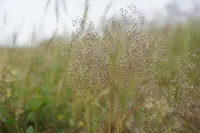
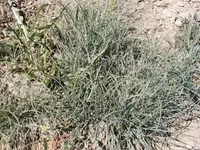
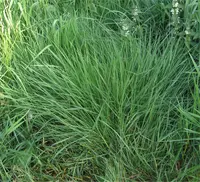
Aira cupaniana is a small, fine-textured ornamental grass, valued mainly for its light, airy foliage rather than showy flowers. It forms loose tufts of slender leaves and delicate stems that move easily with air flow, giving a soft, cloud-like effect in plantings.
This species is associated with Mediterranean-type conditions, where it experiences dry summers and mild, wetter winters. Its growth habit suits rock gardens, informal borders, or naturalistic plantings rather than highly formal designs.
It is generally considered a modest, undemanding grass when given well-drained soil and a sunny, open position. Understanding how to care for Aira cupaniana mainly involves balancing adequate moisture with good drainage to avoid prolonged waterlogging.

Care Difficulty
Moderate Care

Light Preference
Partial Shade

Water Requirements
Moderate Water

Temperature Preference
Warm Climate

Hardiness Zone
Unknown

Soil Texture
Loamy

Soil pH
Slightly acidic (6.5–7.0)

Soil Drainage
Well-drained

Fertilization
Minimal (feed rarely)
Scan your plant to receive care tips personalized for your specific plant
Available on iOS and Android
This grass prefers bright, gentle light similar to open woodland edges or lightly shaded meadows.
This fine-textured grass prefers steady, moderate moisture in free-draining soil.
This species prefers mild conditions and does best without temperature extremes.
This grass prefers moderate air moisture but usually adapts to typical indoor levels.
This species grows best in loose, well-aerated, free-draining soil that does not stay soggy.
This species is suitable for container growing when the pot and substrate are chosen to prevent waterlogging.
Light feeding supports healthy, grassy growth in Aira cupaniana without causing weak, floppy foliage.
Pruning Aira cupaniana is mainly about keeping clumps tidy and preventing self‑seeding from becoming excessive.
This grass is more often grown in the ground, but container‑grown Aira cupaniana or small clumps outdoors benefit from occasional transplanting.
New plants of Aira cupaniana are usually produced by seed or by lifting and dividing mature clumps.
In most temperate regions, Aira cupaniana is reasonably cold hardy and needs only modest winter care.

Plant Health Check
Not sure what's wrong with your plant? Check your plant's health inside the app.
Aira cupaniana is naturally restricted to parts of Sicily and southern Italy, occurring mainly in dry, open habitats on rocky or sandy soils typical of the central Mediterranean basin.
This small annual grass typically colonizes nutrient-poor, disturbed ground such as road margins and rocky grasslands, where its fine root system and short life cycle allow it to complete growth before summer drought intensifies.
The species forms an airy, branched inflorescence (a loose panicle) with very slender stems and small spikelets, giving mature stands a fine, cloud-like appearance in the landscape when viewed in oblique light.
This grass behaves as a short-lived perennial or sometimes biennial, often treated as an ornamental that may self-seed. Individual clumps can decline after a few seasons, so allowing seedlings or staggered planting keeps the display going.
Keep your plants happy and healthy with plant identification, disease detection, and easy care guidance.