Divide Mature Clumps
Every 3–4 years, lift and divide crowded clumps in early spring just as new shoots emerge to maintain vigor and create additional plants for a more even groundcover effect.

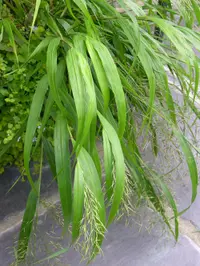
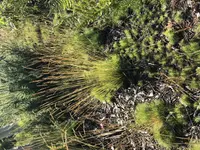
Japanese forest grass, Hakonechloa macra, is a compact ornamental grass valued for its graceful, arching foliage and tidy, mounded shape. It forms low, flowing clumps that look like a small waterfall of leaves.
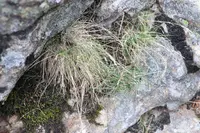
This species is native to the cool, shaded woodlands of Japan, where it grows on slopes and among rocks. Its slow, steady growth and clumping habit make it predictable and easy to place in garden designs.
Hakonechloa macra is generally considered moderate in difficulty, as it prefers consistent moisture, shelter from hot sun, and humus-rich soil. Learning how to care for Japanese forest grass mainly involves matching these woodland-like conditions.

Care Difficulty
Moderate Care

Light Preference
Partial Shade

Water Requirements
Regular Water

Temperature Preference
Cold Hardy

Hardiness Zone
5–9

Soil Texture
Loamy, Silty, Organic-rich

Soil pH
Acidic (5.5–6.5), Slightly acidic (6.5–7.0)

Soil Drainage
Moist but well-drained

Fertilization
Minimal (feed rarely)
Scan your plant to receive care tips personalized for your specific plant
Available on iOS and Android
This shade-loving ornamental grass prefers soft, filtered light rather than intense direct sun.
This grass prefers consistently moist, cool soil but reacts poorly to waterlogged conditions.
This cool-temperate grass is hardy and grows best in mild conditions.
This grass handles a wide humidity range but grows best with moderately moist air.
This species prefers cool, moisture-retentive but freely draining soil.
This grass is well suited to containers, especially in shaded patios or terraces.
This grass benefits from light feeding but grows best in soils enriched mainly with organic matter.
Pruning focuses on removing old foliage and keeping Hakonechloa macra tidy rather than reshaping it.
This ornamental grass is usually grown in the ground, with occasional division and transplanting to refresh clumps.
Division is the standard method for increasing Hakonechloa macra, as seed is slow and variable.
This grass is cold hardy in much of the US and usually needs only modest winter care.

Plant Health Check
Not sure what's wrong with your plant? Check your plant's health inside the app.
This species occurs naturally in cool, moist mountain woodlands of Honshu, Japan, where it grows on shaded slopes and stream banks in humus-rich soils.
Unlike many ornamental grasses that spread aggressively by rhizomes, this plant forms tight, slowly expanding clumps, which makes it unusually well-behaved for long-term use in shade borders.
Its arching stems create a layered, cascading effect, and each narrow leaf bends from the midrib, producing the distinctive flowing appearance that is often compared to a small waterfall of foliage.

Botanists place this grass in a small, unique genus that is endemic to East Asia, and Hakonechloa macra is the primary species that brought the entire group into widespread ornamental cultivation worldwide.
Yellowing often results from excess moisture, poor drainage, or nutrient depletion. Check for soggy soil, compacted roots, or prolonged standing water. Improve drainage, reduce watering frequency, and apply a balanced slow‑release fertilizer in spring if needed.
Keep your plants happy and healthy with plant identification, disease detection, and easy care guidance.