
Rhizome Containment
Install a solid root barrier 45–60 cm deep around planting areas to prevent the rhizomes from spreading into lawns, beds, or neighboring properties.

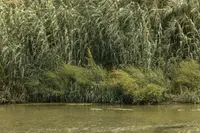
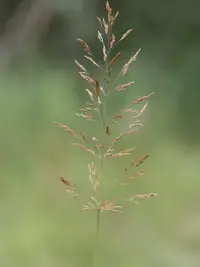
Giant reed, Arundo donax, is a tall, fast-growing perennial grass often used as a bold ornamental screen or for erosion control. It forms dense clumps of bamboo-like, hollow stems with long, arching leaves and feathery flower plumes.
This species is native to parts of the Mediterranean and Asia but has naturalized widely in warm regions, where it can become invasive in open ground. It is generally easy to grow for those who learn how to care for Giant reed, as it tolerates heat, full sun, and varied soils. However, strong growth and spreading rhizomes require thoughtful placement and control in the landscape.

Care Difficulty
Moderate Care

Light Preference
Full Sun

Water Requirements
Aquatic

Temperature Preference
Warm Climate

Hardiness Zone
6–10

Soil Texture
Sandy, Loamy, Clay

Soil pH
Slightly acidic (6.5–7.0), Slightly alkaline (7.0–7.5)

Soil Drainage
Waterlogged tolerant

Fertilization
Minimal (feed rarely)
Scan your plant to receive care tips personalized for your specific plant
Available on iOS and Android
This tall grass thrives in bright, open sites with long daily sun exposure.
This species prefers consistently moist conditions, especially during active growth.
This vigorous grass tolerates a wide temperature range but responds best to warm conditions.
This species handles a broad humidity range and usually does not need special humidity management outdoors.
This tall grass prefers deep, moisture-retentive but not stagnant soil for vigorous growth.
This species can be grown in large containers, but the setup must address its vigorous, tall growth.
Arundo donax responds well to moderate feeding but can survive on poor soils once established.
Pruning helps manage the size, density, and vigor of Arundo donax clumps.
This species is usually grown in the ground, so care focuses on transplanting expanding clumps rather than frequent repotting.
Arundo donax is typically propagated vegetatively because seed is rarely used and may not be reliable.
Cold tolerance of Arundo donax depends on climate, with rhizomes often surviving brief light freezes if soil is not waterlogged.

Plant Health Check
Not sure what's wrong with your plant? Check your plant's health inside the app.
This species has been cultivated for thousands of years around the Mediterranean for its strong, hollow canes, used in building, basketry, reed instruments, and as traditional support stakes in vineyards.
It spreads mainly through rhizomes, forming large clonal stands where many visible stems are genetically identical parts of a single plant, rather than separate individuals.
Under warm, moist conditions it can produce very high biomass compared with many other grasses, which has led to research interest in Arundo donax plant care and use as a potential energy crop, despite its invasive behavior in many regions.

In several river systems of the southern United States and parts of Australia, this species is considered a serious riparian invader, where dense stands can alter stream flow, increase fire risk along waterways, and outcompete native plants that wildlife depend on for habitat and food.
Lack of flowering usually comes from insufficient sun, young age, or stress from recent planting or division. Poor soil fertility or drought can also delay plumes. Consistent moisture, full sun, and patience often solve the problem.
Keep your plants happy and healthy with plant identification, disease detection, and easy care guidance.