upland bentgrass Care (Agrostis perennans)

Also known as: Perennial Bentgrass
upland bentgrass

About upland bentgrass

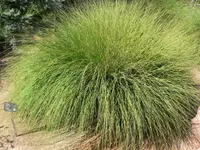
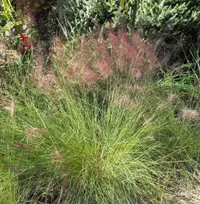
Upland bentgrass, Agrostis perennans, is a fine-textured perennial grass native to much of North America. It typically forms loose clumps or open, tufted patches rather than dense sod.

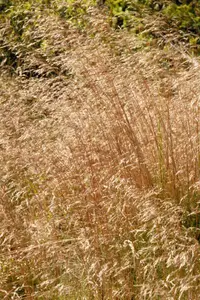
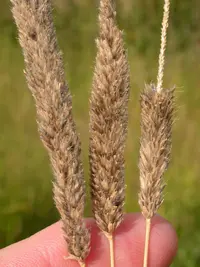
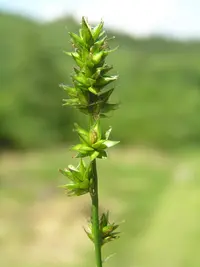
The plant has narrow green leaves and airy, delicate flower panicles that give a soft, wispy look in late season. It is often found in dry woods, open slopes, meadows, and roadsides.

This species adapts to a wide range of soils and light levels, from partial shade to open sun, which makes it relatively forgiving. Once established, it tolerates moderate drought, so basic attention to soil preparation and watering is usually enough to care for upland bentgrass.

Main Plant Requirements

Care Difficulty

Easy Care

Light Preference

Partial Shade

Water Requirements

Moderate Water

Temperature Preference

Cold Hardy

Hardiness Zone

3–8

Soil Texture

Sandy, Loamy, Silty

Soil pH

Acidic (5.5–6.5), Slightly acidic (6.5–7.0)

Soil Drainage

Moist but well-drained

Fertilization

Minimal (feed rarely)

Get Personalized Care Plan

Scan your plant to receive care tips personalized for your specific plant

Available on iOS and Android

How to Care for the upland bentgrass

This cool-season native grass thrives in bright, open sites with some protection from intense midday sun.

  • Provide 4–6 hours of direct morning sun with light or dappled shade in the afternoon, especially in warmer regions.
  • Upland bentgrass tolerates partial shade, but in sites with less than 3–4 hours of direct sun it may grow thinner and flop more easily.
  • In hot summers, reduce stress by avoiding full, exposed afternoon sun and by maintaining a light canopy of taller plants or trees for filtered light.

This species prefers consistently moist, well-drained soil rather than extremes of drought or saturation.

  • In the growing season, water when the top 2–4 cm of soil feels slightly dry, allowing moisture to reach the deeper root zone without puddling.
  • During cooler or rainy periods, extend the interval between waterings and monitor for yellowing or limp, soft foliage, which indicates overwatering or poor drainage.
  • Crisp, browning leaf tips and slow growth suggest the soil is staying too dry; improve by deeper, less frequent watering rather than shallow sprinkling for Agrostis perennans.

This cool-season grass grows best in moderate temperatures and tolerates typical outdoor fluctuations in temperate regions.

  • Optimal active growth occurs around 60–75°F (16–24°C), with the strongest flush often in spring and fall when days are mild and nights are cool.
  • Established plants tolerate winter lows near 0°F (−18°C) with natural dieback of foliage; prolonged bare, windy exposure can increase desiccation stress.
  • Heat tolerance is moderate; growth usually slows above 85°F (29°C), so combine afternoon shade with adequate soil moisture during hot spells to limit stress and thinning.

This species tolerates a broad humidity range and rarely needs special humidity management outdoors or in bright, cool indoor settings.

  • Target 40–60% humidity for stable growth, which matches most temperate outdoor conditions and typical indoor air.
  • It tolerates brief drier air, but prolonged humidity below 30% can cause leaf tips to brown and edges to crisp.
  • If air is very dry, increase local humidity with grouped pots, a pebble tray with water below the pot base, or light, occasional misting.

Agrostis perennans prefers loose, moderately fertile, well-drained soil that still holds some moisture.

  • Use a mix of roughly 50% loam or sandy loam, 30–40% compost, and 10–20% coarse sand or fine grit to balance moisture retention and drainage.
  • Aim for slightly acidic to neutral pH, around 6.0–7.0, which supports steady nutrient availability and root activity.
  • Improve aeration by incorporating coarse sand or fine pumice so roots receive enough oxygen and the mix does not compact over time.
  • Avoid heavy clay, waterlogged, or very nutrient-rich mixes, which encourage rot, weak roots, and overly lush, floppy growth.

This grass can be grown in containers, mainly for temporary display or small habitat plantings.

  • Choose a wide, shallow pot that allows clumping roots to spread laterally, which keeps growth denser and more stable.
  • Use a heavier material such as ceramic or clay if the container is exposed to wind, to reduce tipping as foliage fills out.
  • Ensure the drainage holes stay unobstructed and elevate the pot slightly so excess water clears quickly after rain or irrigation.

This native grass usually needs minimal feeding in ordinary garden soil.

  • If growth is weak on poor soil, apply a light dressing of compost or a balanced slow‑release fertilizer (around 10‑10‑10) in early spring.
  • Use about half the label rate to avoid lush, floppy foliage and nutrient runoff.
  • Do not feed during winter dormancy; allow upland bentgrass to rest without extra nutrients.

Agrostis perennans benefits from light, periodic pruning to maintain a tidy clump and support fresh growth.

  • Cut back old flower stems and browned foliage in late winter or very early spring before new shoots emerge.
  • Remove dead, damaged, or overcrowded tufts with hand pruners or sharp shears to improve air flow.
  • Shearing lightly can encourage a denser, more uniform mound but avoid cutting into very young, soft growth.

This grass is usually grown in the ground, so care focuses on dividing and transplanting established clumps.

  • Plan transplanting or division for early spring or early fall when temperatures are mild and soil is moist.
  • Look for crowded clumps, thinning centers, or slow growth as signs it benefits from lifting and division every 3–5 years.
  • Dig widely around the root mass, keep roots shaded and moist, and replant divisions at the same depth to reduce stress.
  • Water thoroughly after transplanting and maintain even moisture for several weeks until new growth shows establishment.

Propagation of Agrostis perennans is most practical by division, with seed used mainly for larger restorations.

  • Divide mature clumps in early spring or early fall, when plants are actively rooting but not stressed by heat.
  • Use a sharp spade or knife to split the clump into sections, each with healthy shoots and roots.
  • Replant divisions promptly into moist, well‑drained soil and water consistently until new top growth appears.
  • For seed, sow on the soil surface in spring, keep evenly moist, and avoid covering heavily to support light‑dependent germination.

This cool‑season native grass is generally cold hardy and needs little winter care in most US climates.

  • In colder regions, leave standing foliage over winter to insulate the crown and provide habitat value.
  • Apply a light mulch layer around, not on top of, the crown in late fall where freeze–thaw cycles are severe.
  • For container plants in cold zones, move pots to a sheltered, unheated area to prevent root damage from extreme freezing.

Care Tips

Mowing strategy

Maintain a relatively high cut (7–10 cm) and mow less frequently to allow the fine stems and seedheads to develop, which supports a more natural, meadow-like stand rather than a tight turf.

Targeted overseeding

Overseed thin patches in late summer to early fall by lightly scarifying the soil surface, broadcasting seed, and rolling or treading it in so seed-to-soil contact is firm but the seed is not buried too deeply.

Companion plant mixing

Combine this grass with compatible low-growing native forbs and other fine grasses to increase stand resilience, reduce weed pressure, and create a more stable plant community over time.

Low-input weed control

Control broadleaf weeds early by hand-pulling or spot-spraying with a directed, labeled herbicide, timing work after rain or deep watering so roots release more easily and soil disturbance stays minimal.

Soil-light monitoring

Periodically check for shade increase from maturing trees and for soil compaction in traffic areas, then selectively thin branches or lightly aerate compacted spots so you can keep growing upland bentgrass with minimal decline.

Common Pests and Diseases

Rust

This disease causes small orange, yellow, or brown powdery pustules on leaves and stems, often leading to thinning and reduced vigor in clumps. Symptoms include increased leaf senescence and reduced density in shaded or humid sites.

Solution

Remove and dispose of heavily infected foliage to reduce spore load, then improve air circulation by avoiding overcrowding and excessive overhead irrigation. In landscape or restoration settings with repeated outbreaks, rotate mowing or trimming tools between areas and consider a labeled fungicide only if cultural measures fail and the stand has high value.

Leaf spot

This disease produces small tan to dark brown lesions on blades that may coalesce, causing tip dieback and a scorched appearance in patches. Symptoms include more severe damage during warm, wet weather and under nitrogen-imbalanced soils.

Solution

Collect and remove infected clippings, reduce leaf wetness by watering early in the day, and avoid heavy late-summer nitrogen applications. Where leaf spot is persistent in managed plantings, overseed to maintain stand density and consider a targeted turfgrass fungicide labeled for leaf spot on cool-season grasses.

Cutworms

These insects are caterpillars that feed at or just above the soil surface, chewing through stems and blades and creating small bare or ragged patches. This pest often hides in the thatch or soil during the day and feeds at night.

Solution

Inspect soil surface and thatch at dusk or after dark and hand-pick caterpillars where populations are low. For larger areas, encourage natural predators by reducing broad-spectrum insecticide use, keep thatch layers thin through occasional light raking, and, if needed, apply a selective turf insecticide or biological control such as Bacillus thuringiensis var. kurstaki according to label directions.

Billbugs

These insects are small weevils whose larvae tunnel within stems and crowns, causing wilting, yellowing, and easy pull-up of damaged plants that feel hollow at the base. Symptoms include thinning patches, often in drier, compacted spots.

Solution

Check suspicious areas by tugging on plants; if they break off easily and appear shredded at the base, inspect for larvae in the thatch and crown area. Reduce thatch and soil compaction, maintain moderate and consistent moisture, and when damage is confirmed and significant, time a labeled turfgrass billbug treatment to target adults before egg-laying or young larvae in spring.

Interesting Facts

Native woodland grass

This species is native to much of eastern and central North America, where it naturally occurs in open woodlands, forest edges, and shaded slopes rather than in frequently mowed turf.

Tolerant of dry shade

Unlike many grasses that decline under tree shade, it can persist in relatively dry, dappled light under deciduous canopies, making it a characteristic component of understory plant communities.

Fine, airy inflorescences

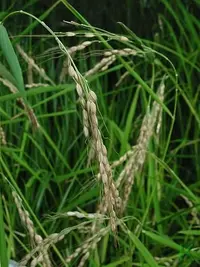
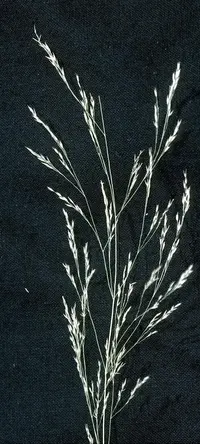
Its flowers form delicate, open panicles with very small spikelets, giving a light, hazy appearance that contributes to subtle structure in naturalistic plantings.

Botan icon

Did you know?

This species often acts as a pioneer grass on disturbed forest soils, helping stabilize slopes and thin leaf-litter layers, and it can gradually give way to more shade-demanding herbs and shrubs as woodland succession progresses.

FAQs about upland bentgrass

This species is a cool-season perennial grass. It regrows each year from its root system, especially in temperate climates, and maintains clumps or loose tufts rather than needing yearly replanting like an annual lawn grass.

Grow Healthy Plants with Botan Care

Keep your plants happy and healthy with plant identification, disease detection, and easy care guidance.

Botan plant care app — identify plants on mobile

Explore More Plants