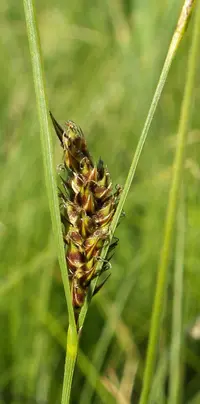
creeping meadow foxtail Care (Alopecurus arundinaceus)

Also known as: Creeping Foxtail
creeping meadow foxtail

About creeping meadow foxtail

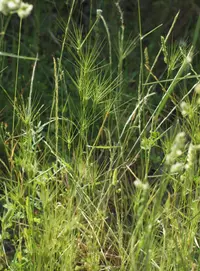
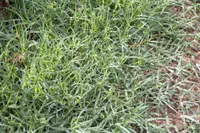
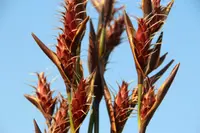
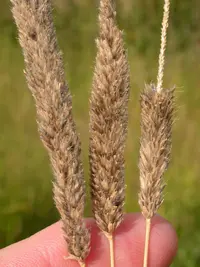
Creeping meadow foxtail, Alopecurus arundinaceus, is a cool-season perennial grass valued mainly for forage and erosion control. It spreads by rhizomes, forming dense, low sods with upright, brush-like flowering heads.

This species is native to parts of Europe and western Asia but is grown in cooler regions of North America, especially in moist pastures and along waterways. It prefers fertile, consistently moist soils and tolerates seasonal flooding better than drought.

Once established, it competes well with weeds but can thin out in very dry or heavily compacted sites. Understanding how to care for creeping meadow foxtail starts with choosing a site that stays evenly moist without extreme heat stress.

Main Plant Requirements

Care Difficulty

Easy Care

Light Preference

Full Sun

Water Requirements

Keep Soil Moist

Temperature Preference

Cold Hardy

Hardiness Zone

4–8

Soil Texture

Loamy, Silty, Organic-rich

Soil pH

Acidic (5.5–6.5), Slightly acidic (6.5–7.0)

Soil Drainage

Waterlogged tolerant

Fertilization

Minimal (feed rarely)

Get Personalized Care Plan

Scan your plant to receive care tips personalized for your specific plant

Available on iOS and Android

How to Care for the creeping meadow foxtail

This cool-season grass thrives in open, moist sites with consistent light exposure.

  • Provide 6–8 hours of direct sun daily, with a preference for morning sun and light afternoon shade in hotter regions to limit leaf scorch.
  • Tolerates partial shade (3–5 hours sun), but creeping meadow foxtail forms denser, stronger stands in full sun conditions.
  • Monitor through seasons: in summer, protect from intense late-afternoon sun; in cooler months, maximize unshaded exposure to support vigorous growth.

This species prefers evenly moist conditions and does poorly in prolonged dryness.

  • Maintain soil that feels consistently moist 3–5 cm deep; do not allow the root zone to dry hard, especially during active spring growth.
  • Where rainfall is low, water when the upper 5 cm of soil begins to feel just barely damp, aiming to re-wet down to 10–15 cm depth.
  • Watch for stress signals: wilting or browning tips suggest underwatering, while yellowing, soft bases and foul smell indicate waterlogging and poor drainage.

This grass is adapted to cool, temperate climates and shows good cold tolerance.

  • Optimal growth occurs around 55–70°F (13–21°C), with strongest performance in cool spring and early summer conditions.
  • Dormant crowns usually survive down to about -4 to 5°F (-20 to -15°C) under typical field conditions, especially with snow or mulch cover.
  • Tolerates short periods up to 85–90°F (29–32°C) if soil stays moist, but prolonged heat and drought reduce vigor and can thin stands over time.

This species prefers moderately moist air but usually adapts to typical outdoor humidity.

  • Aim for 40–60% humidity in sheltered plantings, especially in hotter regions.
  • Brown leaf tips and rolled, curling blades signal humidity stress combined with drought in creeping meadow foxtail.
  • Increase local humidity by mulching the root zone and grouping plants to reduce wind exposure and surface evaporation.

This grass performs best in consistently moist, structured soil that does not stay waterlogged.

  • Use a loamy, moderately dense soil with 30–50% organic matter from compost or well-rotted manure to hold moisture.
  • Ensure slow but steady drainage; in heavy clay, amend with coarse sand and fine bark to improve pore space and reduce waterlogging risk.
  • Aim for slightly acidic to neutral pH (6.0–7.2) for steady nutrient availability and healthy root growth in Alopecurus arundinaceus.
  • Avoid very shallow, compacted, or stony substrates that dry out quickly or prevent roots from penetrating to cooler, moister layers.

This species can be grown in containers, though it prefers open ground for long-term stands.

  • Choose a wide, heavy container to resist tipping as the clump expands and catches wind.
  • Use a tall pot to give roots deeper, cooler zones, which slows drying compared with shallow balcony tubs.
  • Elevate the pot slightly on feet or bricks so drainage holes clear freely and excess water escapes quickly after irrigation or rain.

This cool-season grass needs only modest feeding in most soils, especially when caring for creeping meadow foxtail in pasture or meadow settings.

  • Apply a light dressing of compost or well-rotted manure in early spring to support new growth.
  • On poor soils, use a balanced slow-release fertilizer (around 10-10-10) at half label rate once in spring.
  • Avoid summer high-nitrogen applications, which can cause weak, lush growth and lodging.
  • Do not fertilize during winter dormancy, and reduce or skip feeding once the stand is dense and vigorous.

Pruning Alopecurus arundinaceus is mainly about tidying and maintaining a healthy, dense stand.

  • Cut back old, straw-colored foliage in late winter or very early spring before new shoots emerge.
  • Remove dead, damaged, or disease-infected stems whenever noticed, using clean, sharp shears or a scythe for larger areas.
  • Mow or trim after flowering if seed spread is not desired, which also encourages fresher regrowth.
  • Avoid cutting too low into the crown; leave 5–8 cm of stubble to prevent stress and crown damage.

This grass is typically field grown, so care focuses on transplanting clumps rather than routine repotting.

  • Transplant in early spring or early fall when temperatures are mild and soil moisture is steady.
  • Choose established clumps with vigorous new shoots; avoid those with severely circling roots in containers.
  • Prepare the new site with loosened, well-drained soil, and set clumps at the same depth they grew before.
  • Water deeply after planting and keep soil evenly moist for 2–3 weeks to limit transplant shock.

Alopecurus arundinaceus is most commonly propagated by division, with seed used for larger sowings.

  • Divide mature clumps in early spring or early fall, when growth is active but temperatures are moderate.
  • Lift the clump and split it into sections, each with healthy roots and several shoots.
  • Replant divisions promptly into moist, well-prepared soil, spacing them to allow spreading.
  • For seed, sow shallowly in cool, moist conditions and keep the seedbed evenly damp until establishment.

This species is generally cold hardy in temperate climates and needs minimal winter attention once established.

  • In colder regions, leave standing foliage over winter to shelter crowns and trap insulating snow.
  • Apply a light mulch (2–5 cm) of straw or leaves around the base in late fall where freeze–thaw cycles are strong.
  • Container-grown plants in very cold areas can be overwintered in a sheltered, unheated but frost-moderated space.

Care Tips

Rhizome Containment

Install a shallow root barrier 20–30 cm deep around beds or along edges to prevent this creeping grass from spreading into adjacent lawn or planting areas via its rhizomes.

Targeted Flood-Tolerance Use

Use this species in periodically wet spots such as swales, drainage ways, or low pasture areas where its tolerance of temporary flooding can stabilize soil and outcompete less adapted grasses.

Rotational Mowing Strategy

In pasture or meadow settings, alternate mowing heights through the season (for example 7–10 cm in spring, 10–12 cm later) to maintain dense tillering while preventing thatch buildup and lodging of taller stems.

Spring Rhizome Division

Lift and divide congested clumps in early spring, cutting rhizome sections with at least 2–3 buds each, then replant immediately to rejuvenate stands and expand plantings without seed.

Selective Competition Management

In mixed grass stands, reduce competition from more aggressive tall grasses by cutting or grazing them slightly shorter and earlier than creeping meadow foxtail, which helps maintain its share of the sward when growing creeping meadow foxtail.

Common Pests and Diseases

Leaf rust

This disease causes small orange to brown pustules on leaves and stems, which can merge and lead to early leaf death under wet, crowded conditions.

Solution

Remove and dispose of heavily infected foliage, avoid overhead irrigation, and reduce plant crowding to improve airflow; in production or high-value plantings, a labeled grass fungicide can be applied at the first sign of pustules to protect new growth.

Snow mold

This disease develops under prolonged snow cover or very wet, cool conditions, leaving matted, bleached, or grayish patches where the grass fails to green up.

Solution

Rake and lightly scarify affected areas to break up matted foliage, improve drainage, and avoid heavy late-fall nitrogen; in regions with recurring problems, fall applications of a labeled fungicide may be used as part of Alopecurus arundinaceus care in managed turf or forage stands.

Leaf spot

This disease produces small water-soaked or brown lesions on leaves that can expand and coalesce, reducing vigor and forage quality in humid weather.

Solution

Mow or cut to remove the most affected foliage, avoid frequent light watering, and use drip or early-morning irrigation so leaves dry quickly; in persistent cases, rotate or mix with less susceptible grasses to reduce inoculum pressure over time.

Grass aphids

These insects feed on sap, causing pale or yellow streaks and reduced growth, and may leave sticky honeydew on stems and leaves that can attract sooty molds.

Solution

Encourage natural predators such as lady beetles, use a strong water spray to dislodge colonies on accessible plantings, and, if needed, apply an insecticidal soap or horticultural oil directed to the undersides of leaves and stems while temperatures are below 85°F.

Armyworms

These caterpillars feed in groups and can rapidly skeletonize or clip foliage, leaving irregularly chewed leaves and thinning patches in dense stands.

Solution

Inspect plants at dusk or early morning and hand-pick larvae where feasible, manage surrounding weeds that harbor moths, and in larger infestations treat foliage with a targeted product such as Bacillus thuringiensis (Bt) or a labeled grass-safe insecticide applied when larvae are small and actively feeding.

Interesting Facts

Rhizome-based spreader

This grass spreads primarily via creeping rhizomes, forming dense, sod-like mats that help stabilize moist soils along rivers and ditches.

Floodplain specialist

It is naturally associated with wet meadows, streambanks, and periodically flooded lowlands, showing good tolerance to waterlogged soils that would damage many upland grasses.

Cold-hardy forage grass

In temperate regions it is used as a forage and pasture grass, valued for its winter hardiness and ability to start growing early in spring under cool, moist conditions.

FAQs about creeping meadow foxtail

This rhizomatous grass spreads quickly by underground stems, forming dense patches. In moist, fertile sites it can outcompete other species. Use physical edging, regular mowing, or controlled planting areas if spread needs to be limited.

Grow Healthy Plants with Botan Care

Keep your plants happy and healthy with plant identification, disease detection, and easy care guidance.

Botan plant care app — identify plants on mobile

Explore More Plants