Staggered Overseeding
Every 2–3 years, lightly scarify the soil and overseed in early spring to replace aging clumps and keep the meadow-like look dense and even when growing Rendle's meadow foxtail.

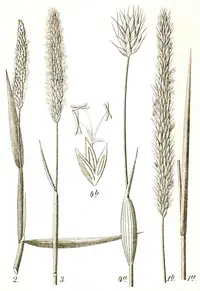
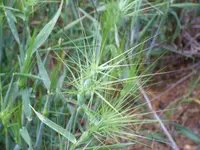
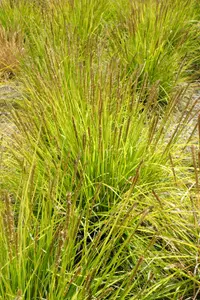
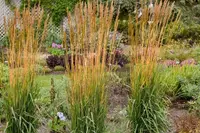
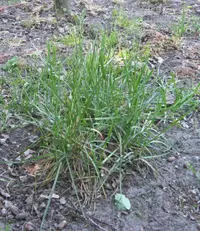
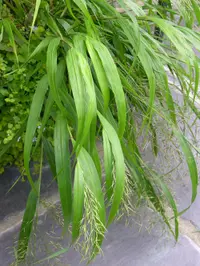
Rendle's meadow foxtail (Alopecurus rendlei) is a small, cool-season ornamental grass valued for its soft, brush-like flower spikes and compact clumping habit. It stays relatively low and forms neat tufts, making it suitable for borders, naturalistic plantings, and meadow-style gardens.
In nature it is found in parts of Europe, often in open grasslands and light, moist meadows. Its fine foliage and delicate seed heads move easily in light wind and add texture without overwhelming nearby plants.
This grass is generally straightforward to grow where conditions stay moderately cool, with sun to light shade, and soil that does not stay dry for long. Understanding how to care for Rendle's meadow foxtail helps keep the clumps dense and the flowering steady over several seasons.

Care Difficulty
Easy Care

Light Preference
Full Sun

Water Requirements
Regular Water

Temperature Preference
Cold Hardy

Hardiness Zone
4–8

Soil Texture
Loamy, Silty, Organic-rich

Soil pH
Acidic (5.5–6.5), Slightly acidic (6.5–7.0)

Soil Drainage
Moist but well-drained

Fertilization
Minimal (feed rarely)
Scan your plant to receive care tips personalized for your specific plant
Available on iOS and Android
This cool-season grass prefers consistent light conditions that avoid harsh extremes for best growth.
This species prefers evenly moist, not saturated, soil that does not fully dry out between waterings.
This cool-season grass handles a wide range of outdoor temperatures when established.
This grass handles a wide humidity range and rarely needs special humidity management outdoors or in unheated spaces.
Alopecurus rendlei prefers moist, well-drained, moderately fertile soil that stays evenly damp without becoming waterlogged.
This species is suitable for container growing, especially for small ornamental clumps or edging uses.
This cool-season ornamental grass benefits from modest feeding to support foliage and flowering without becoming lush and floppy when growing Alopecurus rendlei in average garden soils.
Pruning Alopecurus rendlei is mainly about tidying the clump and maintaining a neat outline rather than reshaping it heavily.
This grass is usually grown in the ground, so care focuses on dividing and transplanting clumps rather than routine pot repotting.
Propagation of Alopecurus rendlei is straightforward and most reliable by division, with seed used mainly in more naturalistic settings.
Alopecurus rendlei is generally cold hardy in temperate climates and needs only minimal winter care once established in the ground.

Plant Health Check
Not sure what's wrong with your plant? Check your plant's health inside the app.
This small annual grass forms loose, soft tufts with fine leaves and short flowering stems, making it noticeably more delicate and compact than many other meadow foxtails found in similar habitats.
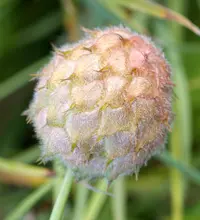
Its flowering heads are short, dense, and cylindric with a velvety look, and the spikelets carry a single, fine awn (bristle) arising from the back of the lemma, which helps distinguish it from related Alopecurus species in the field.
Rendle's meadow foxtail is native to parts of central and eastern Europe and western Asia, where it typically occurs in dry, open grasslands and light soils rather than in wet meadows favored by some of its close relatives.
This grass forms loose clumps and spreads moderately by short rhizomes and self-seeding. It usually does not become aggressively spreading in well-managed gardens, but unwanted seedlings should be removed before they mature and drop more seed.
Keep your plants happy and healthy with plant identification, disease detection, and easy care guidance.