water foxtail Care (Alopecurus geniculatus)

Also known as: marsh foxtail, Kneed Foxtail
water foxtail

About water foxtail

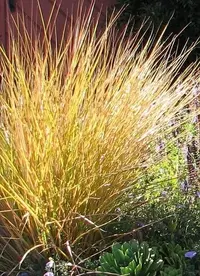
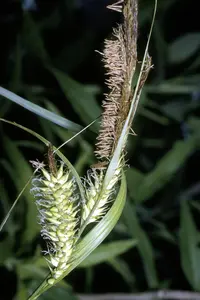
Water foxtail, Alopecurus geniculatus, is a small, clump-forming grass typically found along pond edges, ditches, and other wet ground. It often grows in shallow water, forming soft, tufted patches.

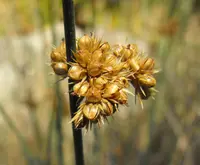
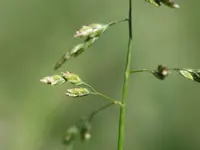
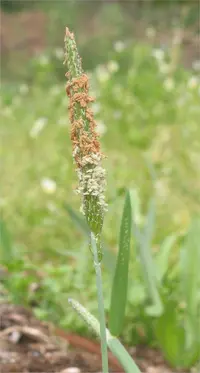
The plant has fine, narrow leaves and short, bottlebrush-like flower spikes that give it a delicate, feathery look. It spreads by seed and short stems that bend and root at the nodes.

This species is adaptable but favors cool to mild conditions, consistent moisture, and nutrient-rich, muddy or silty soils. Because it prefers stable, wet habitats, the main challenge is to care for water foxtail by keeping its roots constantly moist without strong water movement.

Main Plant Requirements

Care Difficulty

Easy Care

Light Preference

Full Sun

Water Requirements

Aquatic

Temperature Preference

Cold Hardy

Hardiness Zone

4–9

Soil Texture

Loamy, Silty, Organic-rich

Soil pH

Acidic (5.5–6.5), Slightly acidic (6.5–7.0)

Soil Drainage

Waterlogged tolerant

Fertilization

Minimal (feed rarely)

Get Personalized Care Plan

Scan your plant to receive care tips personalized for your specific plant

Available on iOS and Android

How to Care for the water foxtail

This semi-aquatic grass prefers bright, open conditions but tolerates some shade, especially in hotter regions.

  • Provide 4–8 hours of sun daily, with morning sun and light afternoon shade ideal in warm climates to reduce leaf scorching.
  • The plant handles partial shade, but dense shade lowers vigor and reduces flowering; stems may elongate and flop as they stretch for light.
  • In summer, protect water foxtail from intense, all-day sun in shallow water or saturated soil, as overheated substrates can stress roots.

This species naturally grows in saturated or shallowly flooded soils, so moisture levels should stay consistently high.

  • Maintain soil that is saturated to very shallowly flooded; do not allow the top 2–3 cm to dry out, especially during active growth.
  • In spring and summer, watch for wilting, dull foliage, or curling tips as signs the substrate is drying; increase water or raise the water level.
  • If Alopecurus geniculatus stands in still water with foul odor, blackened roots, or slimy stems, circulation and drainage are too low and anaerobic conditions are developing.

This cool-season grass tolerates a broad temperature range but grows best in mild conditions.

  • Optimal growth occurs around 50–68°F (10–20°C), when foliage stays dense and green and new tillers form steadily.
  • The plant survives down to about 14°F (−10°C) once established, though leaves may burn or die back; crowns usually resprout in spring.
  • Heat above 86°F (30°C), especially with warm, stagnant water, can slow growth, promote algae, and stress roots, so deeper or moving water helps buffer temperature.

This semi-aquatic grass tolerates a wide humidity range but prefers consistently moist air near 50–80%.

  • Handles brief dry air indoors but grows best near water features, ponds, or consistently damp zones.
  • Low humidity stress shows as browning leaf tips and slower, thinner shoot growth.
  • Increase humidity by grouping pots over pebble trays with water or positioning containers beside shallow water reservoirs.

This species prefers constantly moist, fine-textured soil that mimics shallow pond margins or wet meadows.

  • Use a heavy loam with high organic matter, such as 2 parts garden loam, 1 part compost, and 1 part fine sand or silt.
  • Soil should stay saturated to waterlogged without strong currents; slow drainage is acceptable and often beneficial.
  • Alopecurus geniculatus grows well in slightly acidic to neutral soil, around pH 6.0–7.0.
  • Avoid very sandy, fast-draining mixes and any site where the substrate dries out fully between waterings.

This grass can be grown in containers if the setup allows constantly wet, stable conditions.

  • Choose a wide, relatively shallow tub or bowl to support spreading shoots and prevent toppling in wind.
  • If drainage holes are present, stand the container in a larger outer basin kept partly filled with water to maintain saturation.
  • Use a heavier pot material, such as ceramic, to anchor the plant when grown at the edge of water features or on exposed patios.

Alopecurus geniculatus is a low-demand grass that only needs light feeding in nutrient-poor sites or containers.

  • In spring, apply a light dressing of compost or a balanced slow-release NPK fertilizer around the clump.
  • Use about half the label-recommended rate to avoid lush, weak growth in wet conditions.
  • For container-grown water foxtail, feed with a diluted balanced liquid fertilizer every 4–6 weeks during active growth.
  • Stop feeding in late summer so plants harden off before winter and reduce soft, frost-prone tissue.

Pruning needs for Alopecurus geniculatus are minimal and mainly focused on tidiness and plant health.

  • Cut back dead or damaged foliage in late winter or very early spring before new growth starts.
  • Shear or hand-trim spent flower stems to encourage a neater mound and fresh leafy growth.
  • Thin out congested clumps by removing older, weak shoots at the base to improve air flow.
  • Use clean, sharp shears or scissors and remove material down to just above healthy green tissue.

This grass is more often transplanted in the ground than repotted, but container clumps may need occasional attention.

  • Transplant or divide clumps in early spring or early fall when temperatures are mild and soil is moist.
  • Look for slow growth, clumps lifting from the soil, or roots circling the pot as signs it needs moving or division.
  • Lift the clump gently, tease roots apart by hand, and trim only heavily damaged roots to limit shock.
  • Replant at the same depth, water thoroughly, and keep evenly moist for 1–2 weeks to help roots re-establish.

Alopecurus geniculatus is commonly propagated by division or seed for habitat restoration or pond-edge plantings.

  • Divide established clumps in early spring, keeping several healthy shoots and roots in each section.
  • Replant divisions immediately into moist soil, firm gently, and water well to maintain constant moisture.
  • Sow fresh seed in spring on damp, fine-textured substrate and press lightly without deep burial.
  • Maintain cool to mild temperatures and consistently moist conditions until seedlings are well rooted.

This species is cold hardy in much of the US and usually needs little targeted winter care outdoors.

  • In colder zones, leave most foliage standing over winter to shelter crowns and reduce soil heaving.
  • Apply a thin mulch layer around the base after the ground cools, keeping the crown itself uncovered.
  • For container plants in very cold areas, move pots to a sheltered, frost-free but cool spot and keep soil just barely moist.

Care Tips

Control Spreading Habit

Install shallow plastic or metal edging 10–15 cm deep around beds or pond margins to limit rhizome spread and make it easier to lift and thin clumps every 1–2 years.

Seasonal Mowing Regime

In lawn or meadow settings, delay the first mow until seed heads have mostly ripened, then mow higher (7–8 cm) to encourage denser regrowth and reduce lodging of weak, floppy stems.

Rotational Patch Renewal

Every 2–3 years, divide and replant only the strongest sections of the stand, discarding weak or heavily thatched patches to maintain a vigorous, uniform sward.

Water-Level Management

In shallow water or boggy margins, keep the crown just above the waterline and adjust water depth gradually over several days during seasonal changes to prevent root stress and dieback.

Targeted Weed Suppression

Use a narrow hand hoe or long-bladed knife to slice out competing sedges and rushes at the base rather than pulling, which protects the shallow root system and keeps caring for water foxtail efficient in dense plantings.

Common Pests and Diseases

Fusarium crown rot

This disease causes browning and rotting at the base of the stems, leading to lodging and thinning of dense patches in wet sites. Symptoms include weakened tillers that pull away easily at the crown with dark, discolored tissue.

Solution

Improve water movement so the stand is not submerged for long periods, and avoid heavy trampling that wounds crowns. Remove and dispose of severely affected clumps and, in production settings, rotate away from grass crops and use clean seed to reduce Fusarium inoculum.

Brown patch (Rhizoctonia)

This disease produces irregular brown or tan areas in dense swards, especially in warm, humid conditions with high nitrogen. Symptoms include water-soaked lesions on leaf blades that can merge into blighted patches.

Solution

Reduce excess nitrogen, avoid evening irrigation, and increase air movement over the stand where possible. In high-value turf or research plantings, apply a labeled turfgrass fungicide containing azoxystrobin or propiconazole according to local guidance and safety directions.

Leaf rust

This disease appears as small yellow-orange pustules on leaf surfaces, causing premature leaf yellowing and reduced vigor in summer and early fall. Symptoms include fine, powdery spores that rub off on fingers or clothing.

Solution

Mow or cut down heavily infected foliage and remove clippings to lower the spore load. Encourage stronger growth with balanced, moderate fertilization and adequate spacing, and where rust is persistent in production fields, select less susceptible lines and rotate with non-grass species.

Aphids

These insects feed on sap from young shoots and leaf bases, sometimes causing yellowing, stunting, and sticky honeydew that can support sooty mold. This pest is more common on nutrient-rich, sheltered stands or potted specimens.

Solution

Spray infested foliage with a strong stream of water to dislodge colonies and encourage natural predators such as lady beetles. For persistent infestations, use insecticidal soap or a light horticultural oil, coating stems and leaf bases thoroughly and repeating as needed according to label directions.

Leafhoppers

These insects suck sap from leaves and stems, leading to pale speckling, tip burn, and reduced vigor in exposed field or pond-margin stands. Symptoms include quick-moving, wedge-shaped insects that jump or fly when disturbed.

Solution

Reduce tall nearby weeds that shelter leafhoppers and limit excess nitrogen that encourages very soft growth. Where damage is significant, use a pyrethrin-based spray or other labeled contact insecticide, applied in calm conditions and timed to hit the nymph stage on lower foliage.

Interesting Facts

Adaptation to trampling

This species has geniculate, or sharply bent, lower stems that root at the nodes, allowing it to survive in wet pastures and frequently trampled ground where many other grasses fail to persist.

Preference for wet margins

It naturally occupies shallow water, pond edges, and seasonally flooded ground, forming loose tufts that can tolerate fluctuating water levels better than many co-occurring grasses.

Role in wet grasslands

In Europe and parts of North America, it is a characteristic component of damp meadow and marshy pasture plant communities, contributing to habitat structure for invertebrates and small aquatic organisms.

Botan icon

Did you know?

This grass is often one of the first species to colonize newly created shallow water bodies such as restored ponds and ditches, making it useful as an indicator that hydrological restoration is beginning to succeed.

FAQs about water foxtail

Yellowing often comes from water that is too stagnant, low nutrients, or compacted, anoxic substrate. Check for rotting roots, improve water movement, and provide balanced aquatic fertilizer to stabilize new growth over time.

Grow Healthy Plants with Botan Care

Keep your plants happy and healthy with plant identification, disease detection, and easy care guidance.

Botan plant care app — identify plants on mobile

Explore More Plants