Edge Containment
Install shallow plastic or metal edging 5–8 cm deep around beds to prevent rhizomes from creeping into lawns or nearby borders, making long‑term maintenance much easier.

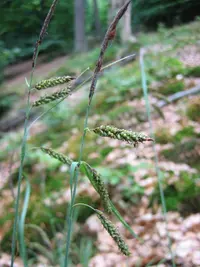
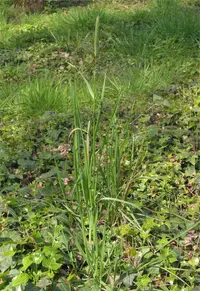
Glaucous sedge (Carex flacca) is a clump-forming, grass-like perennial in the sedge family, valued for its fine texture and blue-green foliage. It forms low, arching tufts that create soft, natural-looking groundcover or edging along paths and borders.
This species occurs naturally in Europe and western Asia, often in meadows, open woodlands, and calcareous grasslands with good drainage. It is generally hardy, long-lived, and tolerant of a range of conditions, which makes it relatively simple to care for glaucous sedge.
It grows best in sun to light shade, with moderately moist, well-drained soil, but once established it can handle some dryness and light foot traffic.

Care Difficulty
Easy Care

Light Preference
Partial Sun

Water Requirements
Moderate Water

Temperature Preference
Cold Hardy

Hardiness Zone
4–9

Soil Texture
Sandy, Loamy, Clay

Soil pH
Slightly acidic (6.5–7.0), Neutral (7.0)

Soil Drainage
Moist but well-drained

Fertilization
Minimal (feed rarely)
Scan your plant to receive care tips personalized for your specific plant
Available on iOS and Android
Carex flacca prefers bright conditions with moderate direct sun exposure for best color and growth.
Carex flacca thrives in consistently moist, but not saturated, soil.
This cool-season sedge handles a wide temperature range but grows most actively in mild conditions.
This species is flexible about humidity and usually does well in typical outdoor conditions.
Carex flacca prefers moderately moist, well-drained, mineral-rich substrates rather than dense or waterlogged ground.
This sedge is well suited to container growing outdoors, especially in cool to mild climates.
Carex flacca grows well in lean soils and usually needs only light feeding to maintain steady growth.
Carex flacca benefits from occasional clean-up pruning to keep the clumps neat and vigorous.
Carex flacca is usually grown in the ground and is moved only when clumps become crowded or outgrow their space.
Carex flacca is most commonly propagated by division, which preserves the characteristics of the parent plant.
Carex flacca is generally cold hardy in temperate climates and needs minimal winter care once established.

Plant Health Check
Not sure what's wrong with your plant? Check your plant's health inside the app.
Carex flacca is strongly associated with calcareous soils and often indicates underlying limestone or chalk in grasslands, dunes, and open woodland edges.
The leaves have a blue‑green, slightly waxy (glaucous) underside that helps reduce water loss and gives the plant its common name, glaucous sedge.
This sedge spreads slowly via short rhizomes, forming durable, low clumps that can persist for many years in stable, undisturbed habitats.

Carex flacca shows notable genetic and morphological variability across its wide Eurasian range, and some authors have treated certain local forms as separate subspecies or closely related species, reflecting ongoing taxonomic discussion around this complex.
This species spreads slowly by short rhizomes and self-seeding, forming loose clumps rather than dense, choking mats. It can gently naturalize in lawns or meadow-style plantings but is generally easy to keep within bounds with edging.
Keep your plants happy and healthy with plant identification, disease detection, and easy care guidance.