bahiagrass Care (Paspalum notatum)

Also known as: Common Bahia, Notatum Grass
bahiagrass

About bahiagrass

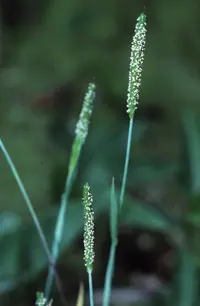
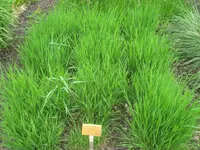
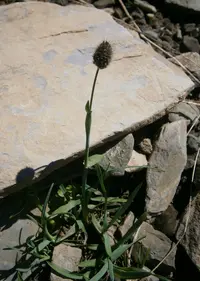
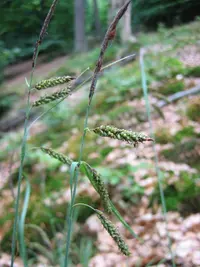
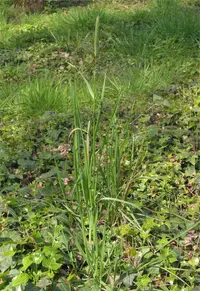
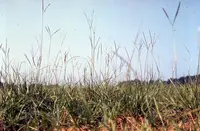
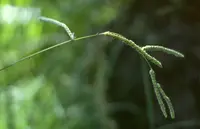
Bahiagrass (Paspalum notatum) is a warm-season perennial grass commonly used in lawns, pastures, and erosion-control areas in warm climates. It forms a dense, low-growing turf with coarse, V-shaped seedheads on upright stems.

This species is native to South America but is widely naturalized across the southeastern United States, especially in sandy, low-fertility soils. It is valued for strong drought and heat tolerance, as well as good wear resistance.

Because it handles poor soils and limited care, it is considered relatively easy to maintain once established. Understanding how to care for bahiagrass mainly involves matching it with sunny sites and well-drained, moderately dry to slightly moist soil.

Main Plant Requirements

Care Difficulty

Easy Care

Light Preference

Full Sun

Water Requirements

Moderate Water

Temperature Preference

Warm Climate

Hardiness Zone

7–11

Soil Texture

Sandy, Loamy, Clay

Soil pH

Acidic (5.5–6.5), Slightly acidic (6.5–7.0)

Soil Drainage

Well-drained

Fertilization

Minimal (feed rarely)

Get Personalized Care Plan

Scan your plant to receive care tips personalized for your specific plant

Available on iOS and Android

How to Care for the bahiagrass

Paspalum notatum thrives in open, sunny sites and forms its densest turf under strong light.

  • Aim for 6–10 hours of direct sun daily; full sun promotes tight growth and better wear tolerance in lawns.
  • The grass tolerates light afternoon shade, but areas with less than 4–5 hours of sun may thin, become patchy, and invite weeds.
  • In hot summers, brief late-afternoon shade can limit leaf scorch, while in autumn shorter days naturally slow growth and reduce mowing needs.

This warm-season grass prefers consistent soil moisture during establishment, then moderate watering once roots are deep.

  • Allow the top 5–8 cm of soil to dry between waterings; deep, infrequent irrigation encourages a more drought-tolerant Paspalum notatum lawn.
  • Use well-drained soil to prevent standing water; signs of overwatering include yellowing leaves, algae or moss on the surface, and soft, spongy turf.
  • In hot, dry periods, increase watering depth rather than frequency; in cooler or rainy seasons, reduce irrigation to avoid shallow roots and disease.

This warm-season grass grows vigorously in hot weather but slows or goes dormant in cooler conditions.

  • Optimal growth occurs around 80–95°F (27–35°C); activity declines noticeably below 70°F (21°C) and the turf may brown as it enters dormancy.
  • Bahiagrass tolerates high heat up to about 100–105°F (38–41°C) if soil moisture is maintained, but prolonged heat with drought stress causes leaf curl and browning.
  • It is sensitive to hard frost; brief dips near 30–32°F (-1–0°C) can burn leaves, and repeated freezes may thin the stand, so recovery occurs mainly when temperatures warm again.

This warm-season grass handles a wide humidity range and usually does not need special humidity management outdoors.

Paspalum notatum prefers light, well-drained mineral soils and tolerates relatively low fertility.

  • Use sandy or sandy-loam soil that allows roots to spread easily without staying waterlogged.
  • Aim for slightly acidic to neutral pH, roughly 5.5–7.0, which supports nutrient uptake and root growth.
  • Blend in coarse sand and a small amount of compost to improve drainage while adding modest organic matter.
  • Avoid compacted clay, heavily mulched, or constantly soggy sites, which promote root rot and weak turf development.

This species can be grown in containers, mainly for temporary turf trials or small-scale erosion control.

  • Choose a wide, low container to accommodate spreading rhizomes and reduce tipping in windy locations.
  • Use a fast-draining sandy mix so water moves through quickly but still keeps a shallow moisture zone near the surface.
  • Place containers where runoff can drain freely, since frequent irrigation for turf-like growth produces substantial excess water.

Paspalum notatum benefits from modest feeding to support dense, healthy turf without excessive top growth.

  • Apply a balanced slow-release lawn fertilizer (for example, 10-10-10 or similar) at low to moderate rates in late spring once growth is active.
  • Feed every 6–8 weeks through summer, staying within label-recommended annual nitrogen limits for warm-season grasses.
  • Water in fertilizer thoroughly after application to move nutrients into the root zone and reduce burn risk.
  • Reduce or stop feeding in fall and winter when growth slows or the lawn is dormant, as nutrients are not efficiently used.

Pruning Paspalum notatum mainly means managing mowing height to maintain dense, healthy turf.

  • Mow during the active growing season, keeping blades at 2–3 in to encourage deep roots and reduce weed invasion.
  • Remove no more than one-third of the leaf height at a time to limit stress and thinning of the lawn.
  • Use sharp mower blades to produce clean cuts that reduce disease entry points and browning at the tips.
  • Occasionally remove accumulated clippings or thatch thicker than 1–1.5 cm to maintain air and water movement.

For bahiagrass, care focuses on transplanting and lawn establishment rather than repotting in containers.

  • Plan transplanting or plugging in late spring to early summer when soil temperatures are warm and growth is active.
  • Look for slow fill-in, bare patches, or poor density as signs that new plugs or sod sections are needed.
  • Loosen and lightly level the soil, then plant plugs or sod pieces firmly so roots contact moist soil without large air gaps.
  • Water deeply after transplanting and keep soil consistently moist (not waterlogged) for 2–3 weeks to reduce transplant shock.

Paspalum notatum is commonly propagated by seed, sod, or plugs to establish or thicken lawns.

  • Sow seed in late spring to early summer into well-prepared, weed-reduced soil with good drainage and firm seed-to-soil contact.
  • Keep the top 1–2 cm of soil consistently moist until germination and early seedling establishment, then reduce frequency.
  • Use sod or plugs cut from healthy turf when rapid coverage or erosion control is needed on slopes or high-traffic areas.
  • Maintain adequate warmth, light, and balanced moisture during establishment to promote strong rooting and lateral spread.

Paspalum notatum is a warm-season grass that is fairly cold tolerant in mild climates and usually needs minimal winter care.

  • Expect foliage to brown and go dormant after frost; this is normal and not a sign of death.
  • In colder zones, leave the dormant leaf layer or add a light mulch in non-turf areas to insulate crowns and roots.
  • For any container-grown patches, move pots to a sheltered, frost-free area and reduce watering while growth is inactive.

Care Tips

Traffic management

Limit heavy foot or vehicle traffic on young stands during the first growing season, then channel regular use onto defined paths or zones to reduce compaction and stolon damage.

Targeted overseeding

In early spring, overseed only the thinnest or bare patches at 0.5–1 lb seed per 1,000 sq ft after scratching the soil surface lightly, which maintains an even, dense turf without disturbing healthy areas.

Thatch and straw use

For new seedings on slopes or windy sites, apply a light, even layer of clean straw mulch (about 50% soil still visible) to reduce erosion and moisture loss, then remove or rake out excess straw once seedlings are established.

Salt and drought scouting

In coastal or drought-prone areas, monitor regularly for leaf tip burn, gray-green color, or patchy thinning, and adjust irrigation or leaching schedules promptly since early correction is far more effective than late repair when growing bahiagrass.

Mower hygiene

Clean mower decks and blades after working in weedy or diseased areas, and avoid mowing stressed turf, to reduce spread of fungal spores and aggressive grassy weeds into healthy bahiagrass stands.

Common Pests and Diseases

Mole crickets

This pest tunnels through the soil, severing roots and causing bahiagrass to thin, yellow, and pull up easily. Symptoms include spongy turf and irregular dead patches, especially in sandy soils.

Solution

Monitor at dusk for surface activity and use soapy water flushes to confirm presence, then apply a labeled bait or contact insecticide when young nymphs are active. Reduce thatch and avoid over-irrigation to make conditions less favorable and support natural predators such as birds and beneficial insects.

Ground pearls

These insects feed on roots while protected in hard, pearl-like coverings, leading to slow decline, weak growth, and circular patches that do not green up even with watering and fertilizer. Symptoms include scattered, non-uniform dead spots that persist over several seasons.

Solution

There is no reliable chemical control, so focus on cultural practices such as maintaining proper mowing height, balanced fertilization, and consistent but not excessive watering to help surviving turf recover. In severely damaged areas, remove affected soil if practical and reestablish with resistant or alternative turf species, following thorough site preparation as part of careful Paspalum notatum plant care.

Tropical sod webworms

These caterpillars chew leaf blades at night, creating ragged, scalped areas and small brown patches that can merge into larger damaged zones. Symptoms include fine, clipped leaf tips and increased bird activity feeding in the lawn.

Solution

Inspect the thatch layer at night with a flashlight and hand-pick caterpillars where infestations are light, or use a biorational product such as Bacillus thuringiensis (Bt) targeted to young larvae. Mow at the recommended height and avoid excess nitrogen, which produces lush growth that favors heavy infestations.

Large patch

This disease, caused by Rhizoctonia fungi, produces circular or irregular orange-brown patches that start in cooler, moist weather and may return in the same places each year. Symptoms include leaf sheaths rotting at the base and grass that pulls away easily from the stolons.

Solution

Improve drainage, avoid overwatering, and do not apply high nitrogen fertilizer in early spring or fall when the disease is most active. In lawns with a history of large patch, use a preventive fungicide labeled for Rhizoctonia on bahiagrass at the start of cool, wet periods, and remove or dilute thatch to improve airflow at the soil surface.

Dollar spot

This disease causes small, tan lesions on leaves and produces straw-colored spots that can merge into larger blighted areas in nutrient-poor turf. Symptoms include numerous silver-dollar-sized patches and a general appearance of thin, starved grass.

Solution

Correct low nitrogen by applying a balanced fertilizer according to soil test results and water deeply but infrequently to reduce prolonged leaf wetness. If disease pressure remains high, use a labeled fungicide in rotation between active ingredients, and mow regularly with a sharp blade to remove infected leaf tips and improve turf density.

Interesting Facts

Native pasture specialist

This warm-season grass is native to South America but has been widely adopted in the southeastern US as a persistent pasture and roadside grass because it tolerates low soil fertility and acidic, sandy soils better than many turf species.

Rhizomes and seed spikes

The plant spreads by short rhizomes (underground stems) and produces distinctive Y-shaped seed heads with 2–3 slender spikes that help distinguish it from many other lawn grasses.

Soil stabilizing role

Its deep, fibrous root system makes it useful for erosion control on highway rights-of-way and disturbed soils, where it can hold loose sand and loam in place under heavy rain and traffic-related stress.

Botan icon

Did you know?

This species shows relatively high tolerance to aluminum toxicity in acidic soils compared with many crop grasses, which is one reason it can remain productive where other grasses decline.

FAQs about bahiagrass

This warm-season grass spreads by rhizomes and seed, forming a dense sod over time. In mild climates it can naturalize beyond planting areas, especially in sandy soils, but is usually managed as a functional turf or pasture species.

Grow Healthy Plants with Botan Care

Keep your plants happy and healthy with plant identification, disease detection, and easy care guidance.

Botan plant care app — identify plants on mobile

Explore More Plants