Shallow Water Edging
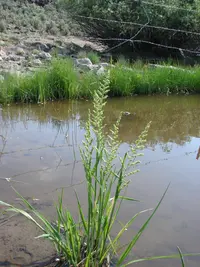
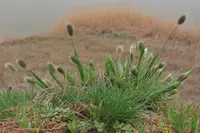
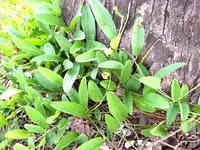
Plant rhizomes in a shallow shelf zone (5–15 cm water depth) along ponds or slow ditches so crowns stay just submerged while foliage emerges into air, which reduces rot and supports strong, upright growth.

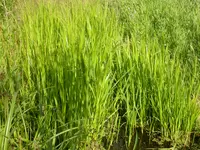
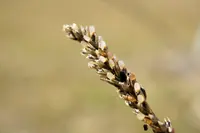
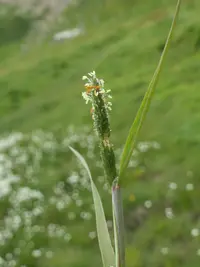
American mannagrass (Glyceria grandis) is a tall, perennial wetland grass commonly found along streams, ponds, and marshy edges in North America. It forms dense clumps with upright, arching leaves and airy flower clusters that sway above the foliage in the growing season.
This species prefers consistently moist to wet soil and thrives in full sun to light shade, making it suitable for naturalized water gardens and rain gardens. Once established, it spreads by rhizomes, so site choice matters for those who want to care for American mannagrass without it overtaking smaller plantings.

Care Difficulty
Moderate Care

Light Preference
Full Sun

Water Requirements
Aquatic

Temperature Preference
Cold Hardy

Hardiness Zone
3–8

Soil Texture
Loamy, Silty, Organic-rich

Soil pH
Acidic (5.5–6.5), Slightly acidic (6.5–7.0)

Soil Drainage
Waterlogged tolerant

Fertilization
Minimal (feed rarely)
Scan your plant to receive care tips personalized for your specific plant
Available on iOS and Android
This wetland grass prefers bright conditions with some protection from intense midday sun.
This species is adapted to very moist to saturated soils and does poorly if allowed to dry out.
This cool- to mild-climate grass is hardy and tolerates a wide range of outdoor temperatures.
This wetland grass prefers very moist air but usually adapts to typical outdoor humidity.
This species thrives in saturated, organic-rich soil that mimics marsh or stream-bank conditions.
This species can be grown in containers if the setup allows constantly wet or shallowly flooded conditions.
This wetland grass grows well in average soils and usually needs only light feeding in managed plantings.
Pruning Glyceria grandis is mainly done to keep clumps tidy and remove old or damaged growth.
This species is usually grown in the ground near water, so management focuses on dividing and transplanting clumps rather than repotting.
Glyceria grandis is commonly propagated by division or seed to expand plantings in wetland or pond-edge sites.
This cold-hardy wetland grass usually needs minimal winter attention in most temperate climates.

Plant Health Check
Not sure what's wrong with your plant? Check your plant's health inside the app.
This species is native to North America and is strongly tied to freshwater habitats such as marsh edges, pond margins, and slow streams, where it helps stabilize saturated soils and reduce erosion.
Its dense, tall stands slow water movement in shallow zones, which encourages fine sediment to settle and creates microsites used by aquatic invertebrates, amphibians, and the seedlings of other wetland plants.
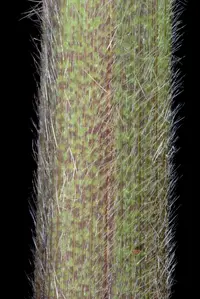
The plant has a robust rhizome system and hollow stems that allow it to persist where water levels fluctuate, giving it a competitive advantage in periodically flooded lowlands compared with many upland grasses.

Glyceria grandis often accumulates nutrients such as nitrogen and phosphorus from nutrient-rich runoff, so in managed restoration projects it is sometimes used as part of planting mixes to help intercept and retain these nutrients before they enter open water bodies.
This species spreads by rhizomes and self-seeding in consistently wet soil. In garden settings, it can form dense colonies. Use edging, contained planting areas, or periodic thinning to prevent it from overtaking smaller, less vigorous plants.
Keep your plants happy and healthy with plant identification, disease detection, and easy care guidance.