Alopecurus vaginatus Care

About Alopecurus vaginatus

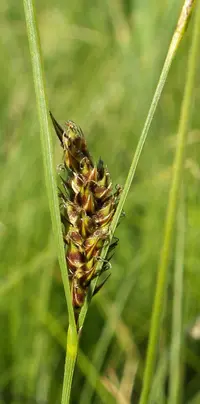
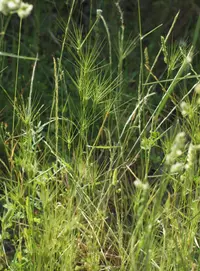
Alopecurus vaginatus is a perennial grass known for its fine leaves and slender flowering stems. It forms loose clumps and creates a soft, tufted appearance.

This species is native to cooler, often moist regions, where it grows in open habitats such as meadows, stream edges, or damp fields. Its growth habit is generally modest, so it is not usually invasive in managed settings.

Gardeners who care for Alopecurus vaginatus appreciate its tolerance of cool conditions and periodic moisture, though it dislikes prolonged drought or waterlogged soil. It prefers light, free-draining substrates and consistent, moderate moisture for steady growth.

Main Plant Requirements

Care Difficulty

Moderate Care

Light Preference

Partial Sun

Water Requirements

Regular Water

Temperature Preference

Cool Climate

Hardiness Zone

4–8

Soil Texture

Loamy, Silty, Organic-rich

Soil pH

Acidic (5.5–6.5), Slightly acidic (6.5–7.0)

Soil Drainage

Moist but well-drained

Fertilization

Minimal (feed rarely)

Get Personalized Care Plan

Scan your plant to receive care tips personalized for your specific plant

Available on iOS and Android

How to Care for the Alopecurus vaginatus

This cool-season grass prefers consistent light that mimics open, temperate meadows.

  • Aim for 4–6 hours of direct morning sun with light shade or filtered light in the hotter afternoon to reduce leaf scorch.
  • The plant tolerates bright partial shade, but stems may elongate and flowering can decline if light drops below roughly 3–4 hours of sun per day.
  • In summer, protect Alopecurus vaginatus from intense midday sun, while in early spring and fall it benefits from as much sun as available.

This species prefers evenly moist conditions and does not handle prolonged drying well.

  • Keep soil consistently moist, allowing only the top 2–3 cm to dry slightly between waterings in the growing season.
  • Use soil with good structure and drainage so water does not pool around the roots, which increases the risk of rot and sour, anaerobic smells.
  • In hot, windy weather check moisture daily, watching for drooping or browning tips as signs of underwatering and yellowing, soft bases as signs of excess water.

This grass is adapted to cool, temperate climates with marked seasonal change.

  • Optimal growth occurs around 55–70°F (13–21°C), with strongest development in cool spring and early fall conditions.
  • Established plants often tolerate winter lows near 5–15°F (-15 to -9°C) if soil drains well and crowns are not exposed by heaving.
  • In summer, growth slows once temperatures stay above about 80°F (27°C); provide extra moisture during heat waves and avoid hot, reflective sites.

Humidity is not a major factor for Alopecurus vaginatus when grown outdoors in its usual temperate climates.

This grass prefers consistently moist, fine-textured soil that still drains freely.

  • Use a loamy or silty soil with moderate organic matter to mimic moist meadow conditions.
  • Ensure drainage is steady, not rapid, so the root zone stays evenly moist without forming puddles.
  • Aim for slightly acidic to neutral pH, roughly 6.0–7.0, to support balanced nutrient uptake.
  • Improve heavy or compacted soil by incorporating coarse sand or fine grit to enhance aeration and prevent stagnant water.

This species can be grown in containers if moisture and stability are carefully managed.

  • Choose a wide, low container to accommodate spreading growth and reduce the risk of tipping in wind.
  • Select a heavier pot material, such as ceramic, to hold moisture slightly longer and anchor the shallow root system.
  • Elevate the container on feet or spacers so drainage water escapes quickly and roots do not sit in a wet saucer.

This grass is adapted to low-nutrient soils, so Alopecurus vaginatus care usually involves only light fertilization in managed plantings.

  • Use a balanced, slow-release fertilizer (for example 10-10-10) or a thin layer of compost in early spring.
  • Apply at most once per growing season for in-ground plants; containers may benefit from 1–2 light feeds.
  • Dilute liquid products to 1/2–1/4 strength to avoid soft, floppy growth and salt buildup.
  • Avoid fertilizing in late fall and winter, when growth is minimal or dormant.

Pruning needs are low and focus on keeping clumps tidy and preventing unwanted self-seeding.

  • Cut back dead or winter-damaged foliage in late winter or early spring before new growth starts.
  • Shear or hand-trim spent flower stems if you want to limit self-seeding or maintain a neater outline.
  • Remove any weak, crossing, or crowded stems at the base to keep good air flow through the clump.
  • Use clean hand shears or grass shears, making even cuts just above the crown without scalping the plant.

This species is more often grown in the ground, but container or nursery plants may need occasional transplanting to maintain healthy root growth.

  • Look for roots circling the pot, pushing through drainage holes, or slow, weak growth as cues for moving the plant.
  • Transplant in early spring or early fall so roots can establish in mild conditions before heat or hard frost.
  • Shift container plants only 1 pot size up every 2–3 years, using a free-draining, loamy mix.
  • Water thoroughly before and after transplanting, keep soil evenly moist for several weeks, and avoid heavy root disturbance.

Propagation of Alopecurus vaginatus is commonly carried out by division or from seed in garden or habitat settings.

  • Divide established clumps in early spring or early fall, lifting and splitting into sections with healthy roots and shoots.
  • Replant divisions at the same depth, firm soil gently, and keep evenly moist until strong new growth appears.
  • Sow fresh seed in trays or directly outdoors in spring, barely covering with fine soil or sand.
  • Maintain cool to mild temperatures and consistent moisture to encourage even germination and early root development.

This cool-season grass is generally cold hardy in temperate climates and usually needs minimal winter care outdoors.

  • In colder regions, leave dry foliage standing over winter to shield the crown from freeze–thaw cycles.
  • Apply a light mulch layer around the base in late fall, keeping it just clear of the crown.
  • For container plants in cold areas, move pots to a sheltered, unheated but frost-free or slightly protected spot.

Care Tips

Controlled clump division

Divide mature clumps every 3–4 years in early spring, replanting only the healthiest outer portions to maintain vigorous growth and prevent overcrowding when growing Alopecurus vaginatus.

Edge containment

Install a shallow root barrier or regularly spade-cut a clean edge around beds once a year to stop the rhizomes from creeping into lawns or neighboring plantings.

Targeted mowing regime

If used in meadow-style plantings, delay mowing until after seed heads mature, then cut back to 5–8 cm to encourage dense regrowth while allowing some natural reseeding.

Selective thinning

Remove weak, winter-damaged, or excessively shaded shoots at ground level in late winter to improve air flow through the clump and reduce fungal issues.

Salt and traffic management

Keep plants away from de-icing salt and heavy foot traffic, or place low stepping stones through plantings in high-use areas to protect crowns and prevent soil compaction around the tussocks.

Common Pests and Diseases

Leaf rust

This disease causes small yellow to orange pustules on leaves and stems, which can merge and lead to premature leaf death in humid conditions.

Solution

Remove and discard heavily infected foliage, avoid overhead irrigation, and improve air movement around clumps; in persistent cases, use a labeled grass fungicide and rotate plantings to reduce spore buildup in sites used for growing Alopecurus vaginatus.

Helminthosporium leaf spot

This disease produces elongated brown to purplish spots on leaves that can coalesce, giving foliage a scorched or blighted appearance under stress.

Solution

Cut back and remove affected leaves to reduce inoculum, maintain moderate and consistent soil moisture, and apply a turf-type foliar fungicide labeled for Helminthosporium leaf spots if new lesions continue to appear.

Smuts

This disease results in black, powdery masses replacing seed heads or appearing along stems, often distorting inflorescences and reducing vigor over time.

Solution

Remove and safely discard affected seed heads before they release spores, avoid saving seed from infected plants, and if infestations are recurrent, replace severely affected clumps with certified clean stock and rotate the planting area.

Aphids

These insects cluster on young shoots and flowering stems, sucking sap and sometimes causing leaf curling, stunting, and sticky honeydew that can attract sooty mold.

Solution

Dislodge colonies with a firm stream of water, encourage natural predators such as lady beetles, and when populations are high, treat with insecticidal soap or a light horticultural oil, coating stems and the undersides of leaves.

Grasshoppers

These insects chew irregular holes along leaf blades and can strip foliage quickly in dry, open sites near unmanaged grassland or pasture.

Solution

Hand-pick individuals where feasible, reduce nearby tall weeds that harbor nymphs, and if damage is severe, use bait or a targeted grasshopper control product labeled for ornamental grasses, applied according to local regulations and timing guidelines.

Interesting Facts

Arctic riverbank specialist

This species is naturally associated with cold, high-latitude riverbanks and wet tundra-like habitats, where it is adapted to short growing seasons and frequent flooding or waterlogged soils.

Distinctive sheathing leaves

The specific epithet vaginatus refers to its conspicuous leaf sheaths that tightly wrap the stem, a feature botanists use to distinguish it from closely related Alopecurus species in the field.

Role in fragile habitats

In its native northern ranges, it helps stabilize fine, moist sediments along streams and lake margins, contributing to soil retention in ecosystems that are highly sensitive to erosion and climate change.

FAQs about Alopecurus vaginatus

This species spreads by short rhizomes and self-seeding but is usually not aggressively invasive in managed gardens. In moist, open sites it can slowly form patches, so occasional thinning or division helps keep clumps within bounds.

Grow Healthy Plants with Botan Care

Keep your plants happy and healthy with plant identification, disease detection, and easy care guidance.

Botan plant care app — identify plants on mobile

Explore More Plants