Parramatta Grass Care (Sporobolus africanus)

Also known as: Ratstail, African dropseed, Dropseed, Ratstail Dropseed, Ratstailgrass, Rush Grass, Tough Dropseed
Parramatta Grass

About Parramatta Grass

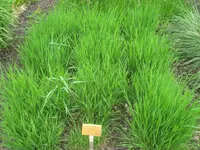
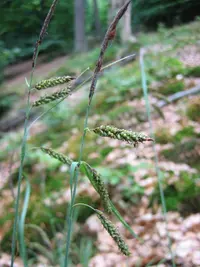
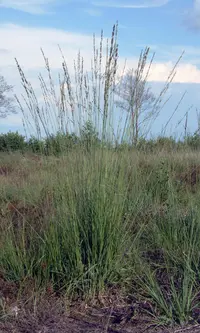
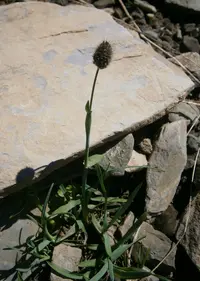
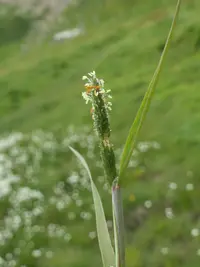
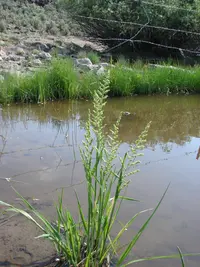
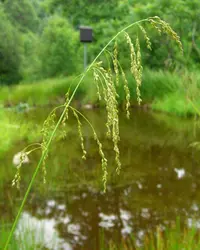
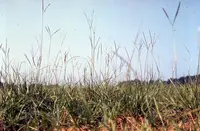
Parramatta grass (Sporobolus africanus) is a perennial tussock-forming grass that spreads by seed and short rhizomes, creating dense clumps. It has fine, narrow leaves and upright flowering stems that produce many small seeds, allowing it to naturalize and sometimes behave as a pasture weed.

This species is native to Africa but is now found in Australia, New Zealand, and other mild climates, often in grazed fields and disturbed ground. It is generally tough and drought-tolerant once established, but strong seeding and spreading growth can make it harder to manage than many ornamental grasses.

It prefers open, sunny locations with well-drained soil and moderate moisture. Understanding how to care for Parramatta Grass is important where it is deliberately grown for erosion control or forage.

Main Plant Requirements

Care Difficulty

Easy Care

Light Preference

Full Sun

Water Requirements

Moderate Water

Temperature Preference

Warm Climate

Hardiness Zone

9–11

Soil Texture

Sandy, Loamy, Clay

Soil pH

Slightly acidic (6.5–7.0), Neutral (7.0)

Soil Drainage

Moist but well-drained

Fertilization

Minimal (feed rarely)

Get Personalized Care Plan

Scan your plant to receive care tips personalized for your specific plant

Available on iOS and Android

How to Care for the Parramatta Grass

This warm-season grass prefers open, sunny positions but accepts some light shade in hot regions.

  • Provide 6–8 hours of direct sun daily for dense growth; morning sun with light afternoon shade helps reduce summer heat stress.
  • Tolerates bright, shifting shade for part of the day, but prolonged shade leads to weaker clumps and sparse flowering in Parramatta Grass.
  • In hot summers, monitor for leaf scorch or bleaching; in cooler seasons, ensure plants are not shaded by taller vegetation so they still receive strong light.

This species is moderately drought-tolerant once established but grows best with consistent, well-drained moisture.

  • Allow the top 3–5 cm of soil to dry before the next deep watering, using soil feel rather than a fixed schedule.
  • Increase watering during hot, dry periods if leaves curl, dull in color, or growth slows, especially on sandy or sloped sites.
  • Reduce watering in cool or rainy seasons; yellowing, limp foliage and a sour soil smell indicate overwatering and poor drainage around Sporobolus africanus roots.

This warm-season bunchgrass prefers mild to hot climates and shows best growth in consistently warm conditions.

  • Optimal growth occurs around 70–85°F (21–29°C), with active tillering and quickest recovery from mowing or grazing in this range.
  • Tolerates heat up to about 95°F (35°C) if soil moisture is adequate; prolonged extremes above this can cause leaf tip browning and slower growth.
  • Survives brief drops near 30°F (-1°C) but is sensitive to hard frost; sustained temperatures below 28°F (-2°C) can damage foliage and reduce stand density.

Humidity is seldom a limiting factor for Sporobolus africanus in typical outdoor conditions.

Sporobolus africanus prefers moderately fertile, well-structured mineral soil that drains freely.

  • Use a sandy or sandy-loam soil with 10–20% compost to support root development without waterlogging.
  • Ensure water drains within a few minutes after irrigation; avoid compacted or heavy clay that stays wet for long periods.
  • Target a slightly acidic to neutral pH of 6.0–7.0, adjusting with lime or elemental sulfur if needed.
  • Improve aeration and drainage by incorporating coarse sand or fine gravel into dense soils before planting.

This grass can be grown in containers if the pot provides enough depth and drainage for its fibrous root system.

  • Choose a wide, heavy container to stabilize the plant against wind and prevent tipping as clumps enlarge.
  • Use a coarse, fast-draining mix and lift the pot slightly off the ground so drainage holes never sit in standing water.
  • Allow at least 30–40 cm soil depth in the container so roots can spread and anchor the Parramatta Grass securely.

Sporobolus africanus is a low-nutrient grass that only needs light feeding in managed landscapes.

  • Apply a balanced slow-release NPK fertilizer at half strength once in early spring if growth is weak.
  • Use a thin layer of compost around the clump to improve soil structure rather than pushing lush growth.
  • Avoid additional feeding in late summer–fall so Parramatta Grass can harden off before cold weather.
  • Do not fertilize during winter dormancy; excess nutrients can cause weak, disease-prone shoots.

Sporobolus africanus benefits from modest pruning to maintain a tidy clump and encourage fresh growth.

  • Cut back old foliage to 5–10 cm above ground in late winter or very early spring before new shoots emerge.
  • Remove dead, broken, or diseased leaves and stems whenever noticed, using clean, sharp shears.
  • Thin out overcrowded centers by cutting a few older tufts, which improves airflow and reduces fungal problems.
  • Avoid cutting into fresh green growing points, as this can weaken the plant and delay regrowth.

This grass is more often grown in-ground, so focus on occasional division and transplanting rather than frequent repotting.

  • Plan transplanting or division in early spring or early fall when temperatures are mild and soil is workable.
  • Lift and divide clumps every 3–5 years, or when centers thin and growth slows, replanting vigorous outer sections.
  • Handle roots gently, keeping as much soil attached as possible, and water thoroughly to settle soil around roots.
  • Provide consistent moisture for 1–2 weeks after moving plants, then return to normal, well-drained conditions.

Sporobolus africanus is most commonly propagated by division, with seed used where large numbers are needed.

  • Divide mature clumps in early spring, separating sections with several healthy shoots and roots per piece.
  • Replant divisions at the same soil depth, firm gently, and keep evenly moist until new growth establishes.
  • For seed, sow fresh, cleaned seed on the surface of a free-draining mix and press lightly, as light aids germination.
  • Maintain 65–75°F, bright indirect light, and consistent but not waterlogged moisture until seedlings are strong enough to plant out.

This warm-season grass has moderate cold tolerance and usually needs only simple winter care in mild climates.

  • In regions with frost, allow foliage to brown naturally, then cut back in late winter before new growth.
  • Apply a light mulch around the base in colder zones to moderate soil temperature and protect crowns.
  • In containers, move plants to a sheltered, unheated but frost-free spot and reduce watering while growth is dormant.

Care Tips

Grazing Management

Use rotational grazing or periodic mowing to a height of 10–15 cm to keep tussocks young and leafy, as older untouched clumps become coarse and less palatable.

Tussock Rejuvenation

Every 3–4 years, slash or cut mature clumps close to the ground at the end of the dry season to stimulate fresh basal shoots and improve stand density.

Seed Bank Control

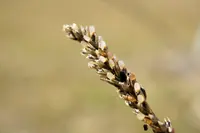
Prevent unwanted spread by cutting seed heads before they fully mature and by removing volunteer seedlings from fence lines, tracks, and adjacent paddocks.

Pasture Integration

Combine this species with compatible pasture grasses and legumes to reduce dominance of single large tussocks, improve forage quality, and stabilize soil structure on sloping ground.

Soil Compaction Check

Monitor around gateways, troughs, and machinery tracks for soil compaction and lightly cultivate or aerate these strips so roots can penetrate more deeply and plants recover faster after grazing or mowing when growing Parramatta Grass.

Everything About Parramatta Grass

Common Pests and Diseases

Armyworms

These insects are the larval stage of moths and can rapidly defoliate clumps by chewing through leaves and tender stems, often leaving ragged edges and thinning patches in a sward.

Solution

Monitor foliage closely during warm seasons and hand-pick larvae where infestations are light, or mow and remove clippings to reduce shelter and food sources; in heavier outbreaks, use a targeted Bacillus thuringiensis (Bt) product or another labeled grass-safe insecticide, applied in the late afternoon when larvae are most active.

Grasshoppers

These insects feed on blades and seed heads, creating irregular holes and sometimes stripping foliage under hot, dry conditions.

Solution

Encourage natural predators such as birds by maintaining nearby habitat, keep surrounding vegetation trimmed to reduce egg-laying sites, and, if damage is severe, use grasshopper baits or barrier sprays labeled for pasture or ornamental grass, following local guidelines for Sporobolus africanus plant care.

Ergot infection

This disease affects inflorescences, replacing seed with dark, hardened fungal bodies and sometimes exuding a sticky honeydew on flower heads.

Solution

Cut and remove infected seed heads before they mature and dispose of them away from grazing areas, avoid overhead irrigation that wets flowering panicles, and promote good air movement around stands by avoiding overcrowding and periodic mowing to reduce inoculum levels.

Rust

This disease causes small orange to brown pustules on leaves, which can coalesce and lead to yellowing and early leaf death under humid conditions.

Solution

Improve air circulation by avoiding excessive density and removing surrounding weeds, avoid prolonged leaf wetness from overhead watering, and, if the problem recurs and is severe, apply a grass-safe fungicide labeled for rust on forage or ornamental grasses according to label directions.

Interesting Facts

Origin and spread

This perennial grass is native to southern Africa but has become naturalized in Australia, New Zealand, and parts of South America, where it is often considered a problematic pasture and roadside species.

Dense tussock growth

It forms very tight tussocks with tough, fibrous leaves and a strong root system, which allows it to outcompete more palatable pasture grasses and persist under heavy grazing pressure.

Wind-dispersed seeds

The plant produces many small seeds in a fine, branched flower panicle, and these seeds are easily carried by wind or moved in soil and on machinery, which helps the species spread rapidly in disturbed areas.

FAQs about Parramatta Grass

This warm-season tussock grass spreads mainly by seed and short rhizomes. In suitable climates it can form dense clumps and expand into surrounding areas, especially in overgrazed or disturbed sites, and is considered invasive in several regions.

Grow Healthy Plants with Botan Care

Keep your plants happy and healthy with plant identification, disease detection, and easy care guidance.

Botan plant care app — identify plants on mobile

Explore More Plants