

Parramatta Grass Identification (Sporobolus africanus)

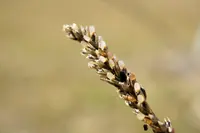
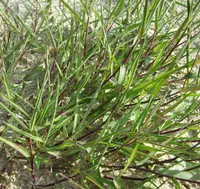
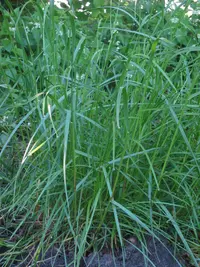
To recognize Parramatta Grass, look for a densely tufted perennial grass forming clumps of narrow, flat to folded leaves, with upright stems rising above the foliage.

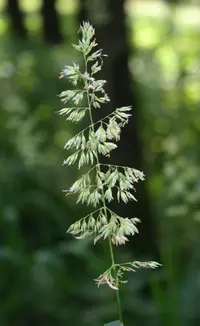
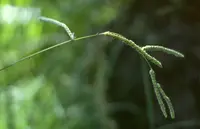
Its seed heads are open, airy panicles, often 4 to 12 inches (10 to 30 cm) long, carrying many tiny spikelets on fine, spreading branches.

Sporobolus africanus Identification

Is This Parramatta Grass?

Upload a clear image to check whether your plant ID is correct.

Clear images work best. Avoid photos taken too close or too far away

Check the grass’s tufted form, leaves, and seedhead shape.

  • Forms dense clumps rather than creeping mats, with many upright stems from the base.
  • Leaves are narrow, flat to slightly folded, and often about 4-12 inches (10-30 cm) long.
  • The flowering head is a narrow, open panicle, with many fine branches held close along a central stem.
  • Spikelets are very small and crowded, giving the seedhead a fine-textured, somewhat bristly look.

A combination of clumping growth and a narrow, airy seedhead is the most useful visual check.

Sporobolus africanus shows useful visual shifts from tufted vegetative growth to open seed heads.

  • Young plant: Plants form a small, dense basal tuft of narrow leaves, with no obvious flowering stems and a lower, tighter outline than older clumps.
  • Mature plant: Established plants become broader tussocks, often about 2 feet (60 cm) tall, with many fine leaves arising from the base and several upright culms.
  • Flowering stage: Tall, slender stems rise above the leaves and carry narrow, airy panicles, making the plant look more open and vertically structured than vegetative clumps.
  • Fruiting stage: After flowering, the panicles persist as fine seed heads with many tiny spikelets, giving a drier, slightly contracted appearance compared with fresh flowering stems.

Parramatta Grass is easiest to pick out when it flowers, usually from summer into fall. The flowerheads rise above the leaves as narrow, open panicles, giving the clump a taller, airier outline. As seed develops, these heads often fade from green to straw-brown and remain conspicuous for a time, helping with identification after peak flowering.

Several invasive pasture grasses can be mistaken for Sporobolus africanus at a glance.

giant rat’s tail grass(Sporobolus pyramidalis)

Both are tufted grasses with narrow leaves and open seed heads. Giant rat’s tail grass is usually taller and has a longer, denser, more spike-like panicle, while Parramatta Grass has a shorter, finer, more open inflorescence.

American rat’s tail grass(Sporobolus jacquemontii)

This species also forms tussocks with slender leaves and airy flower heads. It is typically more delicate overall, with finer leaves and a narrower seed head; S. africanus tends to look coarser and more robust.

Sporobolus africanus is native to southern and eastern Africa. It occurs in open grassland and savanna, often in seasonally wet places such as vleis, drainage lines, and damp flats. That setting helps with identification because this grass is more likely in low, open ground than in forest or dry rocky sites. Finding it in moist grassland within its African range can narrow a field identification.

Check Your Plant ID

Use Botan to compare a photo and help identify or confirm the plant before you label it incorrectly.

FAQ

The clearest field mark is its narrow, open seed head with many tiny spikelets on fine branches, rising above a dense tuft of tough basal leaves. That combination helps with Parramatta Grass identification.

More Plant Identification Guides

Identify Your Plant and Learn More

Upload a photo to identify it with Botan, then review plant details, care information, and common problems.

Botan app identifying a plant from a photo
Can Plants Grow With Artificial Light?

6 min read · 15 Sept 2026

Can Plants Grow With Artificial Light?

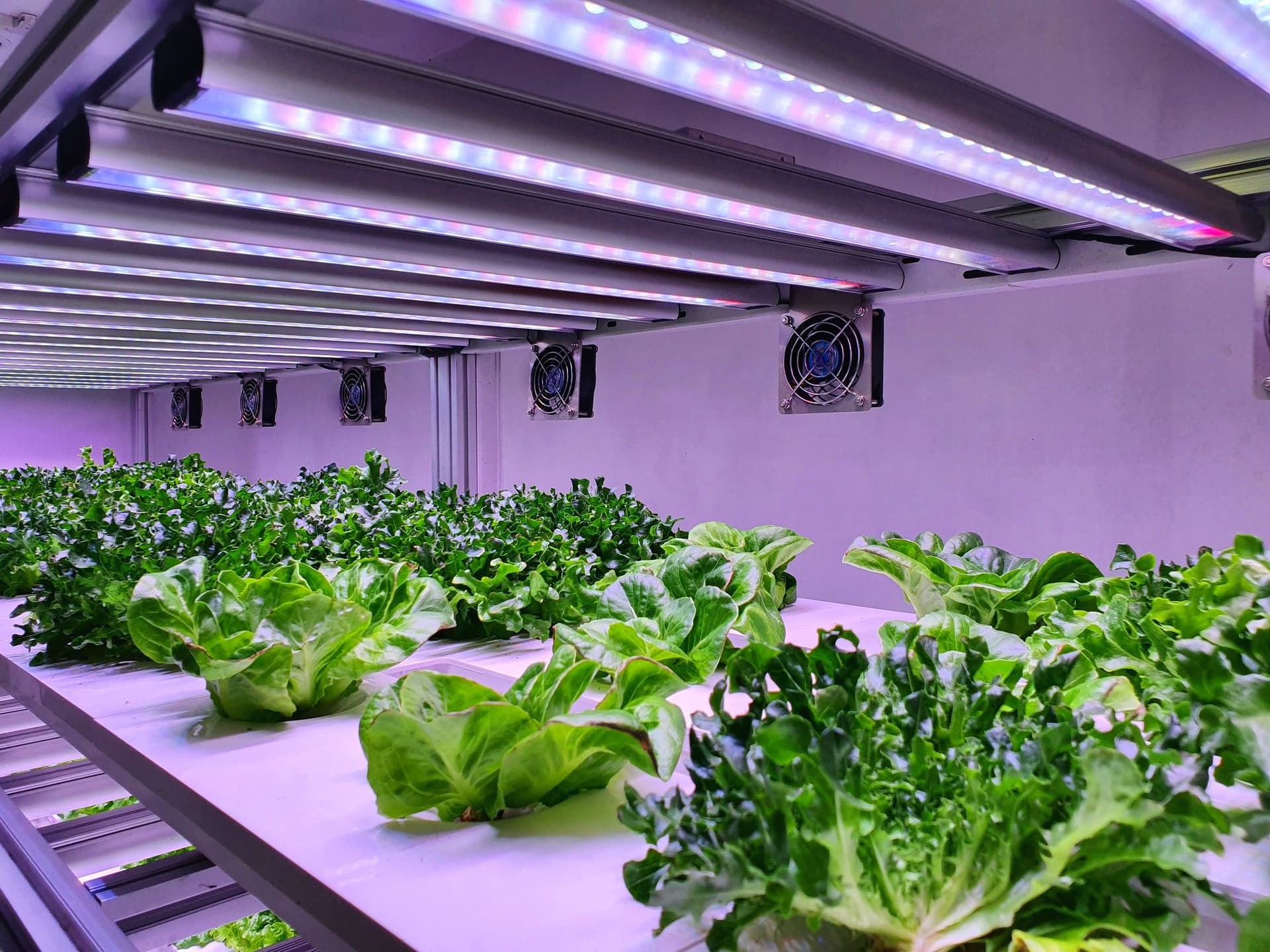
Plants can grow under artificial light when the setup provides a suitable spectrum, enough intensity, and sufficient daily exposure. This guide explains how artificial lighting compares with sunlight, which options work indoors, and how to match a setup to houseplants.

Plant Care
Can Plants Grow With Artificial Light?
Frozen vs Fresh Vegetable Nutrients: Which Option Is Healthier?

6 min read · 8 Sept 2026

Frozen vs Fresh Vegetable Nutrients: Which Option Is Healthier?

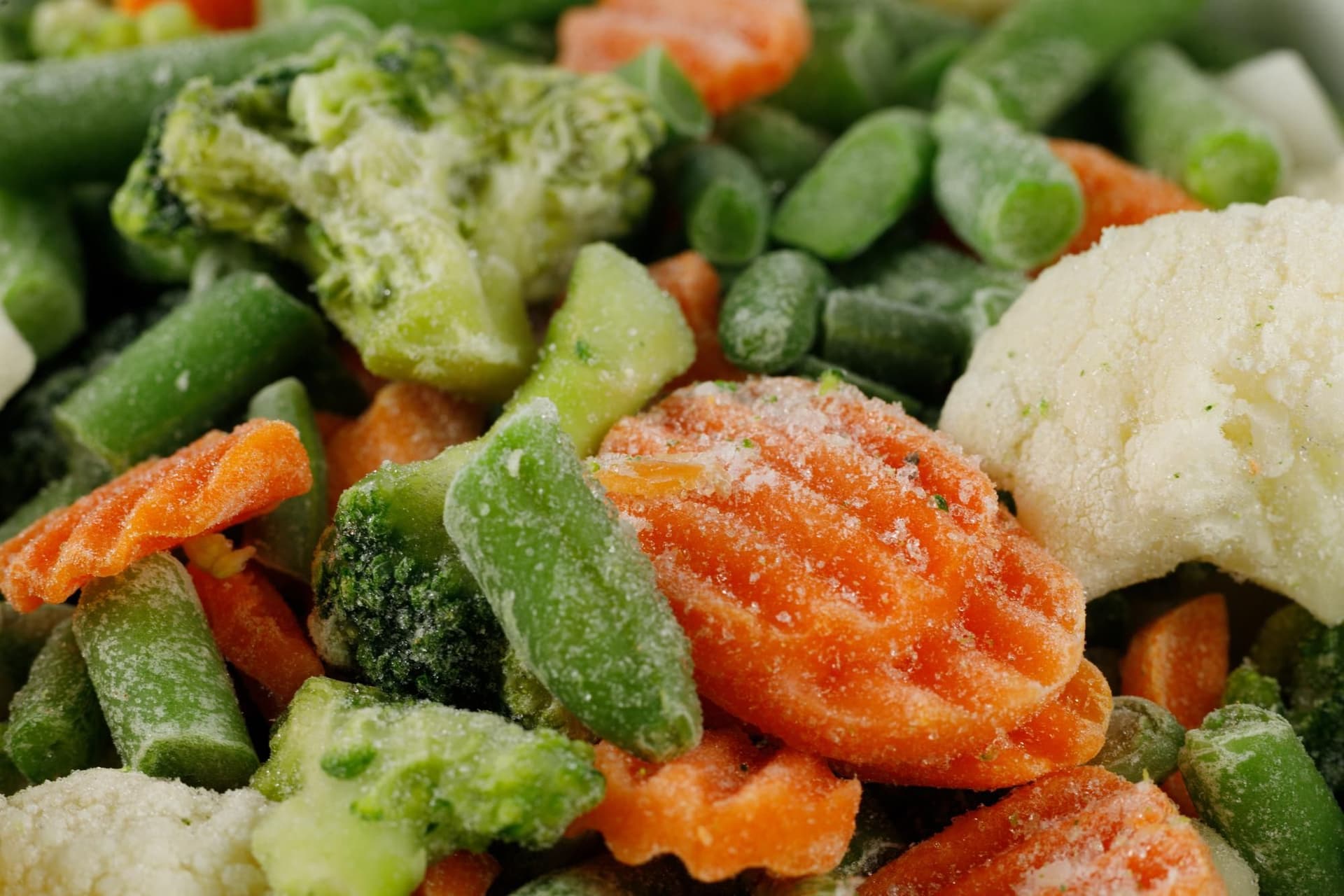
Frozen and fresh vegetables are nutritionally comparable: frozen produce often retains vitamins just as well as fresh and may sometimes contain more. Here’s how blanching and storage affect nutrients—and when to choose each.

Plant Recommendations
Frozen vs Fresh Vegetable Nutrients: Which Option Is Healthier?
12 Best Landscaping Trees for Your Garden

8 min read · 6 Oct 2026

12 Best Landscaping Trees for Your Garden

Choosing the landscape tree depends on what your garden needs most. These 12 options include compact flowering specimens, colorful deciduous trees, shade varieties, and evergreens suitable for screening and year-round structure.

Plant Recommendations
12 Best Landscaping Trees for Your Garden