Orange Foxtail Care (Alopecurus aequalis)

Also known as: shortawn foxtail, Short Foxtail
Orange Foxtail

About Orange Foxtail

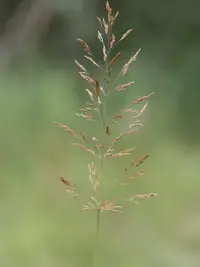
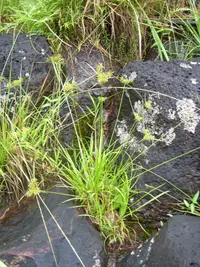
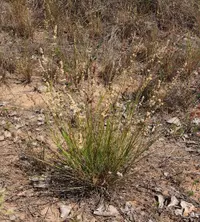
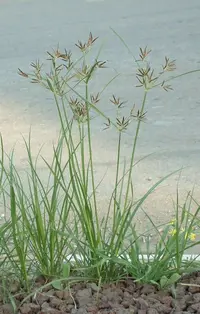
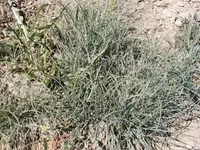
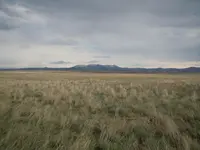
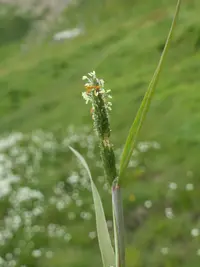
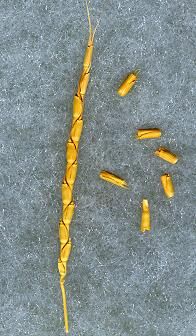
Orange foxtail (Alopecurus aequalis) is a small, cool-season grass often found along streams, pond edges, ditches, and other wet ground. It forms low, tufted clumps with narrow leaves and upright stems topped by short, brush-like flower spikes that resemble a fox’s tail. In many regions it behaves as an annual or short-lived perennial and can reseed in suitable moist habitats. This species favors consistently damp soils and open, sunny to lightly shaded sites, so maintaining moisture is the main consideration in how to care for Orange Foxtail. Its modest size and tolerance of saturated conditions make it useful in naturalistic plantings, water-edge gardens, and restoration projects.

Main Plant Requirements

Care Difficulty

Moderate Care

Light Preference

Full Sun

Water Requirements

Aquatic

Temperature Preference

Cold Hardy

Hardiness Zone

4–9

Soil Texture

Loamy, Silty, Organic-rich

Soil pH

Acidic (5.5–6.5), Slightly acidic (6.5–7.0)

Soil Drainage

Waterlogged tolerant

Fertilization

Minimal (feed rarely)

Get Personalized Care Plan

Scan your plant to receive care tips personalized for your specific plant

Available on iOS and Android

How to Care for the Orange Foxtail

Alopecurus aequalis prefers consistent light that mimics open, moist meadows.

  • Provide 4–6 hours of sun daily, favoring morning sun and light afternoon shade to prevent leaf scorch on exposed sites.
  • Tolerates partial shade, especially in summer; growth may become looser and flowering reduced if light drops below about 3 hours of direct sun.
  • In hot climates, give Orange Foxtail filtered light or high, open shade during peak afternoon sun in late spring and summer to reduce stress.

This species is adapted to moist to wet conditions and should not be allowed to dry out completely.

  • Keep soil consistently moist; surface should feel damp, not cracked or powdery, and standing water for short periods is acceptable in many sites.
  • In warm months, rewater when the top 1–2 cm of soil just begins to lose its sheen; in cool seasons, allow a slightly longer interval but avoid full drying.
  • Watch for pale, crisping leaf tips as a sign of underwatering, and yellow, soft, or lodging stems as early indicators of excess water and low oxygen around roots.

This cool-season grass grows best in moderate temperatures and tolerates cold better than heat.

  • Optimal active growth occurs around 50–70°F (10–21°C), with strongest performance in cool spring and fall conditions.
  • Mature plants usually tolerate down to about 20°F (-6°C), surviving light to moderate frost, though foliage may burn and regrow from the base.
  • Heat above 85°F (29°C), especially with dry soil, can slow growth and cause tip browning, so higher soil moisture and some shade help during hot summers.

This grass prefers consistently moist air but usually adapts to typical outdoor humidity where soil moisture is stable.

  • Target 50–70% humidity when grown in sheltered or semi-indoor situations, matching its natural wetland habitat.
  • Tolerates brief drier air if the root zone never dries out completely, but prolonged arid, windy conditions weaken growth.
  • Humidity stress shows as browning leaf tips and limp foliage; group plants near water features or shallow trays to raise local humidity slightly.

This species thrives in constantly moist, fine-textured soil that mimics shallow pond edges or marshy banks.

  • Use a heavy loam with high organic matter, blending garden loam, compost, and a small amount of coarse sand to prevent compaction.
  • Aim for slow-draining conditions that stay wet but not stagnant, avoiding sharply drained sandy mixes that dry out between waterings.
  • Alopecurus aequalis tolerates slightly acidic to neutral soil (pH 5.5–7.0), so peat-free composts based on leaf mold or well-rotted compost are suitable.
  • For containers, line the lower layer with loam-rich mix and add only limited perlite, focusing on moisture retention rather than rapid drainage.

This species can be grown in containers if the pot is managed to stay consistently wet without becoming anaerobic.

  • Choose a wide, relatively shallow container to accommodate spreading, fibrous roots and to keep the saturated root zone oxygenated.
  • Use a pot with drainage holes but stand it in a water-filled saucer, adjusting water depth so the mix stays wet but not fully submerged.
  • Select heavier materials such as ceramic to stabilize the container, since the dense, wet substrate and tufted foliage can make lighter pots tip-prone.

This moisture-loving grass usually needs only modest feeding, especially when grown in reasonably fertile soil.

  • Use a light application of balanced granular fertilizer or dilute liquid feed at 1/2 strength in early spring to support new growth.
  • In poor or sandy soils, repeat a light feeding once in mid-summer, avoiding high-nitrogen lawn products.
  • For naturalistic plantings of Orange Foxtail, rely mainly on compost or organic matter mixed into the soil.
  • Stop feeding in late summer so growth can harden before winter, and do not fertilize during winter dormancy.

Pruning Alopecurus aequalis is mainly cosmetic and helps keep clumps tidy and vigorous.

  • Best time for pruning is late winter or early spring before strong new growth starts.
  • Shear back old, winter-burned foliage to a few cm above the crown using clean hand shears.
  • Remove dead, damaged, or overcrowded stems at the base to improve air flow and reduce disease risk.
  • Light shaping of the clump can maintain a neat outline without cutting into fresh green growth.

This species is more often transplanted in the ground than grown long-term in containers.

  • Transplant in early spring or early fall when temperatures are mild and soil is moist but not waterlogged.
  • Look for signs like crowded clumps, reduced vigor, or roots circling a pot as indicators it needs more space.
  • Lift clumps with a spade, keeping as much root and surrounding soil intact as possible to limit stress.
  • Replant at the same depth, water thoroughly, and shade lightly for a few days to help roots re-establish.

Alopecurus aequalis is commonly propagated by division and from seed for restoration or garden use.

  • Divide established clumps in early spring, separating small sections with several shoots and roots attached.
  • Replant divisions immediately into moist soil, firm them in well, and keep evenly watered until re-established.
  • Collect ripe seeds in late summer, then sow on the soil surface and keep consistently moist for germination.
  • Provide cool to mild temperatures and good light for seedlings, thinning crowded patches to avoid weak growth.

This grass is generally cold hardy and needs little special winter care in most temperate climates.

  • In colder regions, a light mulch layer around the root zone helps moderate freeze–thaw cycles.
  • Allow foliage to die back naturally; delay cutting until late winter or early spring for added crown insulation.
  • Container-grown plants in very cold areas can be moved to a sheltered, unheated space to avoid root damage.

Care Tips

Moisture mapping

Before planting, map out slight depressions or low spots in the bed so this moisture-loving grass can occupy the wettest areas and outcompete less water-tolerant species.

Controlled spread edges

Install shallow edging strips or mow narrow buffer strips around plantings to prevent this rhizomatous grass from creeping into adjacent beds or lawns where it is not wanted.

Seasonal mowing strategy

In managed areas like bioswales or wet meadows, delay the main mowing until seed heads have browned to encourage self-seeding while still keeping the stand low and accessible.

Shallow cultivation only

Use only light surface hoeing around clumps to avoid damaging fine roots and rhizomes, which sit close to the soil surface and are easily sliced by deep cultivation.

Water level management

In containers, troughs, or controlled wetland features, keep drainage holes partially blocked or use a saucer reservoir so the substrate stays consistently moist while still avoiding stagnant, anaerobic water.

Common Pests and Diseases

Leaf rust

This disease causes yellow to orange-brown pustules on leaves and stems, which can merge into larger patches and reduce vigor. Symptoms include premature leaf yellowing and a dusty rust-colored coating that rubs off on fingers or clothing.

Solution

Remove and discard heavily infected foliage to reduce spore spread, and avoid overhead watering so leaves dry quickly. Improve air movement, reduce dense overcrowding, and if the plant is being grown for ornamental or research purposes, a labeled grass-safe fungicide can be used as a preventive spray during warm, humid periods.

Powdery mildew

This disease produces a white to gray powdery coating on leaves and stems, often starting on the upper leaf surface. Symptoms include distorted or stunted new growth if infection is heavy.

Solution

Increase light and airflow around the plants, thinning overly dense stands and avoiding excessive nitrogen fertilization that promotes soft, susceptible growth. Remove the most affected leaves and, where needed, apply a grass-compatible fungicide labeled for powdery mildew, directing sprays to both upper and lower leaf surfaces.

Armyworms

These insects are caterpillars that feed in groups and can quickly skeletonize or clip grass blades near the soil surface. Symptoms include irregular patches of chewed foliage and thinning stands that appear almost mowed overnight.

Solution

Inspect plants at dusk or early morning and handpick caterpillars where populations are small, and encourage natural predators such as birds by minimizing broad-spectrum insecticides nearby. For larger outbreaks, use a targeted biological product containing Bacillus thuringiensis (Bt) or a selective grass-safe insecticide, applying in the evening when larvae are actively feeding.

Leaf spot complex

This disease group causes small, dark, water-soaked or tan lesions on leaves that may develop yellow halos and coalesce into larger dead patches. Symptoms include thinning foliage and reduced growth when spots are numerous.

Solution

Reduce leaf wetness by using drip or low-level irrigation and watering early in the day so foliage dries quickly. Remove and dispose of heavily spotted leaves, avoid high nitrogen fertilization, and in persistent cases consider a rotational use of labeled fungicides to limit pathogen buildup.

Interesting Facts

Amphibious growth habit

This small foxtail grass often grows rooted in shallow water or saturated mud along pond margins, ditches, and slow streams, tolerating periodic flooding that would kill many other grasses.

Self-pollination strategy

The flowers are adapted for wind pollination and frequently self-pollinate, which helps the species persist and quickly colonize small, isolated wet patches.

Widespread in cold regions

It has a broad native range across much of the temperate Northern Hemisphere, including cooler parts of North America, Europe, and Asia, where it is associated mainly with low, moist ground.

FAQs about Orange Foxtail

This species can self-seed and spread in consistently moist or wet soils, especially along ponds or ditches. In managed beds, control spread by deadheading seed heads and removing unwanted seedlings before they establish dense patches.

Grow Healthy Plants with Botan Care

Keep your plants happy and healthy with plant identification, disease detection, and easy care guidance.

Botan plant care app — identify plants on mobile

Explore More Plants