
Smooth Meadow-grass Care (Poa pratensis)

Also known as: Kentucky bluegrass, Meadow Grass, Speargrass, Wintergrass, common meadow-grass, blue grass
Smooth Meadow-grass

About Smooth Meadow-grass

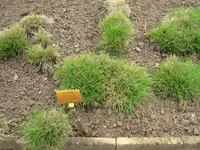
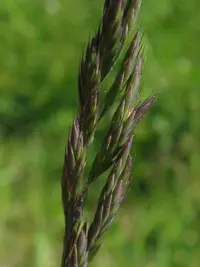
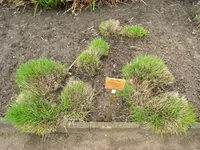
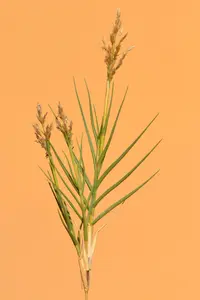
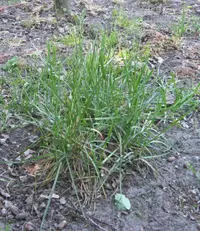
Smooth meadow-grass, Poa pratensis, is a cool-season perennial grass widely used in lawns, parks, and sports fields. It forms dense, fine to medium-textured turf with a rich green color. Rhizomes, which are horizontal underground stems, help it spread and fill gaps, creating a uniform surface. The plant naturally occurs in temperate regions of Europe, Asia, and has become common across North America. It prefers full sun to light shade, consistent moisture, and well-drained, fertile soil. These traits make it relatively easy to establish but it can thin out in deep shade, drought, or heavy wear. Basic knowledge of how to care for Smooth Meadow-grass supports a durable, attractive lawn.

Main Plant Requirements

Care Difficulty

Moderate Care

Light Preference

Full Sun

Water Requirements

Regular Water

Temperature Preference

Cool Climate

Hardiness Zone

3–7

Soil Texture

Loamy, Silty, Organic-rich

Soil pH

Slightly acidic (6.5–7.0), Neutral (7.0)

Soil Drainage

Moist but well-drained

Fertilization

Moderate (every 2–4 weeks)

Get Personalized Care Plan

Scan your plant to receive care tips personalized for your specific plant

Available on iOS and Android

How to Care for the Smooth Meadow-grass

This cool-season grass thrives with consistent light suited to temperate lawns and pastures.

  • Provide 4–6 hours of direct sun daily; morning sun with light afternoon shade helps prevent summer stress in Smooth Meadow-grass.
  • It tolerates light to moderate partial shade, but in areas with less than 3–4 hours of sun, expect thinner, more open turf.
  • In hot summers, protect from intense late-afternoon sun where possible, as strong heat plus full exposure can cause leaf scorch and dormancy.

This turf grass prefers evenly moist but not soggy soil, with adjustments based on season and rainfall.

  • In cool, active growth (spring, fall), water when the top 3–5 cm of soil feels dry, aiming for deeper, less frequent soakings that wet soil to 10–15 cm depth.
  • During hot, dry weather, increase watering frequency but keep the surface from staying constantly saturated to limit root rot and shallow rooting in Poa pratensis.
  • Watch for gray-blue, curling blades and slow spring-back as signs of dryness; yellowing patches, spongy soil, or algae indicate excess moisture and poor drainage.

This cool-season species performs best in mild conditions and weakens under prolonged heat.

  • Optimal active growth occurs around 60–75°F (16–24°C), with strongest performance in cool spring and fall weather.
  • The grass tolerates cold down to about 0°F (−18°C) once established, going dormant under snow yet usually resuming growth in early spring.
  • Heat above 85°F (29°C), especially with warm nights, stresses plants, encourages summer dormancy, and increases disease pressure, so adjust mowing height and irrigation during hot spells.

Poa pratensis prefers moderate outdoor humidity and usually does not need special humidity management.

  • Performs well in 40–60% humidity typical of many temperate outdoor climates.
  • Tolerates relatively dry air if soil moisture is maintained, so drought stress is usually more critical than humidity stress.
  • Humidity stress shows mainly as dry leaf tips and faster browning in full sun, reduced by consistent irrigation and mulch around Smooth Meadow-grass roots.

Poa pratensis grows best in evenly moist, well-structured mineral soil with steady aeration.

  • Choose a medium-textured loam with moderate organic matter, avoiding heavy clay that compacts and limits root growth.
  • Aim for pH 6.0–7.0; slightly acidic to neutral conditions support nutrient availability and dense turf formation.
  • Incorporate 2–5 cm of compost before seeding to improve structure, moisture retention, and microbial activity without creating a spongy surface.
  • On poorly drained sites, add sharp sand and core aerate to relieve compaction and reduce waterlogging, which encourages root rot and thinning.

This grass can be grown in containers, but it is better suited to larger outdoor areas such as lawns or sports surfaces.

  • Select a wide, shallow container to allow lateral spreading while preventing deep, frequently waterlogged soil layers.
  • Use a gritty, fast-draining mix such as 60% sandy loam, 30% compost, and 10% perlite to keep roots aerated after irrigation.
  • Place containers where they receive airflow and sun but are shielded from intense reflected heat, which can overheat the root zone.

Poa pratensis benefits from moderate, well-timed feeding, especially on lawns under regular use.

  • Use a balanced slow-release NPK fertilizer or high-quality lawn compost to support steady growth.
  • Feed 2–4 times during the active growing season, spacing applications 6–8 weeks apart.
  • Apply at label-recommended or slightly reduced rates to avoid burn, especially in hot, dry periods.
  • Stop or greatly reduce feeding in late fall and winter when growth slows or turf goes dormant.

Pruning Poa pratensis is essentially managed through mowing rather than selective cutting.

  • Mow during the active growing season, keeping blades sharp to reduce leaf tearing.
  • Remove only the top one-third of the leaf height at each mowing to maintain turf density.
  • Focus on thinning and raking out dead, matted, or diseased patches to improve air and light penetration.
  • Use a mower and a steel rake; spot-cut or remove damaged clumps with hand shears if necessary.

Transplanting Poa pratensis is mainly relevant for sod establishment, patch repair, or moving small turf sections.

  • Transplant in early fall or early spring when temperatures are mild and soil is workable.
  • Look for thinning patches, poor recovery, or compacted soil as signs the area may need renovation or sod replacement.
  • Lift and move sod sections with a flat spade, keeping roots and attached soil intact to limit stress.
  • Water deeply before and after transplanting, then keep soil evenly moist for 2–3 weeks until roots re-establish.

Poa pratensis is commonly propagated by seed and by division of established turf or sod.

  • Sow seed in early fall or early spring into finely prepared, firm soil with good drainage.
  • Aim for consistent soil moisture and good seed-to-soil contact to support uniform germination.
  • For division, cut healthy sod sections, then split into smaller pieces containing dense roots and shoots.
  • Replant divisions at the same depth, press firmly, and keep evenly moist while new roots develop.

Poa pratensis is a cold-hardy cool-season grass that usually needs minimal winter care in temperate regions.

  • Tolerates freezing conditions and snow cover, though extreme freeze–thaw cycles can stress turf.
  • Maintain a mowing height on the slightly higher side going into winter to support root reserves.
  • Apply a light mulch of shredded leaves or compost in exposed areas to buffer soil temperature.

Care Tips

Regular dethatching

Remove thatch mechanically once it exceeds about 1 cm to improve air, water, and nutrient penetration and reduce fungal disease pressure in Poa pratensis turf.

Core aeration timing

Perform hollow-tine core aeration in early fall or early spring to relieve soil compaction and encourage deeper rhizome growth and root development.

Overseeding thin areas

Overseed with a matching Poa pratensis cultivar in early fall, after aeration, brushing seed into the holes to thicken the stand and maintain a uniform, dense sward.

Mowing height adjustment

Maintain a consistent mowing height of 6–8 cm during heat or drought stress to shade the soil surface, support deeper rooting, and reduce weed invasion.

Proactive disease monitoring

Inspect the lawn closely during warm, humid periods for early signs of leaf spots, rust, or powdery mildew so that caring for Smooth Meadow-grass includes timely cultural or fungicidal interventions only when actually needed.

Common Pests and Diseases

Leaf spot (Drechslera)

This disease causes small, water-soaked spots on blades that expand into tan or brown lesions, often with darker borders. Symptoms include thinning patches and a scorched look in warm, humid weather or under stress.

Solution

Reduce leaf wetness by watering early in the day and avoid frequent, shallow irrigation. Mow at the recommended height, collect and remove heavy clippings, improve air flow, and use a labeled fungicide for leaf spots on Kentucky bluegrass if cultural changes are not enough.

Summer patch

This disease attacks roots and crowns, leading to circular or irregular dead patches that turn tan or straw-colored in mid to late summer. Symptoms include plants pulling up easily due to root rot in stressed, compacted, or overwatered turf.

Solution

Manage soil moisture carefully, avoid overwatering, and improve drainage and aeration to reduce stress on the turf. Maintain moderate nitrogen, avoid heavy fertilization in late spring, and apply a preventive systemic fungicide in late spring if summer patch has occurred before.

Powdery mildew

This disease produces white, powdery growth on grass blades, especially in shaded, cool, and poorly ventilated areas. Symptoms include a dull, gray appearance and gradual thinning of the stand.

Solution

Increase light by selective pruning of nearby shrubs or trees and improve air movement over the lawn. Reduce shade-adapted stress by using more shade-tolerant turf species in problem areas and apply a labeled fungicide if cultural corrections do not control the issue.

Billbugs

These insects are snout beetles whose larvae feed inside stems and on roots, causing turf to turn brown and break off easily, resembling drought stress. Symptoms include small dead spots that enlarge and grass that pulls apart in pieces filled with sawdust-like frass.

Solution

Monitor for adult billbugs in late spring and early summer and target larvae with an appropriate systemic lawn insecticide at the correct timing. Reduce thatch, improve lawn vigor with proper fertilization and irrigation, and overseed damaged areas with healthy seed to restore density.

White grubs

These insects are beetle larvae that feed on roots, leading to wilted, yellowing patches that can be rolled back like a carpet when damage is severe. Symptoms include increased animal digging as birds, skunks, or raccoons search for grubs.

Solution

Confirm presence by lifting small sections of turf and counting grubs, then apply a grub-specific lawn insecticide at labeled rates and timing. Maintain a healthy, deep-rooted turf through proper mowing height, moderate fertilization, and deep, infrequent watering to reduce long-term impact when growing Smooth Meadow-grass.

Interesting Facts

Rhizome-based spread

Poa pratensis forms dense sods by underground stems called rhizomes, which knit together soil particles and create a resilient turf that recovers well from foot traffic.

Cold-climate specialist

This grass is a cool-season species that stays actively growing and green in mild spring and fall temperatures, then slows or goes dormant during hot summers.

Key pasture species

In temperate regions, it is a valued forage grass for livestock because of its fine leaves, good regrowth after grazing, and relatively high nutritional quality compared to many wild grasses.

Botan icon

Did you know?

Genetic studies show that Poa pratensis often reproduces by apomixis, a form of asexual seed production where seeds develop without fertilization, allowing successful genotypes to persist and spread widely across different climates.

FAQs about Smooth Meadow-grass

This cool-season turf grass can spread aggressively by rhizomes in cool, moist climates. In some regions it is listed as invasive in natural areas, so check local guidelines before planting near prairies, wetlands, or restoration sites.

Grow Healthy Plants with Botan Care

Keep your plants happy and healthy with plant identification, disease detection, and easy care guidance.

Botan plant care app — identify plants on mobile

Explore More Plants