What Are Grasses, Exactly?
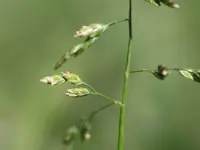
Grasses belong to Poaceae — a single plant family that includes around 12,000 species across roughly 760 genera. The family spans everything from fine lawn turf to bamboos that can exceed 30 meters in height.
They cover 40.5% of Earth’s terrestrial surface, excluding Greenland and Antarctica. That makes Poaceae the ecological backbone of savannas, steppes, and prairies.
The Four Functional Grass Categories
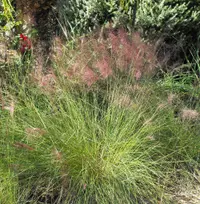
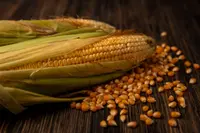
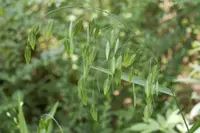
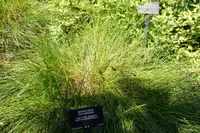
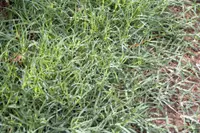
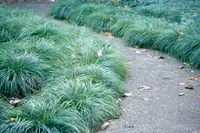
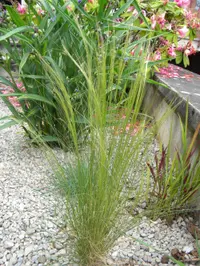
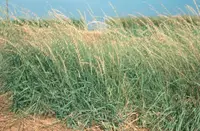
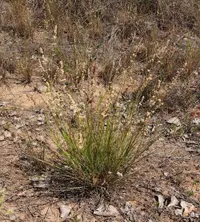
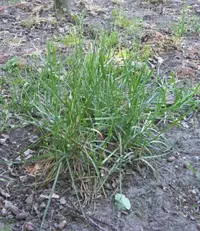
The full list of grasses can be divided into four main functional groups — lawn, ornamental, cereal, and wild.
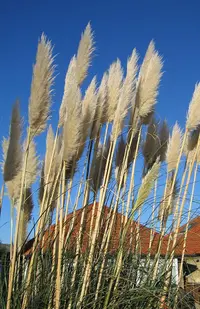
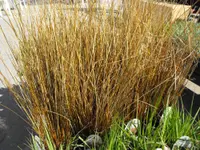
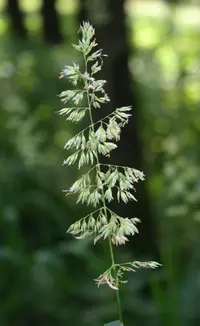
Some categories overlap. For example, Switchgrass is both a native wild species and an increasingly popular ornamental.
The Three Major Subfamilies of Poaceae
Poaceae is divided into 12 subfamilies, but three account for most of its species. The largest families are Pooideae (3,900 species), Panicoideae (3,200 species), and Bambusoideae (1,670 species). They include nearly all economically significant plants.
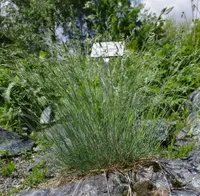
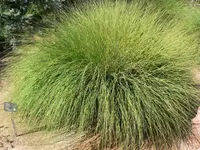
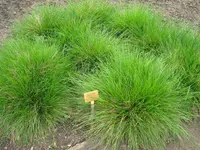
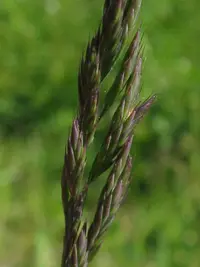
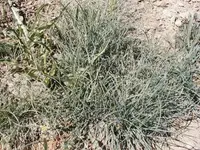
Pooideae includes cool-season species adapted to temperate climates with cold winters and spring-to-fall growing seasons, such as Blue Fescue.
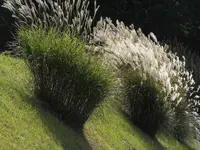
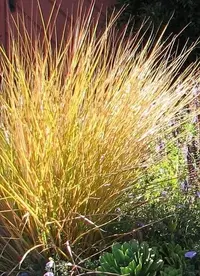
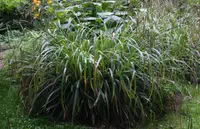
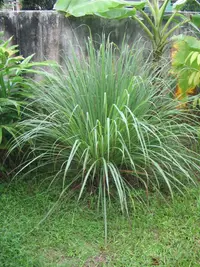
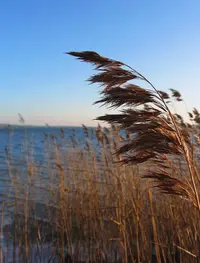
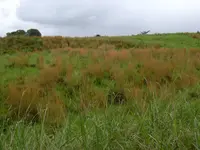
Panicoideae includes most warm-season plants that favor tropical and subtropical climates, such as Maiden Grass.
Bambusoideae includes all true bamboos that develop persistent woody stems rather than dying back each season. They range from compact ornamentals to forest-forming giants, such as Black Bamboo.
What Separates True Grasses from Their Look-Alikes
Sedges and rushes share similar habitats with true grasses and look alike. However, they belong to a different plant family with its own distinct stem structure.
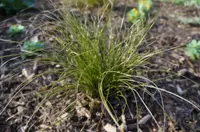
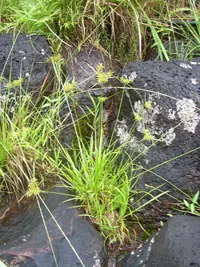
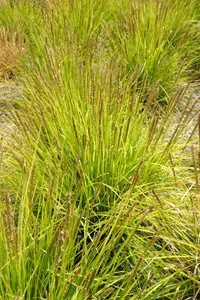
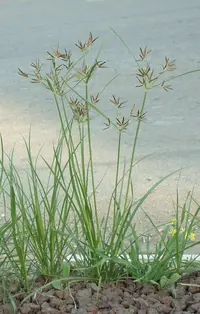
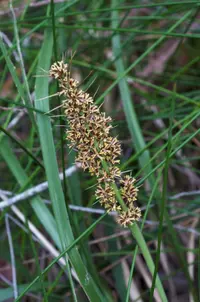
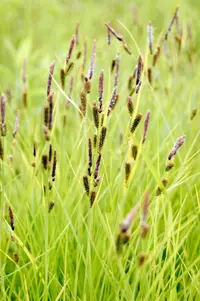
True grass stems are round, hollow, and divided by solid joints. Sedge stems (Cyperaceae) are triangular and solid all the way through, with no hollow center and no joints. Buchanan's Sedge clearly shows this three-sided profile.
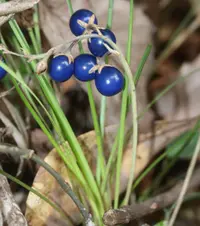
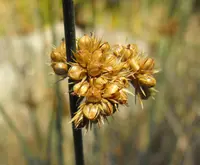
Rushes (Juncaceae) are round but solid and unjointed, with leaves often reduced to sheaths rather than full blades. Comparing grass names and pictures can make all three distinctions clearer, and you can find all the types and species on Botan.