What Defines a Flowering Plant?
A flowering plant (angiosperm) is any species that reproduces through flowers and carries seeds enclosed within a fruit. This group makes up over 80% of all known plants. We grow them in our gardens, eat them at the table, and keep them on windowsills.
The full range includes very different species, from roses and apple trees to basil. Even oaks, grasses, and duckweed belong to the same group.
Diversity & Global Presence
The category includes around 295,383 known species, though some researchers suggest it has already reached 350,000+ known plants.
Some of them are very common. Some flower names are ones most people have never heard of, as some rare plants grow even in the most severe conditions and areas, including polar regions.
For example, Desert Willow is extremely drought-tolerant and can survive in Sonoran, Chihuahuan, and Mojave deserts. Purple mountain saxifrage blooms at 13,000 feet (4,000 meters) and survives extreme UV radiation and low temperatures.
Flower Parts and Their Purposes Explained
Every part of such a plant does its own job. Sepals protect the bud before it opens. Petals attract pollinators with their vivid color, shape, and scent. Stamens act as the male organs, and the anther produces pollen.
The pistil is in the center, collects the pollen, and fertilizes the ovules inside the ovary, which then develops into a fruit. The exact structure depends on whether the plant is pollinated by wind or by insects.
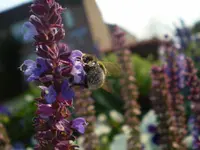
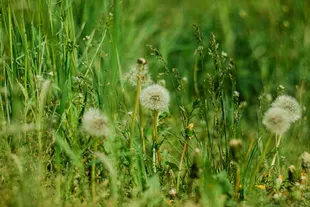
Wind-pollinated species, such as many grasses and birches, rely on anthers and release pollen into the air. Insect-pollinated species invest their energy in color, scent, and nectar to attract pollinators.
What You'll Find in the Botan Flower List
Here, you’ll find all flowers in one place, organized by type and origin. With Botan lists, you can explore garden species, wild plants, houseplants, shrubs, and trees with one click or tap.
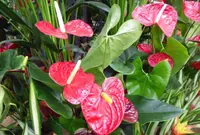
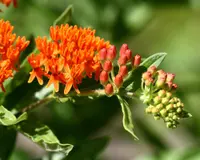
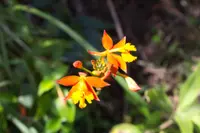
Learn more about wild species like Butterfly Weed or set care requirements for houseplants like Flamingo Flower. Use filters to sort the list above and make the search even simpler.