7 min read · 6 Aug 2026
Planting Grass Seed in Summer – What Works and What Fails
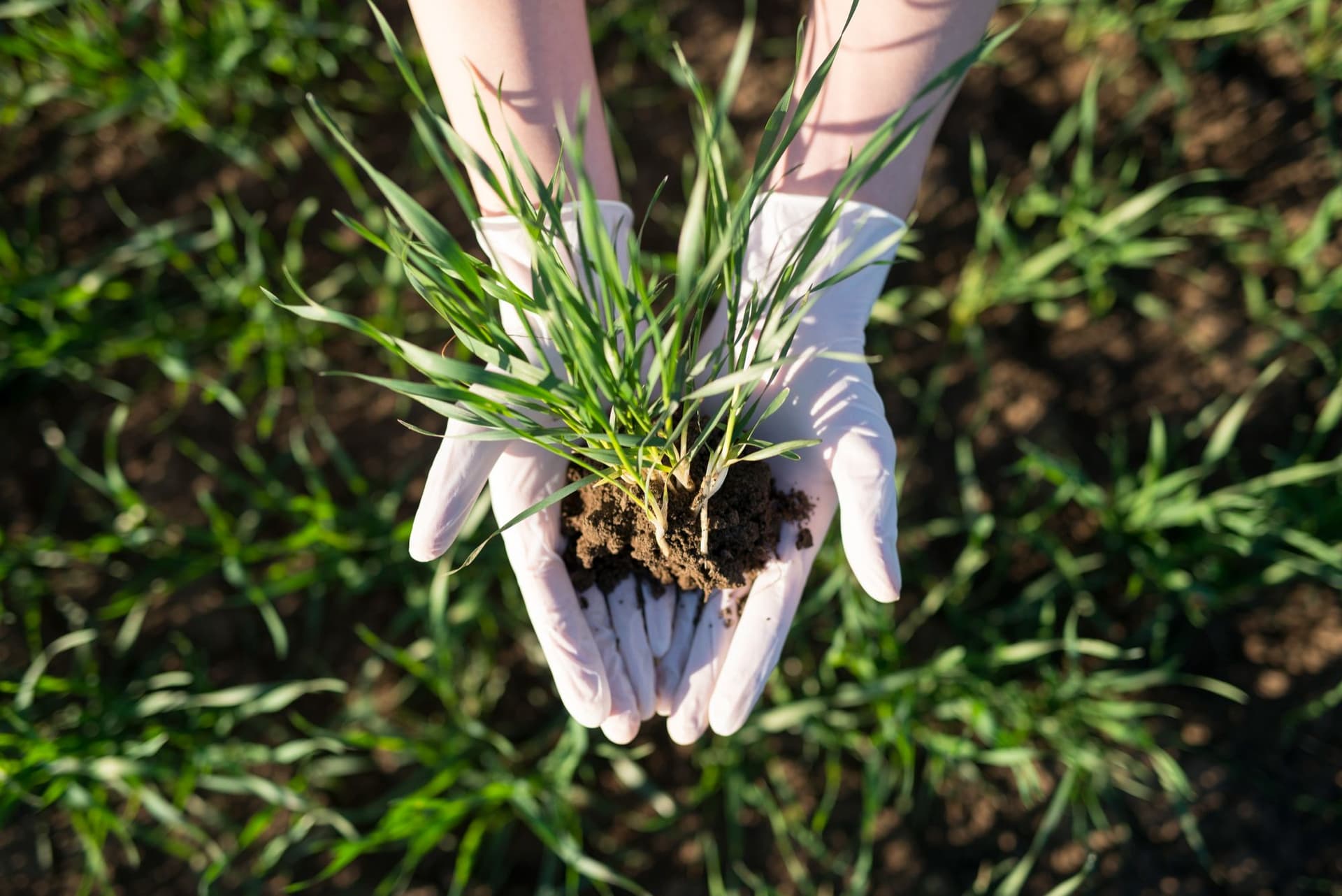
Summer seeding succeeds when the grass type suits the season, and the soil stays moist. Find out how to prepare the seedbed and choose a safe window for planting.
The following list of weeds includes plants that appear where no one planted them. Among them, you'll find both lawn invaders and field pests.
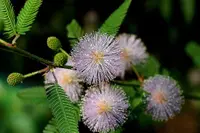
POPULARSensitive Plant
Mimosa pudica
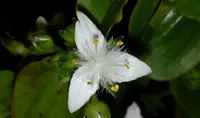
POPULARSmall-leaf spiderwort
Tradescantia fluminensis
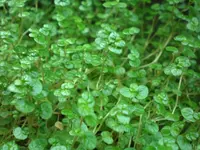
POPULARBaby's Tears
Soleirolia soleirolii

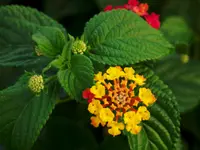
West Indian Lantana
Lantana camara

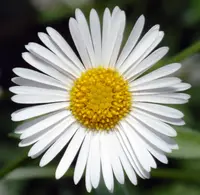
Santa Barbara daisy
Erigeron karvinskianus

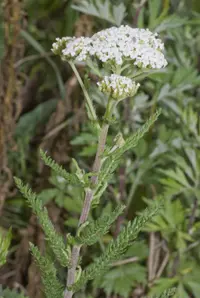
Yarrow
Achillea millefolium

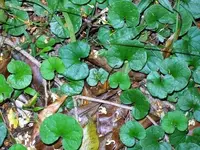
Kidney weed
Dichondra repens

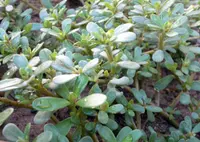
Purslane
Portulaca oleracea

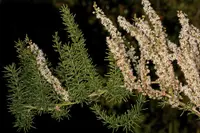
Sprenger's asparagus
Asparagus aethiopicus

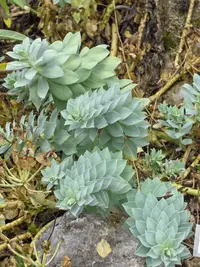
Myrtle spurge
Euphorbia myrsinites

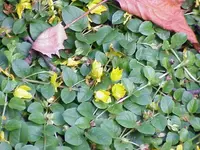
Creeping jenny
Lysimachia nummularia

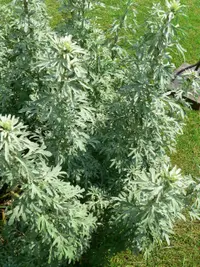
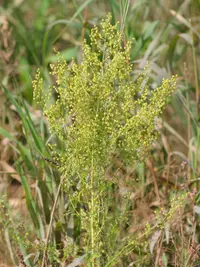
Wormwood
Artemisia absinthium

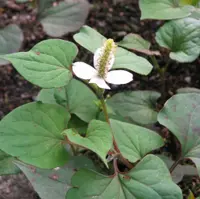
Chameleon plant
Houttuynia cordata

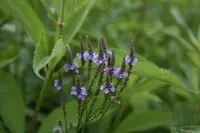
Blue vervain
Verbena hastata

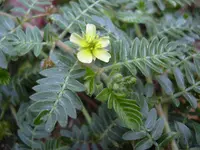
puncturevine
Tribulus terrestris

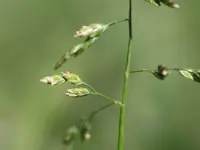
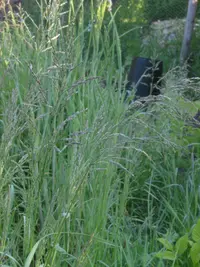
annual bluegrass
Poa annua

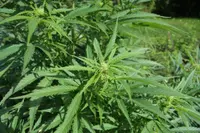
cannabis
Cannabis sativa

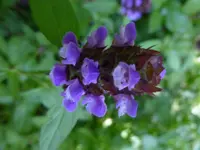
selfheal
Prunella vulgaris

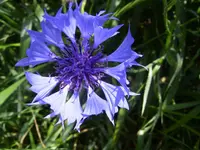
cornflower
Centaurea cyanus

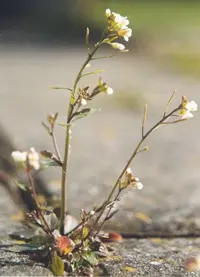
thale cress
Arabidopsis thaliana

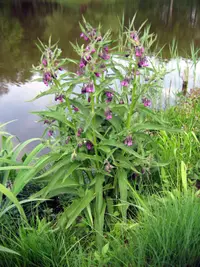
common comfrey
Symphytum officinale

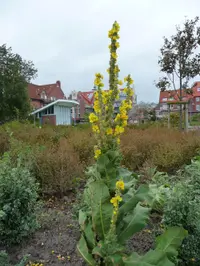
great mullein
Verbascum thapsus

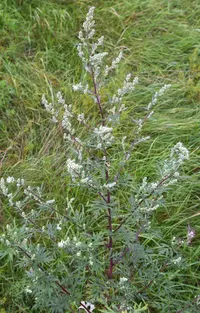
mugwort
Artemisia vulgaris

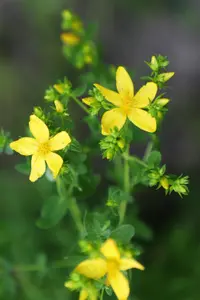
St. John's wort
Hypericum perforatum

sweet wormwood
Artemisia annua

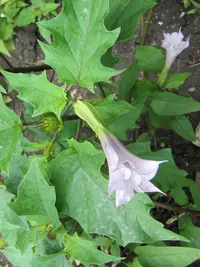
jimsonweed
Datura stramonium

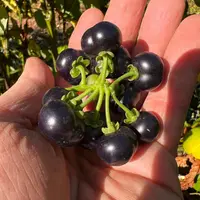
black nightshade
Solanum nigrum

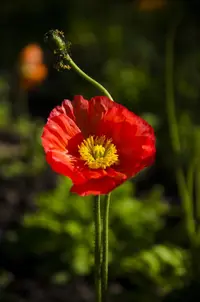
corn poppy
Papaver rhoeas

rough bluegrass
Poa trivialis

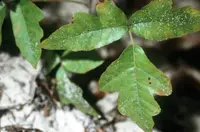
eastern poison oak
Toxicodendron pubescens

castor oil plant
Ricinus communis

sacred datura
Datura wrightii

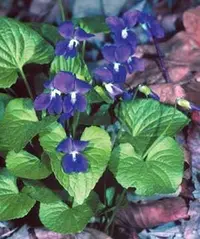
common blue violet
Viola sororia

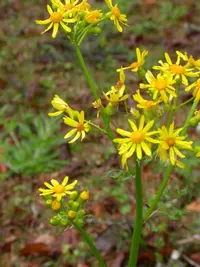
butterweed
Packera glabella

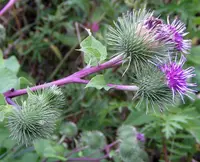
greater burdock
Arctium lappa

Aztec tobacco
Nicotiana rustica

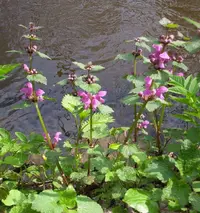
spotted dead-nettle
Lamium maculatum

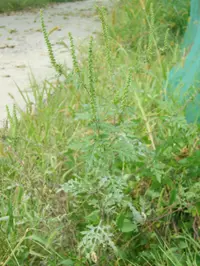
common ragweed
Ambrosia artemisiifolia

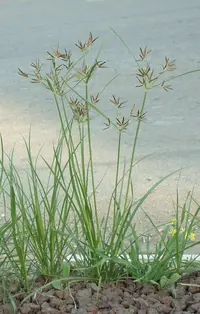
nutgrass
Cyperus rotundus

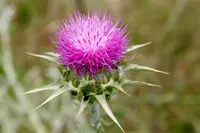
milk thistle
Silybum marianum

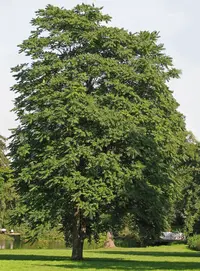
tree of heaven
Ailanthus altissima

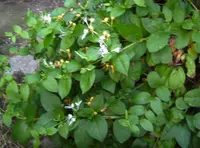
Japanese honeysuckle
Lonicera japonica

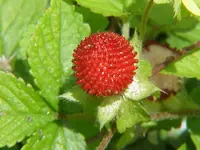
mock strawberry
Potentilla indica

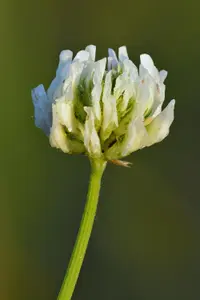
white clover
Trifolium repens

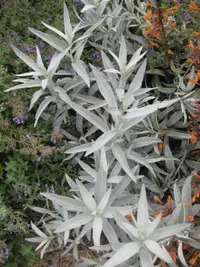
prairie sage
Artemisia ludoviciana

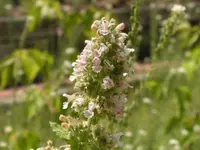
catnip
Nepeta cataria

bitter lettuce
Lactuca virosa

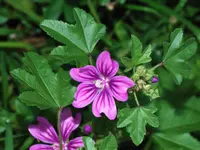
high mallow
Malva sylvestris

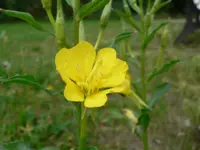
evening primrose
Oenothera biennis

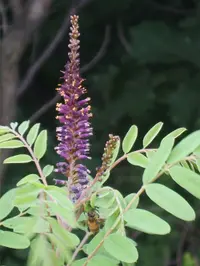
false indigo bush
Amorpha fruticosa

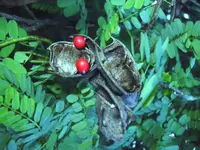
rosarypea
Abrus precatorius

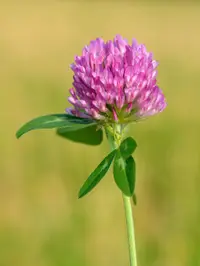
Red Clover
Trifolium pratense

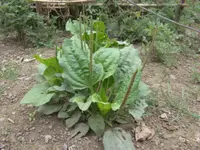
Greater Plantain
Plantago major

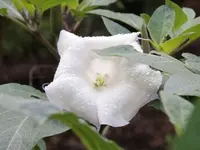
metel devil's trumpet
Datura metel

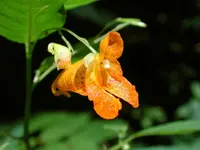
orange balsam
Impatiens capensis

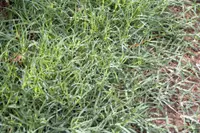
Bermudagrass
Cynodon dactylon

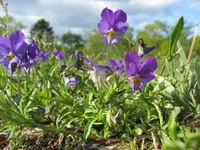
Wild Pansy
Viola tricolor

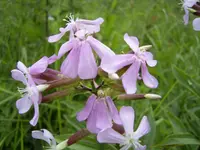
bouncingbet
Saponaria officinalis

turkey tangle fogfruit
Phyla nodiflora

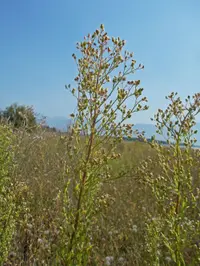
mare's tail
Erigeron canadensis
Download our free app and get access to thousands of plants database with AI-powered identification
Calling something a weed is more a matter of subjective judgment than a botanical fact. Any plant on Earth becomes a weed the moment it grows where you don't want it. That same plant may be someone's pride and joy elsewhere — for example, a dandelion feeds bees and is perfect for a salad.
The scale of this phenomenon is truly astonishing, as only about 8,000 of the world's 250,000 known plant species behave like weeds. Only 200-250 of these actually cause crop damage, so not all weeds deserve their bad name.
A weed's life cycle reveals much about its tenacity. Some complete their cycle in one season, while others require two years. Many simply take root and return each time.
In the table below, you'll find the names of weeds sorted by this life cycle, which determines the speed and range of their spread.
Perennials are the most troublesome for gardeners, as removing the tops only stimulates new growth. Annuals, on the other hand, reproduce by seed, so early control really pays off. Each species requires its own approach.
Weeds are also divided into distinct groups based solely on their structure. Broadleaf weeds have broad leaves with branched veins — dandelion and clover are classic examples. Grassy weeds such as crabgrass, on the other hand, have narrow leaves with parallel veins.
Sedges quietly complete this trio, looking very similar to grasses until their sturdy, triangular stems give them away. The grid above matches the names of weeds with pictures, so you can identify at a glance what's invading your borders.


7 min read · 6 Aug 2026
Summer seeding succeeds when the grass type suits the season, and the soil stays moist. Find out how to prepare the seedbed and choose a safe window for planting.
.jpg&w=1920&q=75)
12 min read · 18 Jun 2026
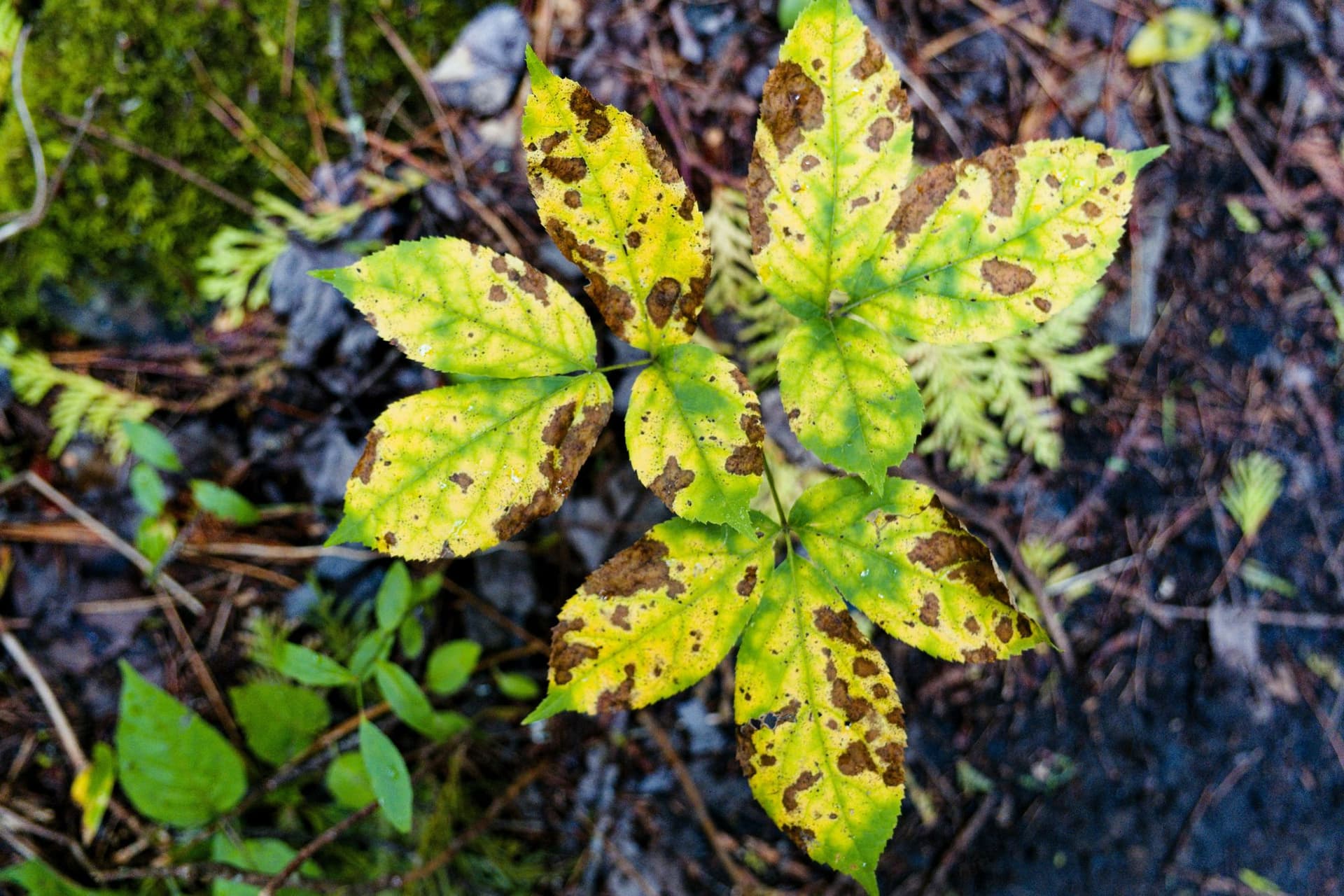
Brown spots on plant leaves usually signal watering, soil, infection, or environmental issues. To fix them, first identify the exact cause — Botan App can help diagnose it faster, or you can use this guide to narrow it down yourself.
15 min read · 9 Jun 2026
Most people care about privacy but rarely check app permissions, even though popular apps often request extensive data access. The good news: managing permissions is easier once you know which requests are normal and which go too far.