What are Lichens?
Lichens are complex organisms that represent a symbiosis between a fungus and a photosynthetic partner — typically a green alga or a cyanobacterium. The fungus provides structure and protection, and the partner produces nutrients.
All types of lichen are classified as fungi, not plants, and there are approximately 19,400 recognized species worldwide.
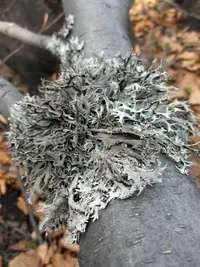
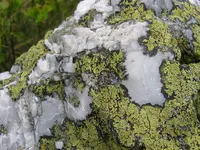
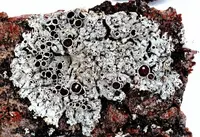
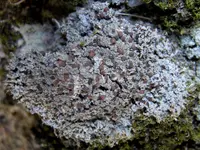
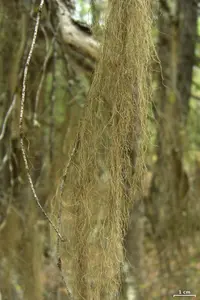
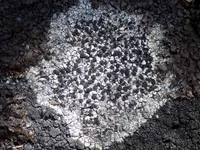
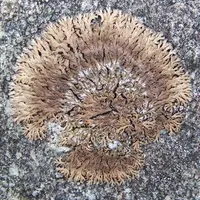
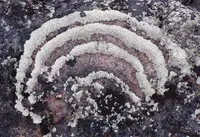
Lichen types are classified according to the form of their thallus. There are three main growth forms, which differ in their structure, method of attachment, and overall appearance:
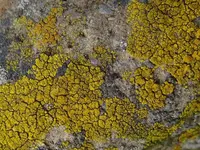
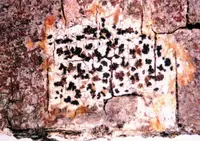
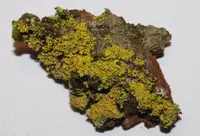
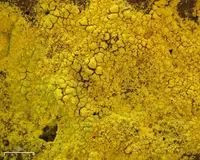
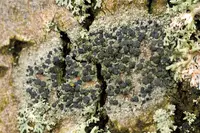
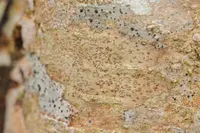
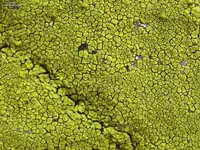
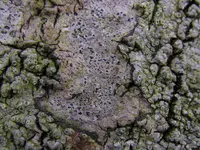
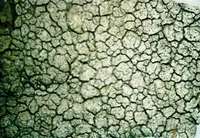
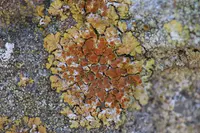
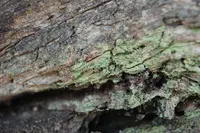
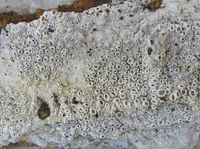
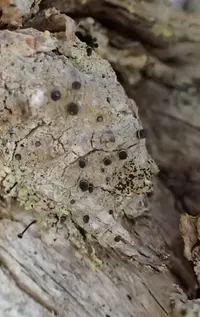
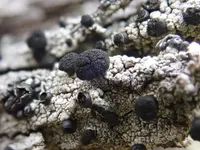
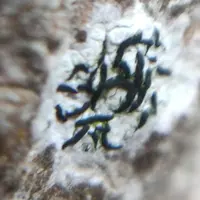
- Crustose: a flat crust fused to a rock or bark surface; it cannot be peeled off.
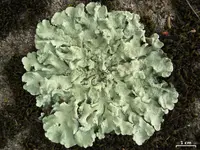
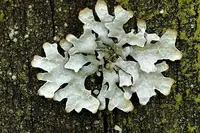
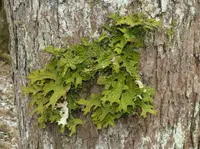
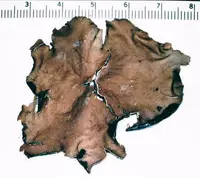
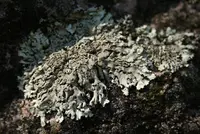
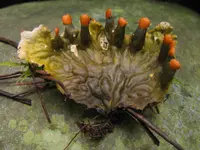
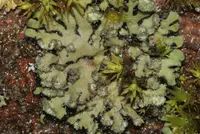
- Foliose: leaf-like lobes, loosely attached by rhizines; these can be easily peeled off.
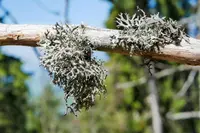
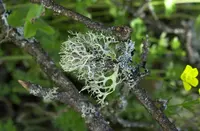
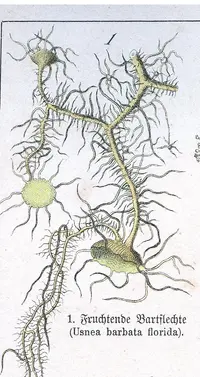
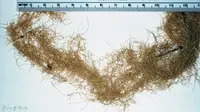
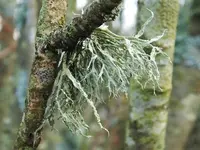
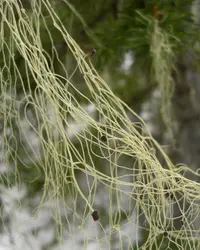
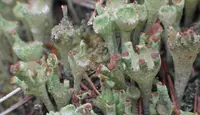
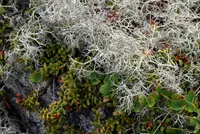
- Fruticose: a hair-like or shrubby thallus that grows outward from a single attachment point.
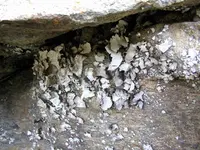
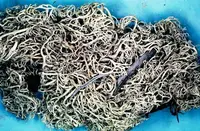
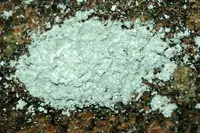
Other growth forms include squamulose (small, scale-like structures), leprose (powdery, without a well-defined outer surface), and filamentous (fine, thread-like structures).
Major Lichen Genera and Their Species Counts
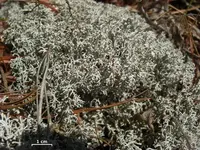
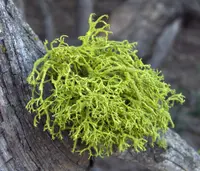
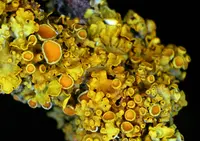
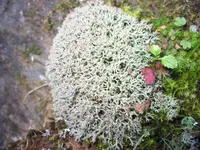
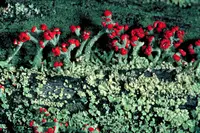
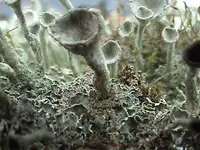
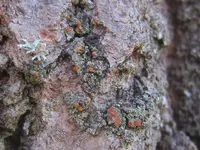
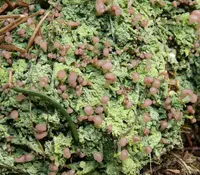
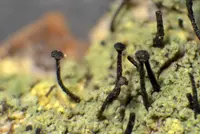
The genus Cladonia is one of the most diverse — it has about 500 species, including Cladonia rangiferina. The genus Lecanora exceeds 500 species, while Usnea contains about 130, and Peltigera consists of approximately 100. The genus Xanthoria includes 19 species, among which is the well-known X. parietina.
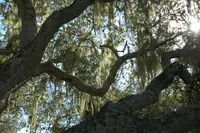
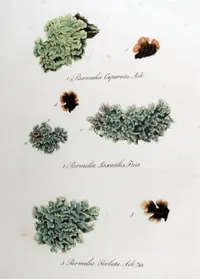
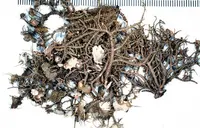
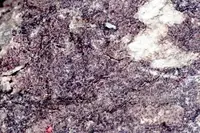
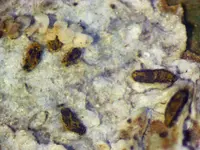
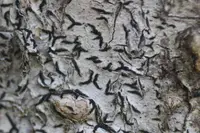
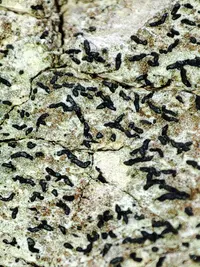
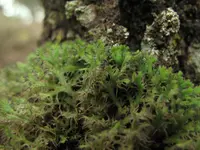
Species of the genera Lecanora and Xanthoria typically grow on tree bark or rocks, and Usnea hangs from branches. Cladonia and Peltigera prefer to grow in the soil or among mosses. Use the lichen images provided in the grid above to find a preferred species.