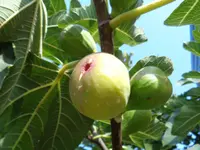
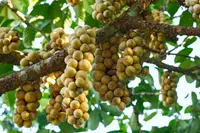
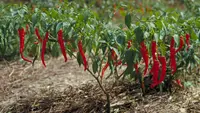
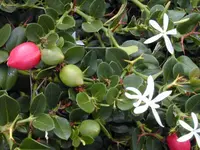
What Actually Counts as a Fruit
Botanically, it’s the mature ovary developed from a flower after pollination. Common fruits like apples, oranges, and peaches fall into this category from both scientific and culinary standpoints.
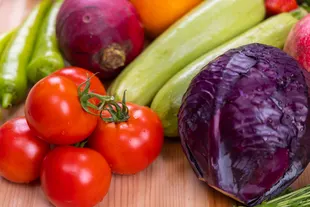
However, tomatoes, cucumbers, and peppers are also botanical fruits, regardless of how they are used in cooking. Also, the category includes some unexpected species, such as Black Walnuts and Sweet Chestnuts.
The Range of Fruits & Plants That Bear Them
They grow on a wide variety of plants, all different in type and structure.
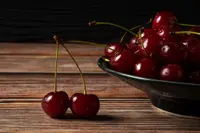
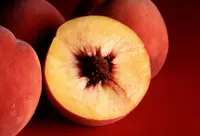
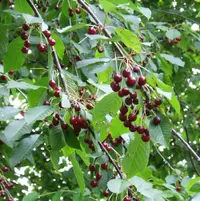
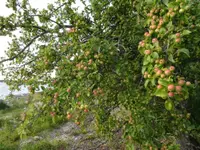
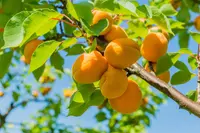
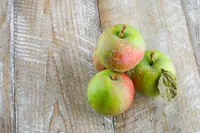
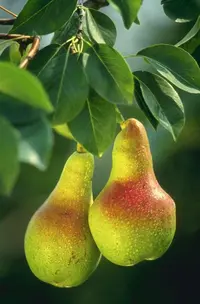
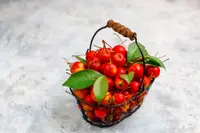
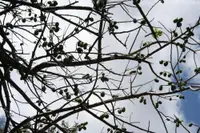
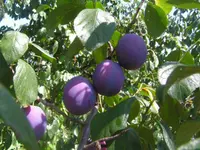
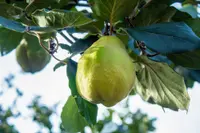
Stone species, such as peaches and cherries, and pome species, such as pears and apples, grow on deciduous trees. Citruses like mandarins, lemons, limes, and citrons (all are botanically berries, though) develop on evergreen trees and shrubs.
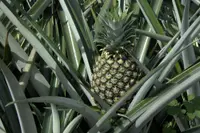
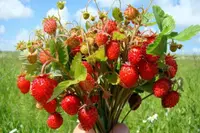
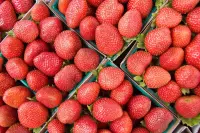
Strawberries grow on low perennial herbs and are classified as accessory fruits. Pineapples also grow on short herbaceous plants that don’t exceed 3-5 feet (1-1.5 meters).
Wild & Cultivated: How Many Fruit Species Actually Exist
Among 7,000 edible plant species, roughly 2,000-3,000 are fruits. Only 150 of them are widely cultivated. Others are either wild-growing or commonly grown and consumed only in their native regions.
Cultivation is highly geographically concentrated. China accounts for around 54% of global apple production. India produces around 40% of the world's mangoes, while Brazil leads orange production with 22%.
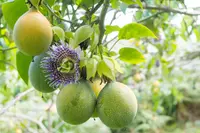
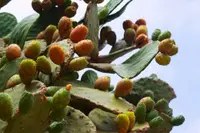
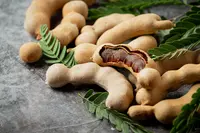
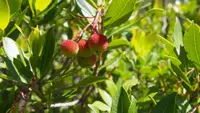
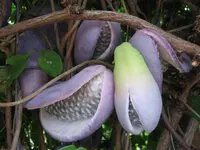
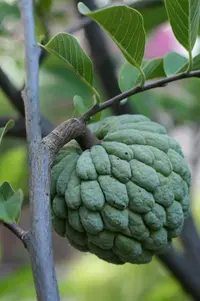
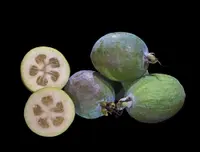
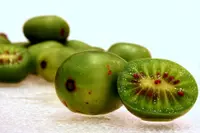
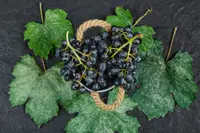
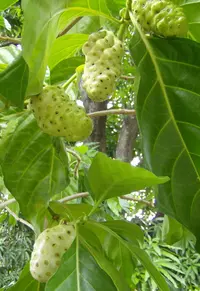
Rare and regional fruits, such as Icecreambean, consumed across the Amazon basin, and Mangosteen, found in Southeast Asia, rarely reach international markets. They often have a short shelf life, low yield, or both.
Perennial or Annual: How Fruit Plants Complete Their Lifecycle?
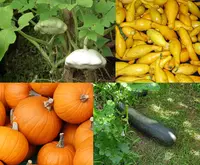
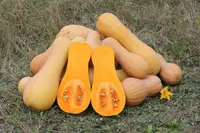
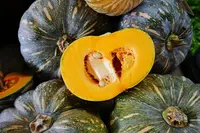
The majority of these plants are perennials, but exceptions exist. Annuals make up a smaller group that includes species such as squash, pumpkins, melons, and watermelons.
The difference between the species can be seen below:
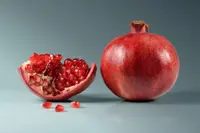
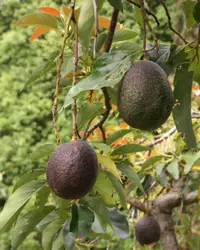
All fruits have their own growth pattern. Moreover, they have different structures (pome, stone, or berry), along with different pollination and climate needs.