What Makes a Plant a Succulent?
Succulents share a common characteristic, not a close relationship. Each stores water in its leaves, stems, or roots, which creates a reserve that helps them survive long droughts. It is this ability that allows them to thrive in places where most plants would simply wither.
The vast diversity of succulent names spans over 60 plant families, most of which are barely related to each other. Nature has essentially found the same solution in different parts of the world, which botanists refer to as convergent evolution.
Cacti are Succulents Too
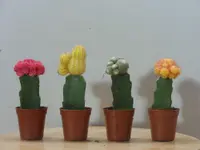
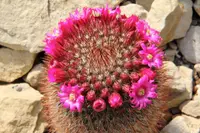
People like to separate cacti from succulents, but this distinction isn't entirely valid. A cactus is simply a subspecies within the broader group of succulents. Every cactus is considered a succulent, although most succulents look nothing like cacti.
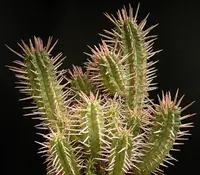
What truly distinguishes cacti is the areole — a small cushion that spines grow from, which appears in no other family. Their spines are actually modified leaves, and the green stems perform photosynthesis while the true leaves shrink right back.
Main Succulent Genera and Their Distinctive Features
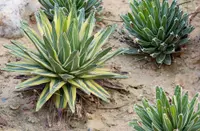
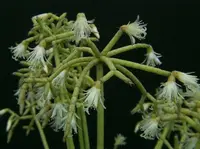
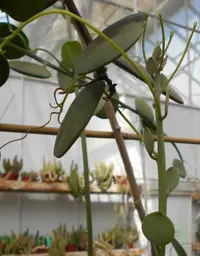
A few genera dominate almost any succulent shelf. This list of succulent plants relies heavily on these large species, which vary greatly in size, shape, and origin. The table below sorts them by the approximate number of species and distinctive characteristics.
What This Page Collects
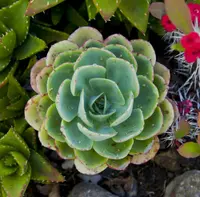
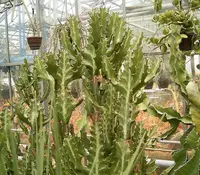
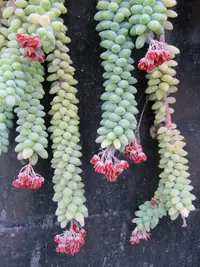
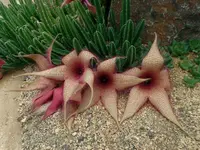
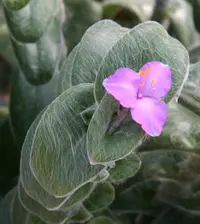
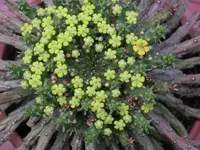
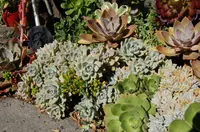
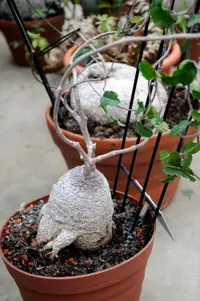
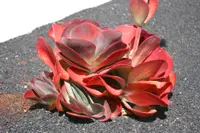
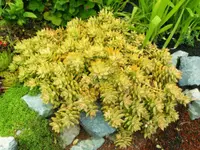
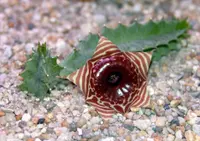
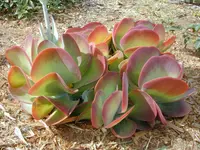
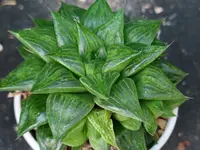
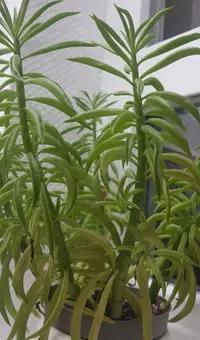
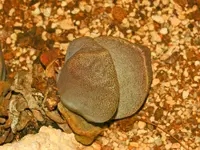
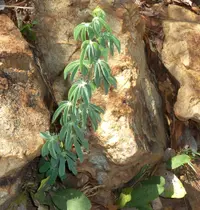
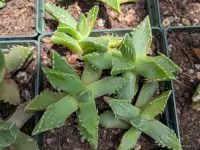
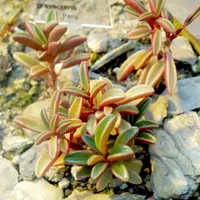
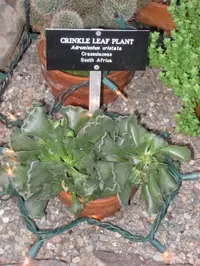
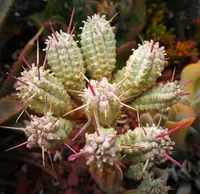
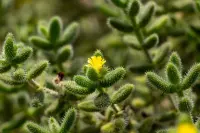
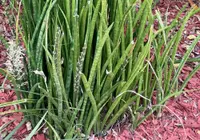
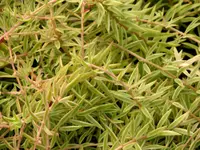
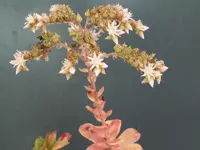
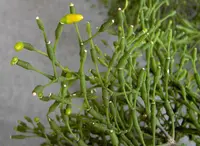
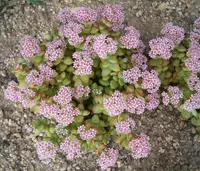
The grid above summarizes species from all of these genera and families. Cacti are presented on a separate page, so you'll find a more general list here. Each entry has its own name and photo, which makes it easy to quickly distinguish between two similar species.