Rotate for symmetry
Rotate the pot 90° every 2–3 weeks so all sides receive similar light, which keeps the stems compact and prevents the plant from leaning heavily to one side.

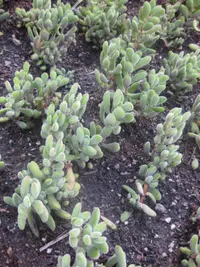
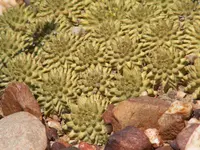
Crassula rogersii is a compact succulent shrublet from South Africa, valued for its thick, finger-like leaves and tidy clumping habit. The foliage often develops red or bronze tones in strong light, adding visual interest in small arrangements.
It typically stays low and spreading, so it suits containers, rock gardens, and windowsills rather than large landscape plantings. Small starry flowers may appear in the right conditions but are not its main feature.
This species is generally easy to manage for those who learn how to care for Crassula rogersii, as it tolerates some neglect, prefers bright light, and needs free-draining, gritty soil with modest watering.

Care Difficulty
Easy Care

Light Preference
Full Sun

Water Requirements
Low Water

Temperature Preference
Tropical / Frost Sensitive

Hardiness Zone
10–11

Soil Texture
Sandy, Loamy, Rocky

Soil pH
Slightly acidic (6.5–7.0), Neutral (7.0)

Soil Drainage
Well-drained

Fertilization
Minimal (feed rarely)
Scan your plant to receive care tips personalized for your specific plant
Available on iOS and Android
This compact succulent prefers bright, gentle sun to maintain dense growth and healthy color.
This species stores water in its leaves, so watering must be infrequent and guided by soil dryness.
This succulent prefers warm, dry conditions and reacts poorly to frost and prolonged cold.
This succulent handles typical indoor humidity easily and rarely needs special adjustment.
This species prefers a sharply draining, mineral-rich succulent mix that dries out quickly between waterings.
This compact succulent is well suited to container growing.
This compact succulent benefits from light feeding during its active season but is sensitive to excess nutrients.
This plant responds well to light structural pruning that maintains a compact, tidy form.
This slow-growing succulent prefers tight quarters and only needs infrequent repotting.
This species is commonly multiplied from cuttings, which root reliably under the right conditions.
This succulent is frost sensitive and needs protection from freezing conditions in most climates.

Plant Health Check
Not sure what's wrong with your plant? Check your plant's health inside the app.
This species has cylindrical leaves covered with fine hairs that help reduce water loss by creating a still air layer on the surface, an adaptation to very dry, exposed habitats in its native range in South Africa.
It naturally occurs as a small, low-growing subshrub on rocky, often coastal slopes in the Eastern and Western Cape, where it endures strong winds, high light, and sporadic rainfall.
Although the leaves feel soft and almost plush to the touch due to the hairs, the tissues store water efficiently, allowing the plant to survive extended dry spells when growing in thin, stony soils.
Growth is relatively slow. In good conditions, it may add only a few centimeters each year, forming a low, compact clump over several seasons. Limited root space, low light, or cool temperatures slow growth even more.
Keep your plants happy and healthy with plant identification, disease detection, and easy care guidance.