Agave albomarginata Care

About Agave albomarginata

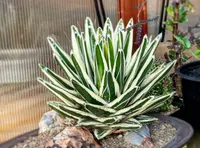
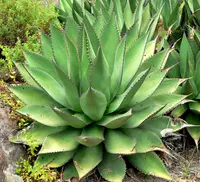
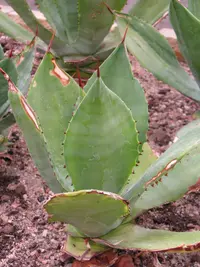
Agave albomarginata is a compact succulent agave known for its rosettes of stiff, blue‑green leaves edged with distinct white margins and small teeth. It stays relatively small compared with many other agaves, which makes it suitable for containers and rock gardens.

This species is native to arid regions of Mexico, where it grows in well-drained, rocky soils and full sun. Its slow growth, drought tolerance, and minimal pruning needs generally make it straightforward to care for Agave albomarginata.

It prefers bright light, low to moderate moisture, and gritty, fast-draining soil to avoid root problems in cultivation.


Main Plant Requirements

Care Difficulty

Easy Care

Light Preference

Full Sun

Water Requirements

Low Water

Temperature Preference

Warm Climate

Hardiness Zone

9–11

Soil Texture

Sandy, Loamy, Rocky

Soil pH

Slightly acidic (6.5–7.0), Slightly alkaline (7.0–7.5)

Soil Drainage

Well-drained

Fertilization

Minimal (feed rarely)

Get Personalized Care Plan

Scan your plant to receive care tips personalized for your specific plant

Available on iOS and Android

How to Care for the Agave albomarginata

This compact agave prefers strong, direct light similar to its native desert habitat.

  • Provide 6–8 hours of full sun daily; morning sun plus bright afternoon light suits most outdoor sites.
  • Plant Agave albomarginata in an open, unshaded position; it tolerates light afternoon shade in very hot regions to limit leaf scorch.
  • In summer, monitor for bleaching or crispy leaf tips from extreme sun; in cooler months, avoid deep shade, which causes stretching and weak growth.

This species stores water in its leaves and needs infrequent but thorough watering.

  • Let soil dry out deeply between waterings; in the ground, wait until the top 5–8 cm feels dry and leaves lose slight firmness.
  • During active growth in spring–summer, water after dry spells, ensuring soil drains quickly and no puddles remain around the rosette.
  • In fall–winter, reduce watering sharply; signs of overwatering include yellowing, soft leaves and crown rot, while severe wrinkling indicates prolonged drought.

This drought-tolerant agave prefers warm, arid conditions and dislikes extended cold or damp.

  • Aim for daytime temperatures of 70–90°F (21–32°C) during the growing season for best vigor and compact rosettes.
  • Short drops to about 25°F (−4°C) may be tolerated if soil is very well-drained and conditions stay dry, but frost can damage leaf tips.
  • In regions with winters below 25°F (−4°C), provide frost protection or grow in a movable container, and shield from extreme heat above 100°F (38°C) with light afternoon shade.

This species tolerates a wide range of indoor humidity and rarely needs special adjustment.

  • Target 30–50% humidity, similar to most heated homes, to reduce minor leaf-edge browning over time.
  • Dry air from heating vents is usually acceptable but can increase tip desiccation, so avoid placing the plant in direct airflow.
  • True humidity stress shows as progressive, dry brown margins rather than soft or mushy tissue, which indicates overwatering instead.

Soil for this desert agave must be very fast-draining and highly mineral to prevent root rot.

  • Use a gritty mix such as 50–70% inorganic material (pumice, coarse sand, or small gravel) blended with 30–50% cactus potting mix.
  • Aim for slightly acidic to neutral pH around 6.0–7.0, avoiding very alkaline, compacted ground that can lock up nutrients.
  • Improve aeration by including chunky particles 3–10 mm across, which create air pockets and stop water from pooling around the roots.
  • Avoid clay-heavy, peat-heavy, or water-retentive mixes that stay wet longer than 2–3 days after a thorough watering, as these promote rot in Agave albomarginata.

This species is well suited to container culture when given a stable, fast-draining setup.

  • Choose a pot only 2–5 cm wider than the rosette so the mix dries evenly and does not hold excess moisture around inactive roots.
  • Use a heavy terracotta or clay pot if the rosette is large, as added weight reduces tipping in windy or exposed spots.
  • Raise the pot slightly on feet or pot risers so drainage holes clear the surface and excess water can exit quickly after rain or watering.

This slow-growing succulent needs only light feeding to support healthy foliage and root development.

  • Use a low-dose, balanced NPK liquid fertilizer or cactus formula at 1/4–1/2 strength for Agave albomarginata during active growth.
  • Apply every 6–8 weeks in spring and summer to potted plants, skipping feeding if growth is already strong.
  • Avoid fertilizing in late fall and winter when growth slows or stops, to prevent weak, etiolated tissue.
  • Never apply fertilizer to dry soil; water lightly first, then feed to reduce root burn risk.

Pruning for this agave is mainly sanitary, aimed at removing unsightly or unhealthy foliage rather than reshaping the plant.

  • Best time for pruning is late spring or early summer, when the plant is actively growing and recovers faster.
  • Remove dead, dried, or damaged leaves at the base using clean, sharp pruning shears or a knife.
  • Cut close to the stem without injuring the central growing point to retain the rosette’s natural symmetry.
  • Trim flowering stalks after they fade if offsets are already formed and supported, to tidy appearance and reduce energy use.

Container-grown plants benefit from infrequent but careful repotting to prevent root binding and maintain drainage.

  • Check for roots circling the pot, pushing through drainage holes, or noticeably slowed growth as cues for repotting.
  • Plan to repot every 3–5 years in late spring, using a gritty cactus mix in a pot only 2–5 cm wider.
  • Loosen circling roots gently and remove old, compacted soil while keeping the root ball largely intact to limit shock.
  • After transplanting Agave albomarginata, keep in bright shade for 5–7 days, water lightly once, and then resume normal sun and watering.

This species is most commonly propagated from offsets, with seeds used mainly by advanced growers or breeders.

  • Detach basal offsets in late spring or early summer once they have several leaves and a small root system.
  • Use a clean knife to separate pups, dust cut surfaces with sulfur or cinnamon, then air-dry 1–3 days before potting.
  • Plant offsets in a fast-draining cactus mix, keep in bright indirect light, and water sparingly until new growth appears.
  • For seeds, sow on the surface of a sterile, gritty mix at 70–80°F, maintain light moisture, and provide bright, indirect light.

This agave has some drought and temperature tolerance but benefits from thoughtful winter management, especially in colder climates.

  • In-ground plants in mild climates tolerate brief dips near 20°F if soil drains very well and stays relatively dry.
  • In colder areas, apply a 5–8 cm layer of gravel mulch around the base, avoiding direct contact with the leaves.
  • Use a breathable frost cloth or rain shield during prolonged freezes to keep leaves dry and reduce ice damage.
  • Move containers indoors or to a cold, bright, frost-free spot, watering sparingly so the soil dries almost completely between waterings.

Care Tips

Safe pup removal

Detach offsets only when each has its own visible root system and use a clean, sharp knife to cut as close to the base as possible, then allow the cut surfaces on both parent and pup to dry and callus for 3–7 days before replanting to reduce rot risk.

Mineral mulch layer

Top-dress the soil surface with a 1–2 cm layer of coarse gravel or small rocks to keep the crown dry, stabilize the plant, and reduce soil splashing that can mark or rot the lower leaves.

Container weight management

Plant in a heavy, wide container or add a layer of rocks at the bottom (outside the drainage zone) to lower the center of gravity and prevent a mature rosette from tipping in strong wind or when moved.

Sun acclimation routine

When moving a plant from indoors or shade to a full-sun site, increase light exposure by 1–2 hours every few days over 2–3 weeks to prevent sunscald and allow the leaves to thicken and adapt gradually when growing Agave albomarginata.

Cold rain protection

In regions with cool, wet winters, place a simple clear rain cover or cold frame over outdoor plants during extended rain below 45°F to keep the crown dry and lower the chance of fungal infection in low temperatures.

Common Pests and Diseases

Agave snout weevil

This pest is a beetle whose larvae tunnel into the base of the rosette, causing collapse from the center outward. Symptoms include wilting leaves, a loose crown, and a foul smell from rotting tissues.

Solution

Remove and destroy any infested plant immediately, including the main root, to prevent spread. For nearby healthy agaves, avoid overhead watering, maintain dry, well-drained soil, and in high-risk areas use a systemic insecticide labeled for snout weevils as a preventive soil drench in spring, following label directions carefully.

Soft scale

These insects attach to leaves and leaf bases, appearing as small, dome-shaped bumps that excrete sticky honeydew. Symptoms include sticky residue, sooty mold development, and a general decline in vigor.

Solution

Physically remove scales with a soft brush or cloth dipped in soapy water, focusing on leaf bases and protected crevices. In heavier infestations, apply a horticultural oil or insecticidal soap, making sure to coat all surfaces and repeating as needed according to label instructions.

Agave mite

This pest is a microscopic eriophyid mite that hides in tight leaf bases and meristems, causing distorted growth, scarring, and sometimes corky or sunken patches. Symptoms include deformed new leaves and localized discoloration that can resemble disease lesions.

Solution

Discard severely affected plants, as mites are difficult to eradicate once established deep in the rosette. For valuable plants, isolate them, remove and dispose of the most distorted leaves, and treat remaining tissue with a miticide labeled for eriophyid mites, repeating applications and avoiding overhead water that can spread mites between plants.

Leaf spot

This disease causes tan to dark brown lesions on leaves, sometimes with a yellow halo or concentric rings. Symptoms include scattered spots that can merge into larger patches, especially in humid or poorly ventilated conditions.

Solution

Remove and discard affected leaves to reduce inoculum, and keep foliage as dry as possible by watering at the soil level. Improve spacing and airflow, and if spots continue to spread, apply a copper-based or other labeled fungicide, following label directions and avoiding application during very hot, sunny periods.

Crown and heart rot

This disease develops in the central growing point when moisture persists around the crown, leading to soft, discolored tissues and eventual collapse of the rosette. Symptoms include a sunken or mushy center, foul odor, and leaves that detach easily at the base.

Solution

Once the crown is soft, the plant is usually not salvageable and should be removed and discarded to limit pathogen spread. To prevent recurrence when growing Agave albomarginata, use a gritty, fast-draining mix, plant with the crown slightly elevated, avoid water collecting in the rosette, and reduce irrigation frequency during cool or humid periods.

Interesting Facts

Contrasting leaf margins

This species is recognized by its blue-green to gray-green leaves edged with clean white margins, a stable variegation pattern that persists as the rosette matures.

Compact solitary rosettes

It typically forms a single, tight rosette rather than clumping freely, which makes it distinct from many other agaves that readily offset and form colonies.

Spine structure pattern

The leaves show a regular pattern of small, sharp marginal teeth and a stronger terminal spine, a defensive structure that also helps reduce herbivory in its native arid habitat.

FAQs about Agave albomarginata

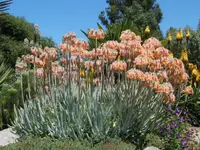
This species is monocarpic, meaning each rosette flowers only once, usually after many years, then dies. Offsets around the base survive and can mature to repeat the cycle with their own single flowering event.

Grow Healthy Plants with Botan Care

Keep your plants happy and healthy with plant identification, disease detection, and easy care guidance.

Botan plant care app — identify plants on mobile

Explore More Plants