Agave seemanniana Care

Agave seemanniana

About Agave seemanniana

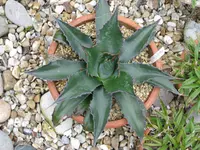
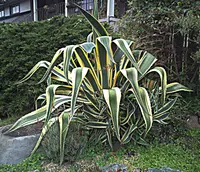
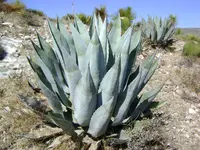
Agave seemanniana is a rosette-forming succulent from dry regions of Central America. It forms dense clumps of stiff, pointed leaves with a striking architectural shape. Leaf edges often have small teeth and a sharp tip, giving the plant a strongly structural look in rock gardens and xeriscapes. It usually stays more compact than some larger agave species, which can make it easier to place in smaller spaces. This species is adapted to sun, heat, and poor, well-drained soils, and it dislikes prolonged moisture around the roots. For anyone looking to care for Agave seemanniana, its slow growth and drought tolerance generally make it a low-maintenance choice when kept dry and bright.

Main Plant Requirements

Care Difficulty

Easy Care

Light Preference

Full Sun

Water Requirements

Low Water

Temperature Preference

Warm Climate

Hardiness Zone

9–11

Soil Texture

Sandy, Loamy, Rocky

Soil pH

Slightly acidic (6.5–7.0), Neutral (7.0)

Soil Drainage

Well-drained

Fertilization

Minimal (feed rarely)

Get Personalized Care Plan

Scan your plant to receive care tips personalized for your specific plant

Available on iOS and Android

How to Care for the Agave seemanniana

This sun-loving succulent thrives in strong light and is best suited to open, exposed sites.

  • Provide 6–8 hours of direct sun daily, with at least 3–4 hours of morning sun, which is less intense than late-afternoon exposure.
  • Allow light, shifting afternoon shade in very hot climates to reduce risk of leaf scorch and pale, sunburned patches on Agave seemanniana leaves.
  • In cooler seasons, maximize sun by avoiding shade from buildings or trees, since prolonged low light causes elongated, weak growth and dull leaf color.

This drought-adapted species prefers infrequent, deep watering and fast-drying soil.

  • Water only when the top 5–8 cm of soil are completely dry, then soak the root zone thoroughly and let excess drain away.
  • Use sharply drained, gritty soil or a rocky slope so water never pools; soggy soil leads to root rot, yellowing leaves, and a collapsed rosette.
  • In hot, dry months, drying time shortens; in cool seasons, water far less often, stopping if leaves feel soft from rot or appear wrinkled and curling from drought.

This species is adapted to warm, arid conditions and dislikes prolonged cold or damp.

  • Aim for 70–90°F (21–32°C) during active growth, which supports compact rosettes and steady leaf production.
  • Short dips to around 25–28°F (-4 to -2°C) may be survived if soil is dry, but repeated frost greatly increases risk of tissue damage.
  • In hot spells above 100°F (38°C), ensure excellent airflow and avoid reflected heat from walls or rock that can overheat the crown.

This species handles dry indoor air well, so humidity is rarely a concern.

This succulent requires a very fast-draining, mineral-rich substrate to prevent root rot.

  • Use a gritty mix such as 50–70% mineral material (pumice, coarse sand, crushed granite) with the rest a lean cactus potting base.
  • Aim for slightly acidic to neutral pH, around 6.0–7.0, which suits most tap water and commercial cactus mixes.
  • Increase aeration by avoiding fine peat-heavy mixes that compact and instead using chunky components that keep pores open.
  • Do not plant Agave seemanniana in dense, water-retentive garden soil or unamended all-purpose potting mix.

This species is well suited to container growing outdoors in sunny, dry sites.

  • Choose a heavy, wide-based pot that resists tipping as the rosette enlarges and becomes top-heavy.
  • Select a container only 2–4 in wider than the root mass to limit excess wet substrate and reduce rot risk.
  • Use unglazed clay when possible to boost evaporation from the sides and keep the root zone drier after rain.

Feeding is minimal for Agave seemanniana, but light nutrition supports steady growth in containers or poor soils.

  • Use a balanced, low-nitrogen succulent fertilizer or slow-release granules formulated for cacti and succulents.
  • Apply at half strength every 6–8 weeks during spring–summer active growth only.
  • Avoid feeding in fall–winter when growth slows or stops to prevent soft, weak tissue.
  • Water before and after applying fertilizer to limit root burn in this drought-adapted species.

Pruning needs are low and focus on hygiene and safety for Agave seemanniana.

  • Carry out most work in late spring–summer when plants are actively growing and wounds dry faster.
  • Remove dead, yellowing, pest-damaged, or badly torn leaves at the base with sharp bypass pruners or a clean knife.
  • Trim only outer leaves to maintain the natural rosette shape and avoid cutting the central growing point.
  • Wear thick gloves and eye protection to manage sharp spines and reduce injury risk during pruning.

Container-grown Agave seemanniana only needs infrequent repotting or transplanting due to slow to moderate growth.

  • Look for roots circling the pot, pushing through drainage holes, or noticeably slowed growth as cues to move up 1 pot size.
  • Plan repotting or garden transplanting in late spring, allowing warm conditions to support root recovery.
  • Repot every 3–5 years at most, using a gritty, fast-draining cactus mix and a pot with large drainage holes.
  • Handle the root ball gently, keep roots at the same depth, and withhold water for 3–5 days afterward to let wounds callus.

New plants of Agave seemanniana are most often produced from offsets rather than seeds in home settings.

  • Detach offsets in late spring–early summer once they have several leaves and a visible root base.
  • Use a clean, sharp knife to cut pups away, then let cut surfaces dry and callus for 3–7 days in shade.
  • Plant offsets in a dry, gritty cactus mix, burying only the roots and base, then water lightly after 3–5 days.
  • For seeds, provide warm temperatures (70–80°F), bright light, and consistently slightly moist but not wet substrate.

Winter care focuses on keeping Agave seemanniana dry and above damaging temperatures.

  • In-ground plants tolerate brief light frosts if soil drains very well, but prolonged freezes can damage leaves and cores.
  • Apply a thin, gritty mulch around the root zone to improve drainage rather than retain moisture.
  • For containers, move plants to a bright, cool, frost-free spot indoors or under a roof once temperatures approach freezing.

Care Tips

Rock mulch collar

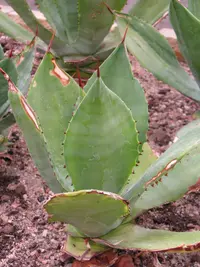
Place a 5–10 cm ring of coarse gravel or small rocks around the base to keep the crown dry, reduce soil splash on leaves, and discourage rot in wet periods.

Offset management

Remove pups with a clean, sharp knife once they reach about 1/3 the size of the parent to prevent crowding and to propagate new plants, dusting cuts with sulfur or cinnamon to reduce infection risk.

Safe repotting setup

When handling mature rosettes with sharp spines, wrap the plant in folded newspaper or a thick towel and use long tongs so you can repot or divide offsets without damaging the leaves or injuring your hands.

Winter rain protection

In cool, wet climates, use a simple rain shield such as a clear plastic roof panel or a cold frame lid over outdoor plants from late fall to early spring to keep excess water off the rosette and reduce cold-related rot.

Salt buildup control

In containers, leach the pot thoroughly every 2–3 months by watering until plenty of runoff drains out, which flushes fertilizer salts that can scorch the roots of this slow-growing species.

Common Pests and Diseases

Agave snout weevil

This pest is a large dark weevil whose larvae tunnel into the base of the rosette, causing collapse from the center outward. Symptoms include wilting, yellowing, and a foul odor from the crown as tissues rot.

Solution

Immediately remove and discard any infested plants, including the underground stem, to prevent spread. Avoid wounding the plant, keep the growing area clean of plant debris, and in regions with a known problem use a systemic insecticide labeled for weevils as a preventative soil drench in spring according to label directions.

Soft scale

These insects appear as small, dome-shaped bumps clustered along leaves and at the leaf bases, excreting sticky honeydew that can lead to sooty mold. This pest weakens plants over time and can stunt growth.

Solution

Wipe or gently scrub affected areas with a cloth or soft brush dipped in a dilute solution of mild soap and water, then rinse with plain water. For heavier infestations, repeat cleaning and consider applying a horticultural oil labeled for succulents, ensuring good coverage of leaf bases while avoiding treatment during intense sun or heat.

Agave mite

This pest is microscopic and hides in the tight leaf axils, causing corky streaks, twisted new growth, and distorted or stunted leaves. Symptoms include rough, scabby patches at the leaf bases and sometimes abnormal markings.

Solution

Remove and discard heavily distorted leaves and any rosettes showing advanced symptoms, as mites spread easily between plants. Isolate affected agaves, avoid overhead watering that splashes between plants, and source new plants from reputable nurseries that follow clean-stock practices, which is critical for long-term Agave seemanniana care.

Anthracnose

This disease causes sunken, tan to dark-brown spots on leaves, often with darker edges and sometimes a concentric ring pattern. Symptoms include leaf blighting that can progress from the tips and margins inward, especially in warm, humid, or rainy conditions.

Solution

Prune and discard affected leaves, cutting back into healthy tissue and disinfecting tools between cuts. Improve airflow, avoid wetting the leaves, and if the problem persists in outdoor plantings, use a copper-based or other labeled fungicide as a preventive spray during prolonged wet periods.

Leaf spot

This disease presents as small, round to irregular spots that may be pale, yellow, or brown with darker borders, scattered along the leaves. Symptoms include cosmetic damage that can expand and merge if conditions stay damp and crowded.

Solution

Remove spotted leaves if heavily affected, or trim off the worst areas, and space plants so leaves dry quickly after rain or watering. Water at the base in the morning, keep the rosette as dry as possible, and in persistent cases apply a broad-spectrum fungicide labeled for ornamentals, rotating products as directed to reduce resistance risk.

Interesting Facts

Narrow, grasslike rosette

This species forms a relatively small rosette with unusually narrow, linear leaves for an agave, which gives it a grasslike appearance compared with broader-leaved relatives. The leaf blades tend to be slender with fine marginal teeth, making it visually distinct among many Mexican agaves.

Limited native range

Agave seemanniana is native to a restricted area of western Mexico, recorded from states such as Sinaloa and Nayarit on or near the Pacific slope. Its natural populations occur in specific dry habitats, which is important to understand when considering how to take care of Agave seemanniana in cultivation.

Historical taxonomic confusion

This species has a history of being confused with or placed near similar narrow-leaved agaves, and past authors have sometimes treated it within broader species complexes. Modern taxonomic treatments separate it based on consistent leaf shape, size, and regional distribution traits rather than relying only on older herbarium material.

FAQs about Agave seemanniana

This species is monocarpic, meaning it flowers only once at the end of its life, often after several decades. Lack of flowering is normal in younger plants and does not usually indicate a care problem.

Grow Healthy Plants with Botan Care

Keep your plants happy and healthy with plant identification, disease detection, and easy care guidance.

Botan plant care app — identify plants on mobile

Explore More Plants