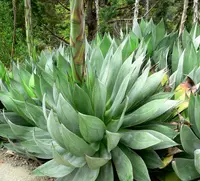
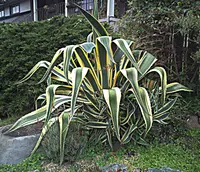
Rough agave Care (Agave scabra)

Rough agave

About Rough agave

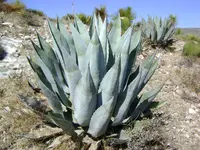
Rough agave (Agave scabra) is a rugged, slow-growing succulent native to arid regions of Texas and northern Mexico. It forms a dense rosette of stiff, gray-green leaves with a coarse, sandpapery surface and sharp spines along the edges. Mature plants eventually produce a tall flower stalk once, then die after setting seed. This species is well adapted to strong sun, heat, and drought, which makes it suitable for dry gardens and low-maintenance landscapes. Understanding how to care for Rough agave is important, as it dislikes heavy, wet soils and does best in sharply drained, mineral-rich substrates.

Main Plant Requirements

Care Difficulty

Easy Care

Light Preference

Full Sun

Water Requirements

Low Water

Temperature Preference

Warm Climate

Hardiness Zone

8–11

Soil Texture

Sandy, Loamy, Rocky

Soil pH

Slightly acidic (6.5–7.0), Slightly alkaline (7.0–7.5)

Soil Drainage

Well-drained

Fertilization

Minimal (feed rarely)

Get Personalized Care Plan

Scan your plant to receive care tips personalized for your specific plant

Available on iOS and Android

How to Care for the Rough agave

This species needs strong light and thrives in open, exposed sites similar to its native desert habitat.

  • Provide 6–10 hours of direct sun daily; full sun is ideal, especially morning to early afternoon exposure.
  • It tolerates light afternoon shade in very hot regions; Rough agave grown in too much shade stretches, pales, and becomes weaker.
  • In summer, introduce plants from shade to full sun over 7–10 days to prevent leaf scorch; in winter, even low-angle sun through thin cloud is usually sufficient.

Agave scabra is highly drought-tolerant and prefers infrequent, deep watering in fast-draining soil.

  • Water only when the top 5–8 cm of soil are completely dry; in hot, dry weather this may be every 10–21 days, less often in cool seasons.
  • Use gritty, sharply draining soil on a slope or in a raised bed so water never pools around the crown or roots.
  • Watch for overwatering signs like yellowing, soft leaves and a sulfur smell from the soil; underwatered plants wrinkle slightly but stay firm.

This desert agave prefers warm, dry conditions and tolerates significant heat once established.

  • Best growth occurs at 70–90°F (21–32°C) with low to moderate humidity and excellent air movement.
  • Mature plants can survive brief drops to about 15–20°F (-9 to -6°C) if kept dry, but repeated hard freezes increase rot risk.
  • In extreme heat above 100°F (38°C), protect young plants with light afternoon shade and avoid overhead watering during the hottest part of the day.

Humidity is rarely critical for Agave scabra if watering is controlled carefully.

Soil for Agave scabra must be extremely fast-draining and mineral-dominated to prevent root and crown rot.

  • Use a gritty, sandy mix with large particle size; aim for at least 60–70% mineral content such as pumice, coarse sand, or small gravel.
  • Ensure very rapid drainage; water should pass through within seconds and the mix should dry fully within a few days in warm conditions.
  • Keep pH around 6.0–7.5; avoid strongly acidic or saline soils that can damage roots and slow growth.
  • Improve aeration by avoiding fine peat-heavy mixes and instead blending cactus mix with extra perlite or pumice to create air gaps.

This species is suitable for container growing when the pot is chosen to handle its weight and sharp rosette form.

  • Select a low, wide container to lower the center of gravity and reduce tipping as the rosette enlarges and becomes heavy.
  • Choose unglazed clay if possible, since its porous walls help moisture evaporate faster and keep the root zone dry between waterings.
  • Place the pot where the rigid leaves will not overhang walkways, reducing accidental contact with spines and protecting the container from being knocked.

This desert succulent needs only light feeding, as it is adapted to lean, mineral soils.

  • Use a low-dose, balanced NPK succulent fertilizer or a very thin layer of compost on the soil surface.
  • Feed once at the start of the warm growing season, then again mid-season at most for caring for Rough agave.
  • Dilute liquid fertilizer to 25–50% strength to avoid root burn and excessive, weak growth.
  • Stop feeding in fall and winter, when growth slows and the plant is semi-dormant.

Pruning Agave scabra is minimal and focuses on hygiene and safety rather than shaping.

  • Carry out pruning in late spring or summer, when the plant is actively growing and wounds seal faster.
  • Remove only dead, damaged, or heavily spotted leaves by cutting them close to the base with clean, sharp pruners.
  • Trim spent flower stalks at the base after they dry, since the flowering rosette will naturally decline.
  • Avoid removing healthy leaves, as this weakens the rosette and can unbalance its structural form.

This slow-growing agave rarely needs frequent repotting and dislikes root disturbance.

  • Repot or transplant every 4–6 years, or when roots circle the pot, emerge from drainage holes, or growth stalls.
  • Choose late spring or early summer so Agave scabra can re-establish quickly in warm, bright conditions.
  • Use a shallow, heavy container with very gritty, fast-draining mix to limit movement and prevent waterlogging.
  • Handle the root ball gently, keep existing soil intact, and water lightly once, then allow to dry between waterings.

Agave scabra is usually propagated vegetatively, as seed is slow and less predictable.

  • Detach basal offsets in late spring or early summer, once they are at least 5–8 cm across with visible roots.
  • Use thick gloves and a clean, sharp knife to separate the pup from the main plant at the narrowest point.
  • Allow cut surfaces to dry and callus for 3–7 days in shade before potting into a gritty, barely moist mix.
  • Keep new divisions in bright, indirect light with minimal water until new root growth and leaf firmness appear.

This agave is relatively cold tolerant but benefits from basic winter protection in colder regions.

  • Mature plants tolerate brief drops near 15–20°F if soil stays very well drained and dry.
  • In-ground plants at the edge of hardiness need a 5–8 cm layer of gravel mulch around the crown to shed water.
  • Cover rosettes during freezing rain or wet snow with a breathable cloche to keep leaf bases dry.
  • Move container plants indoors to a bright, cool, dry area before hard frost, and reduce watering markedly.

Care Tips

Mineral mulch ring

Place a 5–10 cm ring of coarse gravel or small rocks around the base to keep leaves dry at the crown, discourage rot, and stabilize the plant in windy sites.

Protective handling gear

Use thick gloves, long sleeves, and eye protection when planting, repotting, or removing offsets, since the stiff, toothed leaves and sharp terminal spines can easily puncture skin and irritate eyes.

Offset management

Remove pups with a clean, sharp knife once they reach 5–10 cm across, then allow the cut surfaces to dry and callus for 3–7 days before replanting in a dry, gritty mix.

Winter rain control

In regions with cool, wet winters, place container plants under a roof overhang or use a simple clear rain cover so the rosette stays mostly dry while still receiving plenty of light.

Check for heaving

After heavy rain or frost-thaw cycles, inspect outdoor plants to ensure the root ball has not lifted, then gently firm the surrounding soil or gravel to keep the plant anchored and upright when growing Rough agave.

Common Pests and Diseases

Agave snout weevil

This pest bores into the base of the rosette, causing internal damage that leads to sudden collapse of leaves and a foul smell from rotting tissue. Symptoms include yellowing, wilting, and loosened plants that can be pulled from the soil easily.

Solution

Remove and destroy any infested plants, including the main root, to prevent larvae completing their life cycle, and discard soil immediately around the crown. For high-value plants, use a systemic insecticide labeled for ornamental agaves in early spring as a preventative, keep plants on the dry side, and avoid mechanical injuries at the base that attract adults.

Agave mite

These insects are microscopic eriophyid mites that hide in the tight leaf bases and cause distorted new growth, scarring, and sometimes wet or corky patches near the crown. Symptoms include slow deformation that often resembles fungal or bacterial rot at first glance.

Solution

Remove and destroy heavily distorted plants or rosettes, since mites are difficult to reach once deep in the crown, and bag debris before disposal. For valuable specimens, use a miticide specifically labeled for eriophyid mites, isolate suspect plants, and avoid overhead watering that spreads contaminated sap between plants.

Scale insects

These insects attach to leaves and stems as small, hard or cottony bumps, extracting sap and weakening the plant. Symptoms include yellowing, reduced vigor, sticky honeydew, and sometimes sooty mold growth on affected areas.

Solution

Manually remove scales with a soft brush or cloth dipped in water with a little mild soap, then rinse the plant thoroughly and repeat weekly until gone. For persistent infestations, apply a horticultural oil or insecticidal soap labeled for succulents, taking care to treat leaf bases and undersides where scale often hides.

Bacterial soft rot

This disease causes water-soaked, mushy areas at the crown or leaf bases that quickly turn brown or black, often with a foul odor. Symptoms include rapid collapse of individual leaves or the whole rosette, especially after injury or insect damage.

Solution

Cut out all affected soft tissue with a sterile knife, extending into firm, healthy tissue, then allow the wound to dry in a warm, airy place with no watering. Discard severely affected plants, sterilize tools after use, and reduce moisture around the crown by using gritty, fast-draining soil and avoiding water collecting in the rosette, which is critical for Agave scabra care instructions.

Anthracnose leaf spot

This disease produces small sunken spots on leaves that expand into tan or dark lesions with purple to brown margins, often starting on older foliage. Symptoms include coalescing spots that weaken leaves, especially in warm, humid, or poorly ventilated conditions.

Solution

Remove and discard affected leaves to reduce spore spread, and prune nearby plants to improve airflow and faster drying of the rosettes. Avoid overhead watering, keep the leaf surface as dry as possible, and in severe or recurring cases use a fungicide labeled for anthracnose on ornamentals, following all label directions.

Interesting Facts

Distinctively rough leaves

Agave scabra is named for its noticeably rough, sandpapery leaf surface, caused by dense microscopic projections on the leaf cuticle that likely help reduce water loss and herbivory.

Narrow desert range

This species is native to arid regions of northeastern Mexico and adjacent south Texas, where it grows on rocky slopes and limestone outcrops rather than across a broad desert range like some other agaves.

Tall, branched flower stalk

Mature plants send up a single, branched flowering stalk that can reach several meters, bearing clusters of yellowish flowers that attract bats and insects before the rosette dies after seed production.

Botan icon

Did you know?

Agave scabra has been documented as part of traditional agave use in northeastern Mexico, where local communities historically utilized robust agaves like this species for fiber and as a resource for fermented beverages, integrating it into both daily life and regional cultural practices.

FAQs about Rough agave

Brown leaf tips or patches usually result from sunburn, cold damage, or prolonged drought. Consistent soggy soil can also cause browning from root rot. Remove damaged leaves carefully and correct the underlying stress rather than increasing water randomly.

Grow Healthy Plants with Botan Care

Keep your plants happy and healthy with plant identification, disease detection, and easy care guidance.

Botan plant care app — identify plants on mobile

Explore More Plants